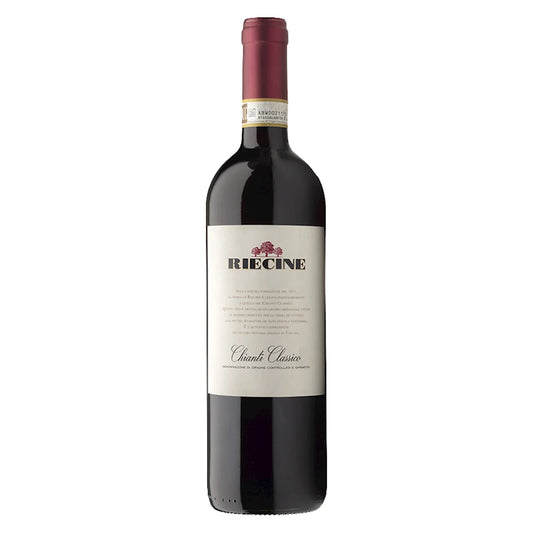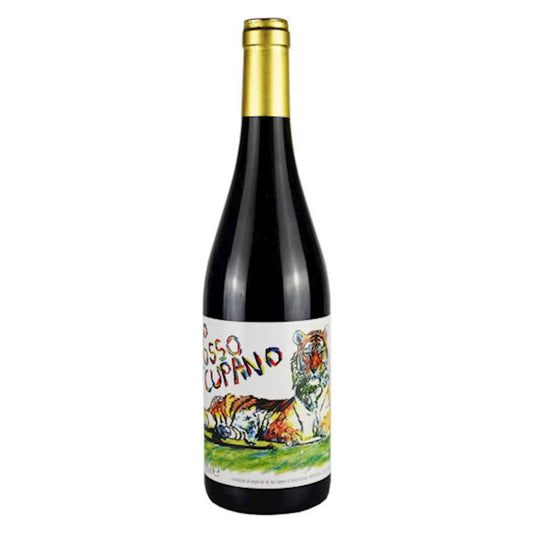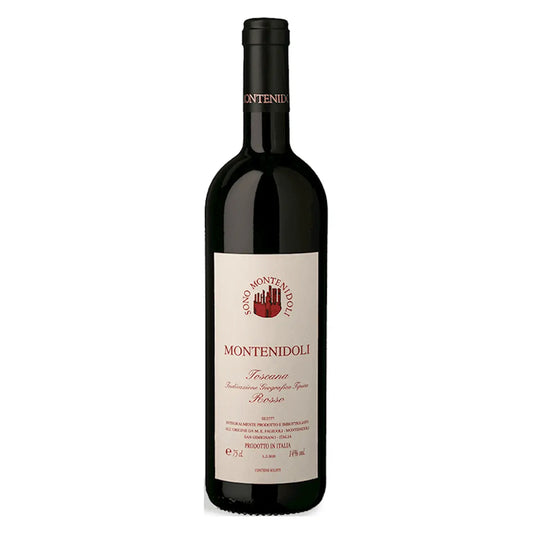

It is probably one of the most common questions we encounter when the conversation turns to organics in the glass: can you actually taste the difference? It is a good question, and it deserves an honest answer rather than a marketing story.
This is the sixth part of our series on organic and biodynamic wine. We have already looked at what the various methods cover, and here we turn our attention to what really matters to most of us: the taste. Let us take a sober look at what the method in the vineyard and in the cellar can and cannot change.
What you will learn
- What the organic method can and cannot influence in the taste
- What role terroir and cellar practice play in the finished result
- How to take a sober view of claims about taste and organics
The question of taste
Let us establish one thing right away: there is no particular taste called organic. An organic growing certification tells you something about how the grapes have been grown, not how the wine is going to taste. Two organic wines from different regions, made from different grapes, can taste vastly different, exactly as is the case with conventional wines.
The taste in a glass of wine arises as an interplay between many things. The grape variety sets the framework, the climate and the soil shape the fruit, and the fermentation and ageing give the wine its final expression. Aroma and taste stem from a complicated interplay of volatile compounds, where even small differences in the balance can give noticeably different impressions. Organics is a framework around the growing, not a shortcut to a particular aroma profile.
What the method can influence
Although there is no organic taste, that is not the same as saying the method is without significance. It can indeed influence the taste indirectly, and it is worth understanding how.
When a vineyard is grown organically, you typically put more work into the soil and into the plant itself. Healthier soil and a vineyard in better balance can give grapes that ripen more evenly. This is relevant because uneven ripening dilutes the optimal fruit quality with less ripe fruit, and even ripening therefore gives a cleaner starting point for the wine.
Another factor is the yield. Many organic producers work with more concentrated grapes, and concentration is often noticeable in the glass.
The chemistry of the fruit sets the framework
The compounds that give the wine aroma and taste reside in the grape. Many of them exist as bound, odourless precursors that are only released during fermentation. Grapes grown under cooler conditions may, for example, have a more pronounced green, herbaceous character, while this character diminishes as the grapes ripen. The point is that it is the state of the grape at harvest that lays the foundation, and here the growing method can play a role. But it is an indirect effect, not a guarantee.
The role of terroir and the cellar
If we want to understand why a wine tastes the way it does, we cannot get around two words: terroir and cellar practice.
Terroir covers the interplay between soil, climate and location. The climate is a key player. Warmer regions typically give grapes with more sugar, which becomes more alcohol, while cooler regions often retain more acidity. Table wines usually lie somewhere between 11 and 14 percent alcohol, and the alcohol in particular is not just a question of strength. It functions as a co-solvent together with the water and helps draw flavour compounds out of the grape, just as the acidity contributes to the wine's freshness and longevity. All of this is shaped by terroir and is largely independent of whether the vineyard is certified organic or not.
Then comes the cellar, where the winemaker makes a long series of choices that each leave their mark in the glass. The fermentation temperature, the choice of yeast and the contact with the lees all influence the volatile compounds that build up the wine's aroma. Ageing in oak barrels also adds its own compounds from the wood and can give notes we often associate with the cask. A cask does not have to mean many years, it can also simply be a few months that round off the wine.
The point is this: a large part of what you experience as the wine's taste is determined by terroir and by the choices made in the cellar. Organics is first and foremost about how the grapes are grown, and only partly overlaps with the factors that shape the taste most directly.
A sober view
So how do you relate to the claim that organic wine tastes better or different? With openness and a healthy dose of sobriety.
It is true that careful work in the vineyard can give better grapes, and that better grapes can give better wine. It is also true that a winemaker who chooses organics is often one who thinks carefully about the whole process, and that care can be noticeable. But that is not the same as saying that organics in itself produces a particular or superior taste.
Taste assessment is moreover subjective. Professionals use methods such as descriptive analysis and preference tests precisely because taste cannot be reduced to a single answer. Your own experience is fundamentally the most relevant yardstick you have. So do not let a mark on the label decide whether you think a wine is good. Taste it, notice how it feels, and form your own opinion.
In short
- There is no particular taste called organic. The mark tells you about growing, not about aroma.
- The method can influence the taste indirectly through healthier soil, more even ripening and often more concentrated grapes.
- Terroir (soil and climate) and the choices in the cellar are the factors that shape the taste most directly.
- Take a sober view of claims. Care in the vineyard can be noticeable, but organics is no guarantee of a particular taste.
Frequently asked questions
Can I taste the difference between an organic and a conventional wine?
Not necessarily. You will be able to taste the difference between grapes, regions and cellar styles, but the organic aspect itself does not in itself give a recognisable taste. Two organic wines can taste just as different from each other as an organic and a conventional one.
Does the wine become better by being organic?
Not automatically. Careful work in the vineyard can give a better starting point, but the quality in the glass depends just as much on terroir and on the craftsmanship in the cellar. Quality and organics often go hand in hand, but one does not necessarily follow from the other.
Ready for the next step?
Now that the taste is not decided by a mark, what do the marks actually tell us? We dive into that in the next part, Marks and certifications, where we help you understand what the various logos and schemes really cover.
And remember the most important thing: the best pairing is the wine you like together with the food you are fond of. By all means use your new knowledge as a compass, but let your own taste lead the way. Stop by our selection, taste your way through, and find the bottles that speak to you in particular.