Noble rot
Noble rot is a very particular fungal infection of ripe grapes, caused by the fungus Botrytis cinerea. Under the right weather conditions, where damp mornings give way to dry, sunny and windy days, the fungus attacks the grapes without destroying them. Instead it works its way in through the grape's skin and causes the berry to lose water and shrivel up. The result is that sugar, acidity, glycerol and aromatic compounds become strongly concentrated in the remaining juice. It is precisely this concentration that makes noble rot so prized among winemakers, because the same fungus under constantly wet conditions instead produces the unwanted grey rot, which simply ruins the harvest.
For you as a drinker, noble rot means some of the world's great sweet white wines. The wines are rich and honeyed with aromas of dried apricot, fig and saffron, and the glycerol gives a soft, full mouthfeel. Classic examples are Sauternes in Bordeaux, made from grapes including Sémillon, as well as the German Beerenauslese and Hungarian Tokaji Aszú. The sugar content of the must can become very high, and the wines range from the lighter German styles with low alcohol to the fuller French ones.
A widespread misunderstanding is that all rot on grapes is bad. Noble rot is the only kind of rot that winemakers welcome, but it requires a delicate balance in the weather, and that is why these wines are rare and labour-intensive to make.
Explore our Dessert wine
-
 Organic
 French agriculture
FR-BIO-01
French agriculture
FR-BIO-01
Domaine Arnaud Baillot Liqueur d'Abricot 0,5L
Regular price €42,95 EURRegular priceUnit price per -
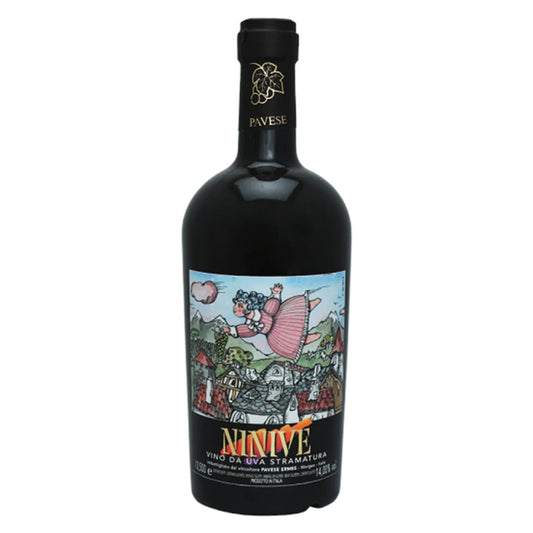
Ermes Pavese Ninive Vino da Uve Stramature 0.5L
Regular price €59,95 EURRegular priceUnit price per -
Mastrojanni Botrys Moscadello di Montalcino 2018
Regular price €45,95 EURRegular priceUnit price per