
-
 Organic
 French agriculture
FR-BIO-01
French agriculture
FR-BIO-01
Domaine Arnaud Baillot Liqueur d'Abricot 0,5L
Regular price €42,95 EURRegular priceUnit price per -
Ermes Pavese Ninive Vino da Uve Stramature 0.5L
Regular price €59,95 EURRegular priceUnit price per -
Mastrojanni Botrys Moscadello di Montalcino 2018
Regular price €45,95 EURRegular priceUnit price per -
 Organic
Italian agriculture
IT-BIO-006
Organic
Italian agriculture
IT-BIO-006
Mastrojanni Botrys Moscadello di Montalcino 2019
Regular price €45,95 EURRegular priceUnit price per -
Weingut Stigler Ihringen Winklerberg Riesling Kabinett VDP. Erste Lage 2022
Regular price €23,95 EURRegular priceUnit price per

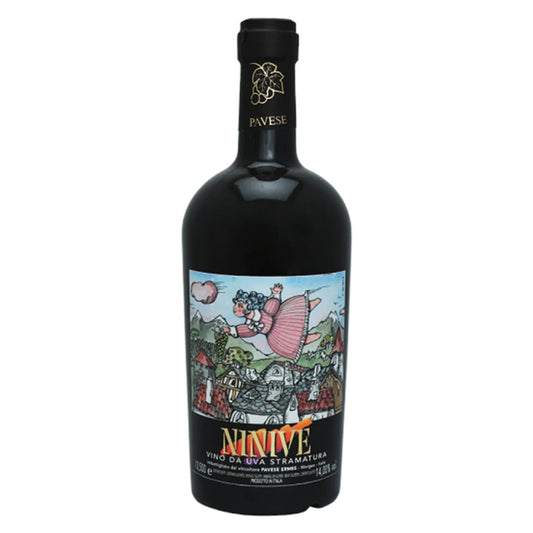


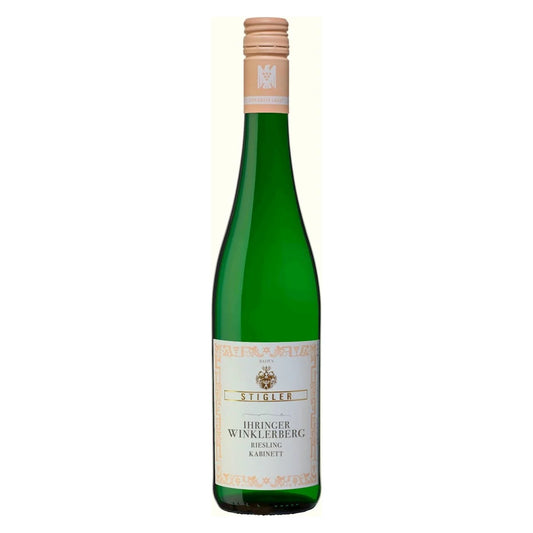
Dessert wine is the collective term for the sweet wines where the sugar in the grapes is concentrated, so the glass becomes full-bodied and sweet with a fresh acidity as a counterpoint. These are wines for slow moments, and they are typically served in smaller glasses, where the sweetness is allowed to unfold without becoming too much. There are several ways to get there: late harvest, where the grapes hang longer on the vine and develop more sugar, noble rot (Botrytis cinerea), which dries out the grapes and is known from, among other places, Sauternes, and the passito method, where the grapes are dried after harvest so the water evaporates. Added to this are ice wines made from grapes that freeze on the vine and are harvested frozen, and the fortified sweet wines such as port and sherry, which have grape spirit added.
With us, the majority of dessert wines come from Italy, where the classic passito tradition is seen, for example, in Vin Santo from Toscana. We also carry sweet wines from Valle d'Aosta in the Italian alpine valleys, an area known for fresh and clean expressions. If you are looking for something in the same style, you can take a look at Prié Blanc, a grape variety with roots precisely in Valle d'Aosta.
From France we source, among other things, sweet wines from Bourgogne, and from Germany we carry wines from Ihringen in Baden, where the climate provides good conditions for ripe, sweet grapes. Across the countries you will thus find several of the methods that define the category, from late harvest and noble rot to dried grapes.
Whether you are looking for a sweet conclusion to the meal or a wine that can stand alone as a small dessert, dessert wine is a field where the balance between sugar and acidity determines everything. A broad selection of styles makes it easy to find a bottle that suits the occasion, and if you want to delve into the lighter sweet alternatives, Moscato is a natural place to continue.