Ice wine
Ice wine (in German Eiswein) is a sweet wine made from grapes that have frozen on the vine and are harvested and pressed while they are still frozen solid. When the grapes freeze, the water in the berry turns into ice crystals, and only the concentrated juice with sugar and acidity is pressed out. The result is a small amount of very sweet must that yields a wine with dense sweetness and, at the same time, a fresh, lively acidity. The rules typically require that the grapes have frozen at around minus seven degrees or colder before they may be harvested.
It is precisely the balance between sweetness and acidity that makes ice wine interesting for you as a taster. The sweetness never feels cloying, because the acidity keeps the wine fresh and gives it a long finish. You often encounter aromas of ripe fruit, citrus and honey, and the wine is served as a dessert wine in a small glass, ideally well chilled.
A common misunderstanding is that ice wine is the same as most other sweet wines. The difference lies in the method: where passito wine is made from dried grapes and Sauternes from grapes affected by noble rot, ice wine achieves its concentration purely through frost. The grapes must be healthy, and the harvest often takes place early in the morning in the middle of winter, which makes ice wine a demanding and relatively rare type of wine.
Explore our Dessert wine
-
 Organic
 French agriculture
FR-BIO-01
French agriculture
FR-BIO-01
Domaine Arnaud Baillot Liqueur d'Abricot 0,5L
Regular price €42,95 EURRegular priceUnit price per -
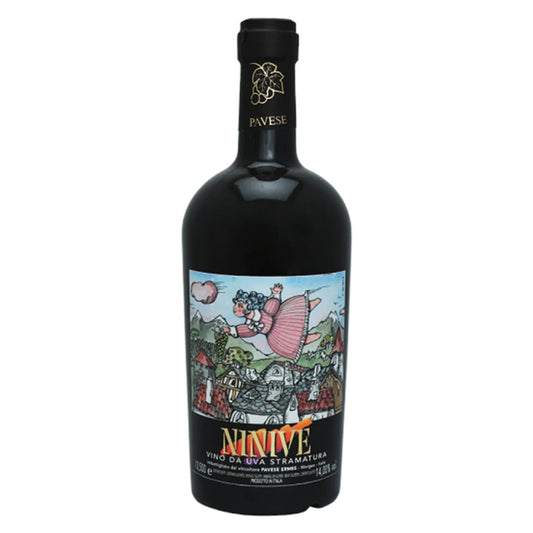
Ermes Pavese Ninive Vino da Uve Stramature 0.5L
Regular price €59,95 EURRegular priceUnit price per -
Mastrojanni Botrys Moscadello di Montalcino 2018
Regular price €45,95 EURRegular priceUnit price per