Sparkling wine
Sparkling wine is quite simply wine with bubbles. The bubbles consist of carbon dioxide, a gas that forms naturally when yeast turns sugar into alcohol. By allowing an extra, small fermentation to take place in a sealed container, the carbon dioxide is trapped in the wine, and when you open the bottle it escapes as the familiar play of bubbles. It is this second fermentation that sets sparkling wine apart from still wine without bubbles.
The method behind the bubbles matters a great deal for what you taste. With the traditional method (also called méthode champenoise or metodo classico) the second fermentation takes place inside the bottle itself, where the wine is allowed to rest for a long time on the lees, that is, the spent yeast residue. This gives fine, persistent bubbles and a character of bread, brioche and toasted nuts. With the tank method (Charmat) the fermentation happens in a large steel tank, which preserves a fresh, fruity and floral style. Champagne comes exclusively from Champagne in France and is made by the traditional method, while Crémant is French sparkling wine made the same way outside Champagne. Cava from Spain also follows the traditional method, while Prosecco from Italy is made in a tank from the Glera grape.
A widespread misunderstanding is that all sparkling wine is Champagne. Champagne is just one particular region. Whatever the style, you will enjoy it best well chilled.
Explore our Sparkling wine
-
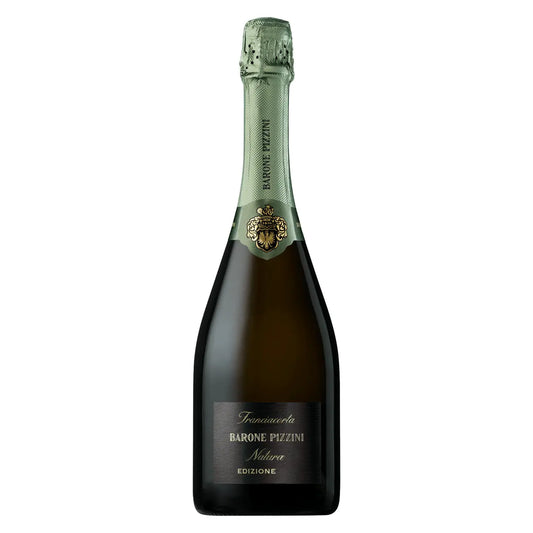
Barone Pizzini Naturae Franciacorta DOCG 2015
Regular price €37,95 EURRegular priceUnit price per -
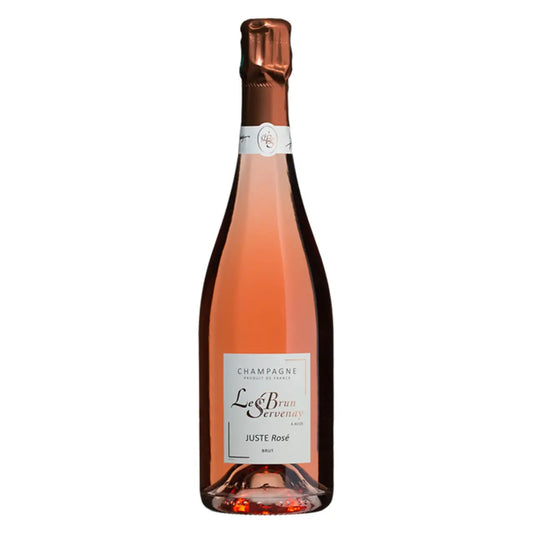
Le Brun Servenay Champagne Cuvée Rosé Brut
Regular price €49,95 EURRegular priceUnit price per -
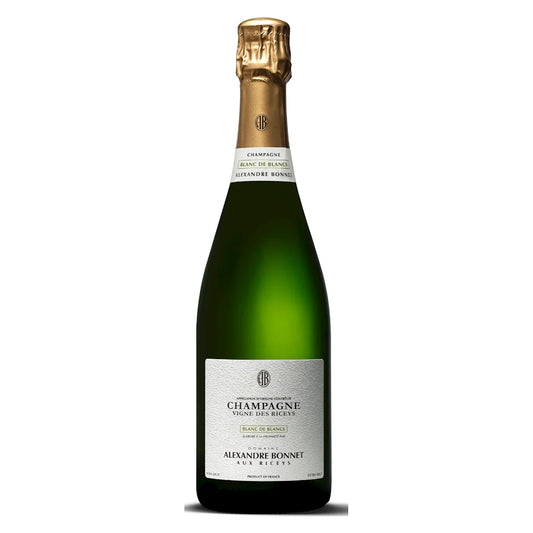
Domaine Alexandre Bonnet Champagne Blanc de Blanc
Regular price €69,95 EURRegular priceUnit price per