
-
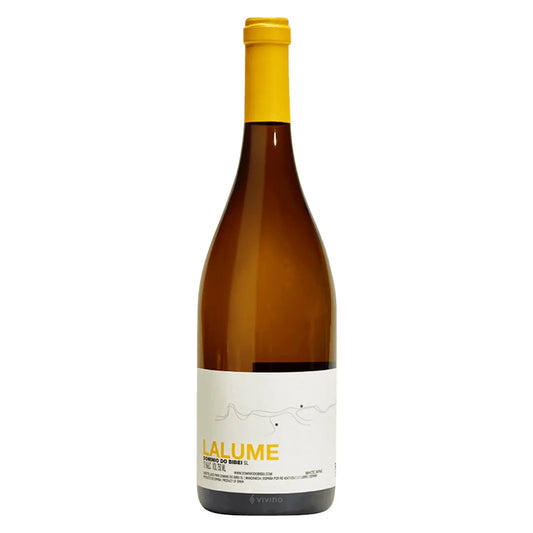 92 POINTS
Dominio do Bibei LALUME 2022
Regular price €25,95 EURRegular priceUnit price per -
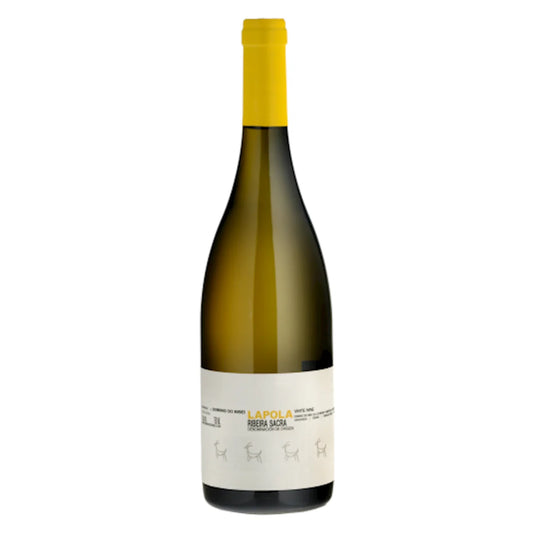 93 POINTS
Dominio do Bibei LAPOLA 2021
Regular price €32,95 EURRegular priceUnit price per -
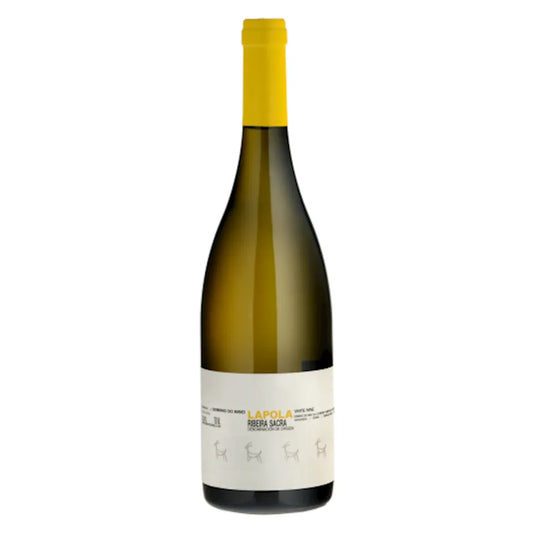 92 POINTS
Dominio do Bibei LAPOLA 2022
Regular price €34,95 EURRegular priceUnit price per
Albariño is a white grape variety with roots in Galicia in north-western Spain, where it is the primary white grape in Rías Baixas and makes up a full 96 percent of the region's production. It is also widely grown across the rest of Galicia, including the Salnés valley, in Monterrei on high-altitude vineyards and in Ribeira Sacra. The grape is also known under the name Alvarinho, and beyond Spain it is found in Portugal, southern France, Uruguay, California and New Zealand.
At Copenhagen Wine we primarily carry Albariño from Spain, and our Galician selection has a clear centre of gravity in Ribeira Sacra. This gives you the chance to encounter the grape from one of its Galician home areas, where most vineyards lie in a maritime, Atlantic-influenced climate. Here you still find ungrafted, old vines on granite soil, and a few low-yield plots hold vines that may be up to 300 years old.
Albariño is a versatile grape to work with in the cellar. It can be fermented in everything from steel tanks and fibreglass to large, old wooden casks, French and American oak as well as amphorae of white clay, and some growers use natural yeast cultures and whole-cluster fermentation. Traditional methods can include skin contact and foot treading, and the wines are often laid on fine lees in large oak foudres or rest for an extended time in steel tank. Although many know Albariño as a fresh white wine, examples aged for 3 to 6 years show a layered complexity and a silky texture.
The grape does not appear only as a pure Albariño. In regional wines it is often blended with Treixadura and Loureiro, and in Condado de Tea it is readily combined with Treixadura for a fuller style. It also goes into Ribeiro blends and is a permitted variety in the sweet Ribeiro Tostado. The rules allow both pure Albariño wines and a share of at least 70 percent in certain subzones. Finally, traditional mousserende vin is made from Albariño as well as late-harvest versions, which underlines how many expressions this Galician classic can hold.