
-
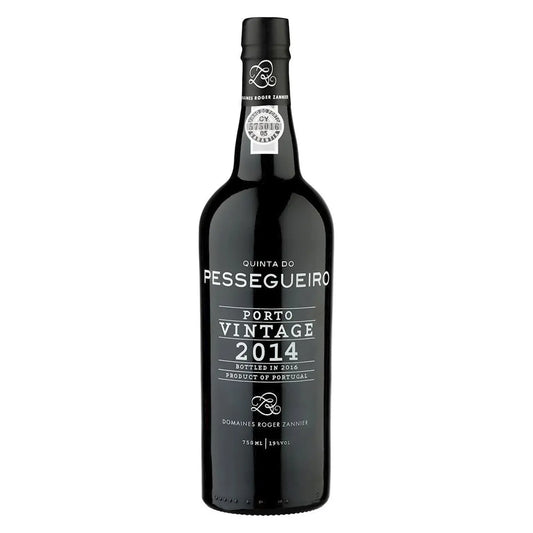
Quinta do Pessegueiro Porto DOC Vintage 2014
Regular price €67,95 EURRegular priceUnit price per -
Quinta do Pessegueiro Porto DOC Vintage 2016
Regular price €67,95 EURRegular priceUnit price per -
Quinta do Pessegueiro Porto DOC Vintage 2018
Regular price €67,95 EURRegular priceUnit price per


The area around the Duero river belongs to Castilla y León, an autonomous region in northern Spain that stretches across the northern half of the central Iberian plateau. It is Spain's largest wine region and one of the largest in Europe, with a continental climate profile of cold winters and warm summers. The vineyards lie partly on fertile riverbanks, partly on the windy páramos (high plains), and the interplay between river, altitude and climate gives the wines their character.
Winegrowing here dates back to Roman times, and in the Middle Ages it was the Cistercian monks who raised the quality. In more recent times the region has seen a marked revival. Red wine is the dominant style, and among the traditional grapes you find Tempranillo and Garnacha, while international varieties such as Petit Verdot, Syrah, Viognier and Touriga Nacional are also grown. The wines range from fresh, young types to age-worthy reservas.
Castilla y León is home to a number of well-known denominaciones de origen, including Ribera del Duero, Toro, Cigales, Arlanza and Arribes along the Duero, as well as Bierzo and Tierra de León. Rueda is the region's primary zone for white wine. Historically white wines were rare, and rosados were long the most important alternative to the red wines, until Rueda truly came to the fore. Since 2000 the designation Vino de la Tierra de Castilla y León has also made room for winemaking with fewer restrictions than the DO rules.
The region is just as renowned for its cuisine as for its wine. White asparagus, peppers, artichokes and potatoes are grown here, and in autumn the mushroom harvest takes centre stage. In Valdevimbre, old underground cuevas have become cosy restaurants where the area's wines and produce come together.
At Copenhagen Wine we carry wines from this area around the Duero. If you want to explore related grapes from the neighbour to the west, you can dive into Touriga Nacional and Touriga Franca.