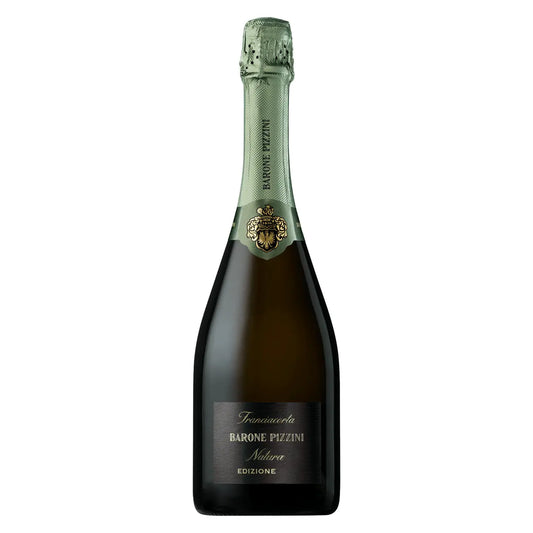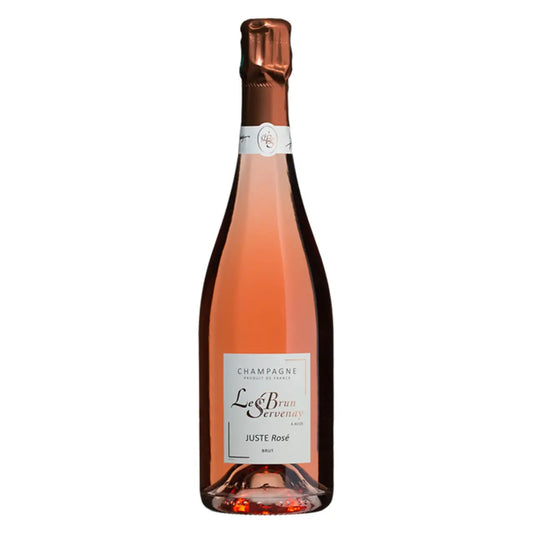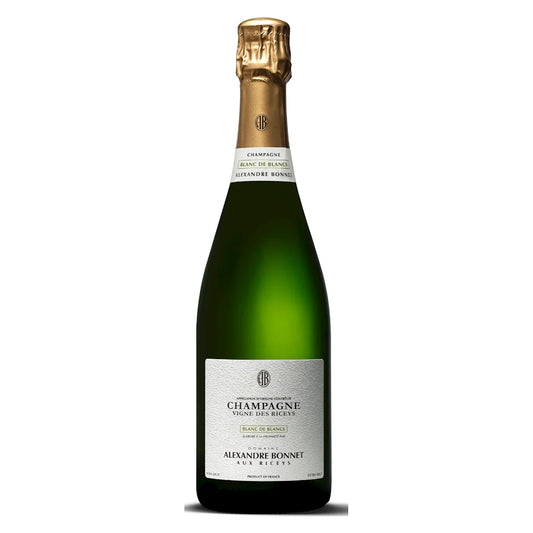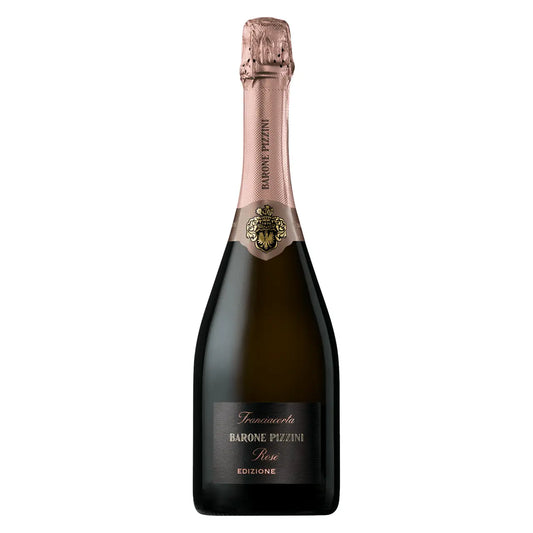

Welcome to Bubbles for beginners, a little series in nine parts where we gently take you by the hand through everything that makes mousserende vin something special. Here in part 1 we start right from the beginning: What types of bubbles actually exist, and what sets them apart?
You need no prior knowledge. Think of it as a cosy little tour where we name the major families, so that afterwards you are left with a bit more courage and desire to experiment on your own.
What you will learn
- The major types of mousserende vin and what they are called
- What broadly distinguishes them in style and taste
- Where you might happily begin your own tasting journey
What mousserende vin is
Mousserende vin is quite simply wine with bubbles. The bubbles are carbon dioxide, that is, the same kind of gas that makes sparkling water fizzy, but here they arise naturally during the wine's making rather than being pumped in.
The important thing for you as a beginner is the sensation in the glass. The bubbles give the wine a fresh, lightly tingling expression on the tongue and a liveliness that still wine does not have. Some bubbles are fine and discreet like a soft whisper, others are more energetic and lively. Both are right, it is simply a matter of style.
The major types
Let us put names to the most well-known families. You will come across them again and again, and being able to tell them apart is a good start.
- Champagne comes exclusively from the Champagne region in France. It is made above all from the grapes Chardonnay, Pinot Noir and Pinot Meunier and is the most famous of them all.
- Crémant is also French and is made in the same thorough way as champagne, but outside the Champagne region.
- Cava comes from Spain and is typically made from the grapes Macabeo, Parellada and Xarel-lo.
- Prosecco comes from Italy and is made from the grape Glera. It is known for a fresh and fruity style.
Those are the four names worth keeping in your back pocket. Once you have them in place, you are already well equipped to read a shelf menu with calm in your belly.
What distinguishes them
Even though all these wines have bubbles, they do not taste the same. The biggest difference lies in how the bubbles come to be.
With the so-called traditional method, the second fermentation takes place inside the bottle itself. The wine is allowed to rest on its lees (the yeast remnants that are left behind), and this gives fine, persistent bubbles and lovely notes that can be reminiscent of freshly baked bread and brioche. Champagne, crémant and cava are all made this way. Imagine the difference between a quick bread and one that has been allowed to rise for a long time. Time gives depth.
With the tank method, the second fermentation takes place in a large tank instead of in the bottle. This gives a more fresh and fruity style, where the grape's own freshness is allowed to come clearly to the fore. Prosecco is typically made this way.
So when you taste a fruity, light prosecco against a champagne with bready notes, you are in fact tasting two different ways of making bubbles. Neither one nor the other is finer, they are simply good for their own respective moods.
A little rule of thumb
Think of it like this: The tank method places emphasis on fruit and freshness. The traditional method adds an extra layer of bready, more complex notes on top. It is a nice little shortcut while you find your own favourites.
Where should you begin?
The short answer is: Begin where your curiosity is greatest. But if you want a concrete route, then try tasting a fruity type against one made by the traditional method, ideally on the same occasion. Then you feel the difference in your own mouth, and it sticks better than any description.
Serve them well chilled. Cold keeps the bubbles lively and the taste fresh, and it makes the experience more inviting from the very first sip.
Remember that there is no wrong place to start. You are not looking for the right bottle, but for the one you like. The best bubble is the one you feel like drinking.
In brief
- Mousserende vin is wine with bubbles that arise naturally during the making.
- The major names are champagne, crémant, cava and prosecco.
- Champagne, crémant and cava are made by the traditional method with fermentation in the bottle, which gives fine bubbles and bready notes.
- Prosecco is made by the tank method, which gives a fresh and fruity style.
- Always serve mousserende vin well chilled.
Frequently asked questions
Is all mousserende vin the same as champagne?
No. Champagne is one particular type that comes only from the Champagne region in France. Cava, prosecco and crémant are other kinds of mousserende vin, each with its own origin and style. Champagne is therefore mousserende vin, but not all mousserende vin is champagne.
Why do some bubbles taste more of bread than others?
It is down to the method. When the wine ferments and rests inside the bottle on its lees, notes arise that can be reminiscent of freshly baked bread and brioche. Wines made by the tank method instead take on a more fresh and fruity expression.
Ready for the next step?
Now you know the major families and have a sense of what sets them apart. In the next part, How the bubbles arise, we take a closer look at the magic itself: How do bubbles even get into a bottle of wine?
Until then, you are welcome to look around the selection and let your curiosity lead the way. And remember the little guiding line that applies all the way through: The best bubble for a given moment is the one you feel like yourself, together with the food you are fond of.