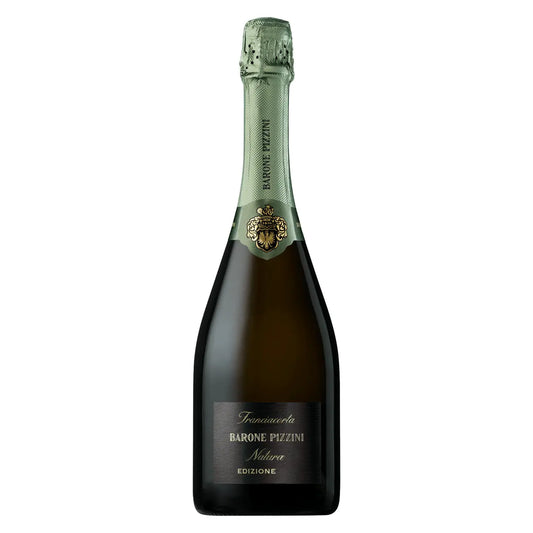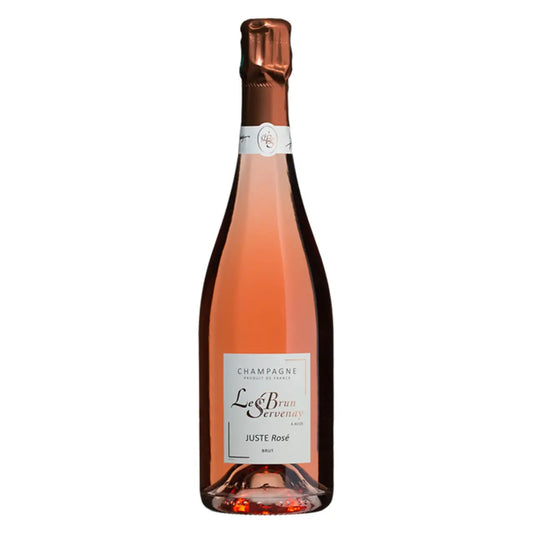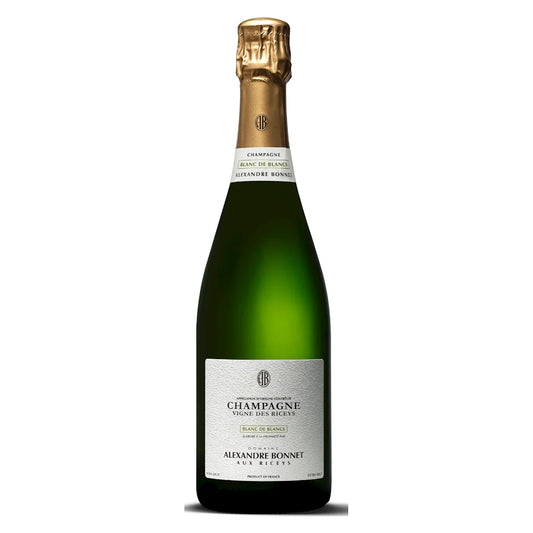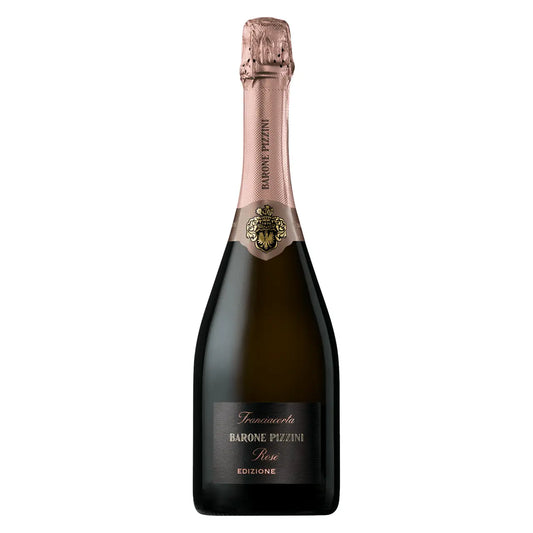

Welcome to the fourth part of Bubbles for beginners. So far we have looked at the major types and at the very magic behind the bubbles. Now we zoom in on four names you come across again and again: champagne, crémant, cava and prosecco.
They all have bubbles, but they do not taste the same. The difference comes from two things: where they are made, and how the bubbles get into the bottle. Once you understand that, it becomes easier to choose the right bottle for the right occasion. Let us take them one at a time.
What you will learn
- Where the four classics come from
- How method and grape shape the taste and the style
- When each type suits the glass best
Champagne
Champagne comes exclusively from the Champagne region in northern France. If the wine is called champagne, then that is where it comes from. It is made above all from the grapes Chardonnay, Pinot Noir and Pinot Meunier.
What is special about champagne is that the bubbles form inside the bottle itself through a second fermentation. Afterwards the wine rests for a long time on its lees, and this is where it picks up the little notes of freshly baked bread and brioche that many people associate with champagne. Think of the smell from a bakery early in the morning. That is the kind of depth you can find here, together with fine, persistent bubbles.
Crémant
Crémant is French mousserende vin made in the same careful way as champagne, where the bubbles form in the bottle. The difference is geography: crémant comes from French regions other than Champagne.
This gives you a wine with some of the same body and finesse, but often with its own local character, depending on which grapes the area grows. If you are fond of the style of champagne and would like to discover more French bubbles, crémant is a natural place to look.
Cava
Cava comes from Spain and is also made with the method where the bubbles arise in the bottle. The typical grapes are Macabeo, Parellada and Xarel-lo, which you rarely meet elsewhere.
That is precisely why cava tastes its own way: often fresh and rounded with a sun-drenched, southern touch. It is a friendly and sociable style with bubbles you can easily enjoy both on an everyday basis and on slightly more festive occasions.
Prosecco
Prosecco comes from northern Italy and is made from the grape Glera. Here the method is different: the bubbles form in a large tank instead of in the bottle.
That approach captures the grape's fresh, fruity character. This is why prosecco is typically light, fruity and straightforward with a scent of flowers and light fruit. These are bubbles that ask nothing of you. You simply open the bottle and enjoy them. If you would like to refresh how the bubbles come about in the first place, you can stop by How the bubbles arise.
When do you choose what?
A simple rule of thumb: think about what the occasion calls for.
- Champagne is the bottle for the big celebration and the festive meal, where you want depth and a little ceremony in the glass.
- Crémant is the lovely choice when you want the style of champagne in a more relaxed setting.
- Cava goes beautifully with a cosy evening or an informal gathering, where fresh bubbles should flow easily.
- Prosecco is the fruity pick-me-up for a welcome drink, a sunny afternoon or a light snack.
Remember that all four are best served well chilled. It brings out the freshness and makes the bubbles more inviting.
In short
- Champagne comes only from Champagne in France and is made from Chardonnay, Pinot Noir and Pinot Meunier.
- Crémant is French mousserende vin in the same style, but from other French regions.
- Cava is Spanish and is made from grapes including Macabeo, Parellada and Xarel-lo.
- Prosecco is Italian, made from Glera in tank, and is fresh and fruity.
- The bubbles form in the bottle for champagne, crémant and cava, but in tank for prosecco. That shapes the taste.
Frequently asked questions
Why does champagne taste of bread, while prosecco tastes of fruit?
Because they are made differently. Champagne rests for a long time on its lees after the bubbles form in the bottle, and that gives the bakery-like notes. Prosecco gets its bubbles in a tank, which preserves the grape's fresh, fruity character.
Are crémant and cava the same thing?
No, but they are related. Both are made with the method where the bubbles form in the bottle. The difference lies in the country and the grapes: crémant is French, cava is Spanish and is made from its own typical grapes.
Ready for the next step?
Now you know the four classics and what makes each of them itself. In the next part, Serving: temperature, glasses and opening the bottle, we look at how you get the most out of the bottle when it is finally time to open it.
And remember that the best bubbles are the ones you yourself like, with the food you are fond of. Feel free to stop by our selection and find a bottle that suits just your occasion.