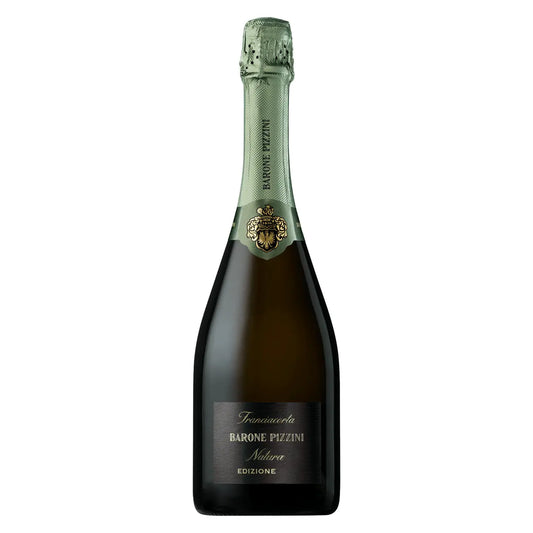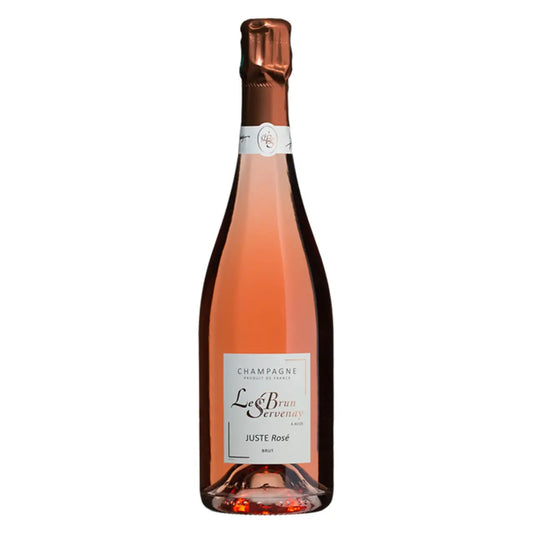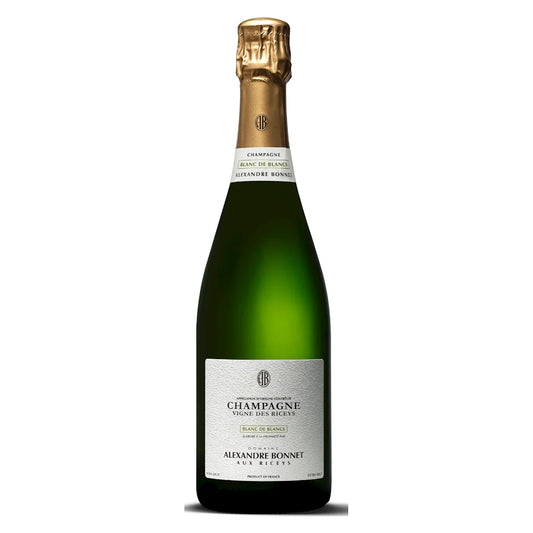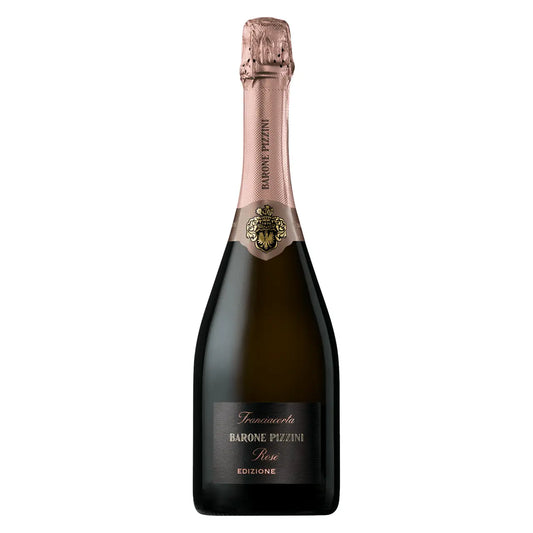

Welcome to the ninth and final part of Bubbles for beginners. You have been all the way around: the major types, how the bubbles come about, what brut means, food and parties, serving and storage. Now we draw the threads together to what it is all about, namely choosing a bottle with peace of mind.
The good thing about bubbles is that there is no single right choice. There is a choice that suits you, the occasion and the food you have planned. Let us keep it simple.
Hvad du lærer
- A simple way to choose bubbles, every place and every time.
- How to match type and sweetness to the occasion.
- That you can confidently trust your own taste.
- How to keep your curiosity alive and try something new.
Begin with the occasion
Never start with the grape or the method. Start with the question: what are the bubbles for?
Are they to be offered as a welcome while the guests hang up their coats? Are they to accompany a whole dinner? Or is it a quiet Friday on the sofa, where a single bottle makes the evening a little festive? The occasion decides most of it, and it almost tells you on its own which direction to go.
For a welcome or a casual cosy evening, a fresh, fruity style is often the obvious choice. It is easy to like, and most people smile at the first sip. If, on the other hand, the bubbles are to carry a celebratory dinner or a big occasion, you can go for a fuller style with a little more depth and notes of bread and brioche from the time on the lees. Think of it as the difference between a light lunch and a dinner you set the table nicely for.
Choose type and sweetness
Once the occasion is settled, you choose two things: type and sweetness. That is the whole art of it.
The type is about the style in the glass. A mousserende vin made by the tank method, like Prosecco, typically gives a fresh and fruity experience. A wine made by the traditional method, like Champagne, Cava and Crémant, often has finer bubbles and those lovely bready notes. Neither one nor the other is finer. They are simply different, and different occasions call for different styles. If you want to refresh the details, they are in Champagne, cava, prosecco and crémant.
The sweetness determines how dry or sweet the wine tastes. This is where the word brut comes in. Brut is the dry style, and it is a safe starting point, because it suits so much, from snacks to main courses. If you want something with a slightly rounder feel, or if the bubbles are to accompany a dessert, a softer style can be the way. The whole logic is explained in Dry or sweet? Understand brut.
A simple rule of thumb: dry for the savoury and most food, softer for the sweet.
Use what you now know
You actually already have everything you need. Put the pieces together, and you have a method you can take with you everywhere.
- What is the occasion? Welcome, dinner or cosy evening.
- Which style suits it? Fresh and fruity, or finer and fuller.
- How dry? Brut for most things, softer when something sweet is in play.
- What are you eating? Let the food point you in the final direction. More about that in Bubbles and food.
Three or four small questions, and you are left with a choice you can stand by. Remember that the bubbles should be served well chilled, no matter what you choose. That is what makes them fresh and festive, and you will find the full guide in Serving: Temperature, glasses and opening the bottle.
When in doubt, stick to brut and a style you know. It is rarely a miss, and it gives you the headspace to enjoy the company instead of pondering over the bottle.
Be curious and try something new
The finest thing about bubbles is that there is always more to discover. When you have found a style you love, do not stop there. Try a Crémant if you usually drink Prosecco. Taste a Cava against a Champagne. Set two bottles side by side one evening and notice the difference. That is how you get to know your own taste.
You do not need to be able to put words to everything. A little note about what you liked about a bottle goes a long way the next time you have to choose. And if you would like a little extra peace of mind in the bottle, take a look at organic bubbles, where the grapes are grown with care for the soil.
Finally, and this is the most important rule of them all: the right bottle is the one you yourself enjoy, together with the food and the company you love. The rest is details.
Kort fortalt
- Begin with the occasion, not with the grape or the method.
- Choose type (fresh and fruity or finer and fuller) and sweetness (brut is a safe starting point).
- Let the food point you in the final direction.
- Trust your own taste, and try something new now and then.
- The right bottle is the one you like, with the food you like.
Ofte stillede spørgsmål
What do I choose if I am completely unsure?
Go for a brut. The dry style suits most things, from a welcome to a whole dinner, and it rarely disappoints. Serve it well chilled, and you are well on your way.
Does it always have to be Champagne for a celebration?
Not at all. Cava and Crémant are made by the same traditional method and give a similar style, and a fresh Prosecco can be just right for a light and happy occasion. Let the occasion and your own taste decide.
Klar til næste skridt?
That was the final part of Bubbles for beginners, and you now have a whole little toolbox with you. If you want to revisit the basics, you can always return to Bubbles in brief: The major types, or read more about Bubbles for parties and celebration when there is something to mark.
Otherwise, the best way to learn is to taste. Take a calm look around the selection, find a bottle that sparks your curiosity, and remember: the right bubbles are the ones you love, together with the food and the company you love. Cheers.