
-
Winemaker's Dinner - Passopisciaro - Enomania - 28. oktober 2026 kl. 18.00
Regular price €177,95 EURRegular priceUnit price per -
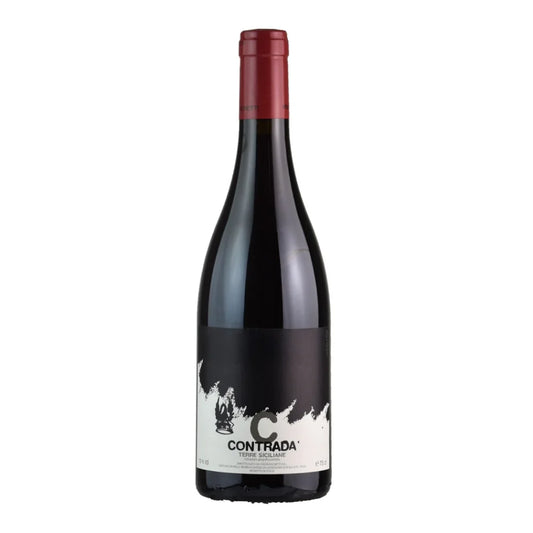
Passopisciaro Contrada "C" Chiappemacine Terre Siciliane IGP 2022
Regular price €73,95 EURRegular priceUnit price per -
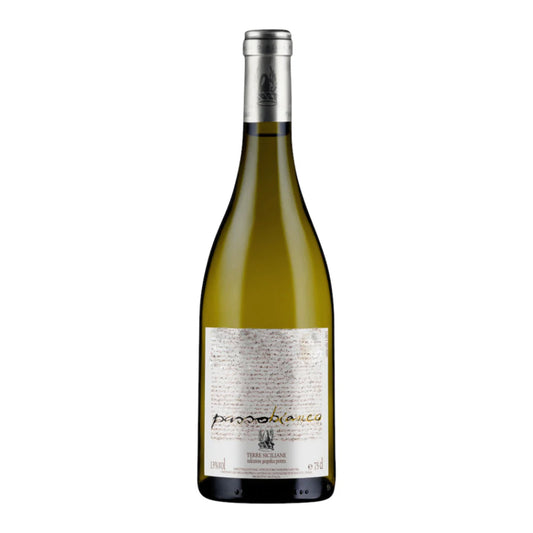
Passopisciaro Passobianco Terre Siciliane IGP 2023
Regular price €36,95 EURRegular priceUnit price per -
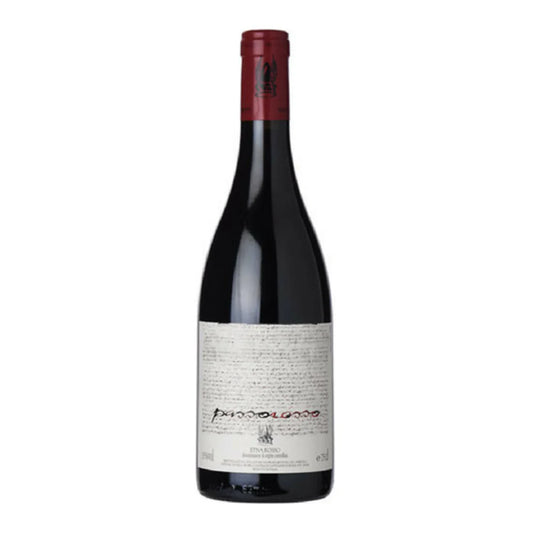
Passopisciaro Passorosso Terre Siciliane IGP 2023
Regular price €38,95 EURRegular priceUnit price per -
Passopisciaro Passobianco Terre Siciliane IGP 2024
Regular price €32,95 EURRegular priceUnit price per -
Passopisciaro Passorosso Terre Siciliane IGP 2024
Regular price €34,95 EURRegular priceUnit price per -
Passopisciaro Contrada "S" Sciaranuova Terre Siciliane IGP 2024
Regular price €67,95 EURRegular priceUnit price per -
Passopisciaro Contrada "R" Rampante Terre Siciliane IGP 2024
Regular price €67,95 EURRegular priceUnit price per -
Passopisciaro Contrada Guardiola Terre Siciliane IGP 2024
Regular price €67,95 EURRegular priceUnit price per



Etna - pioneering work by Andrea Franchetti
It is difficult to talk about modern Etna without mentioning Andrea Franchetti. When he bought an old farm and abandoned cellars on Etna's northern slope near the village of Passopisciaro around the turn of the millennium, the area was still marked by neglect, impassable terrain, and vineyards that few had an eye for. Franchetti saw something else: the potential in the weathered lava terraces, the extreme microclimate, and the altitudes around 1,000 meters above sea level.
He cleared old plots and replanted with an unusually high density - up to 12,000 vines per hectare - on the thin, lava-based soils. A radical choice that marked the beginning of a transformation, not just for Passopisciaro, but for the entire wine world's view of Etna as a wine region.
Nerello mascalese and the contrade
With an uncompromising focus on Etna's historical grape, nerello mascalese, Franchetti began systematically exploring the many nuances of the volcanic terroir. Etna's north side is shaped by centuries of lava eruptions, creating a complex mosaic of soil types, exposures, and microclimates - today known as contrade.
Each contrada bears its own geological and mineral signature, and Franchetti was among the first to bottle the wines separately by origin. Thus, he helped establish the cru concept, which today is a cornerstone of Etna's modern wine identity. At Passopisciaro, contrada is not a stylistic choice but a direct expression of the soil's age, structure, and energy.
The wines
Today, Passopisciaro produces nine wines, most of which are pure interpretations of nerello mascalese. Passorosso is the house's unifying story of Etna - a light, nuanced, and deep wine that blends fruit from different altitudes and soil types, providing a comprehensive picture of the mountain's character.
In addition, there are the five Contrada wines: C, P, G, S, and R, each expressing their specific origin. Old vines planted on lava of different ages give wines with markedly different structure, tension, and minerality, but always with the elegance and precision that characterize great nerello mascalese.
In parallel, Andrea Franchetti also worked with varieties such as chardonnay, petit verdot, and cesanese d’Affile - experiments that testify to his curiosity and uncompromising approach, but without losing focus on Etna's soul.
Passopisciaro at Copenhagen Wine
Passopisciaro is not just a winery - it is a landmark for the entire development of Etna. The wines represent one of the most convincing expressions of what volcanic terroir can convey when managed with precision, courage, and a deep understanding of the place.
At Copenhagen Wine, we are proud to work with Passopisciaro. The wines from here are for those seeking energy, clarity, and depth, where elegance and raw power coexist, and where each bottle tells the story of Etna, nerello mascalese, and the pioneering work that has made the area one of Europe's most exciting wine landscapes.