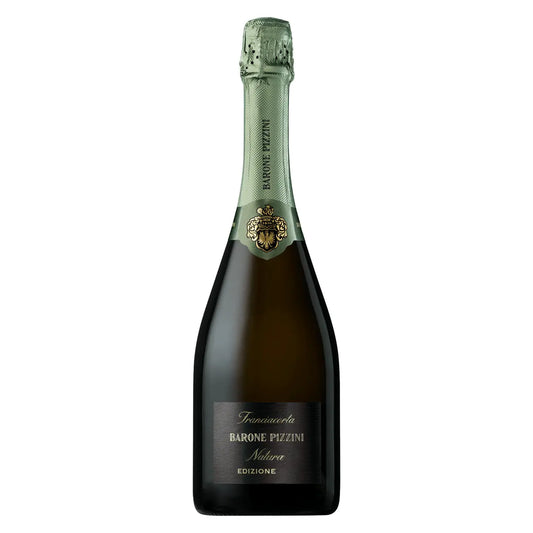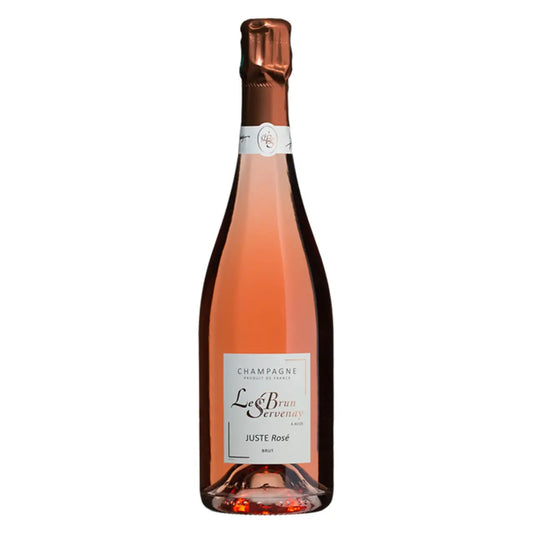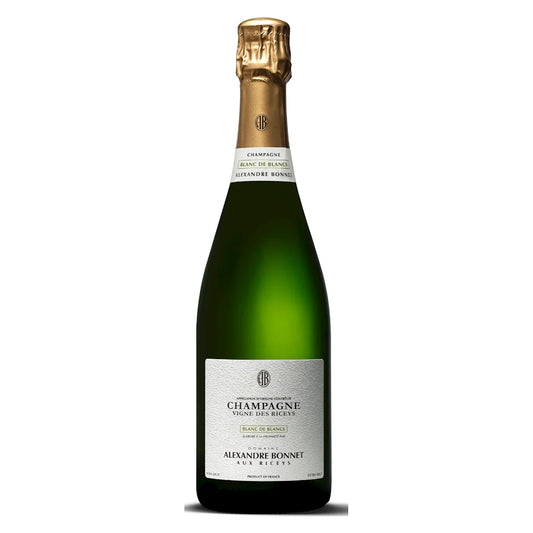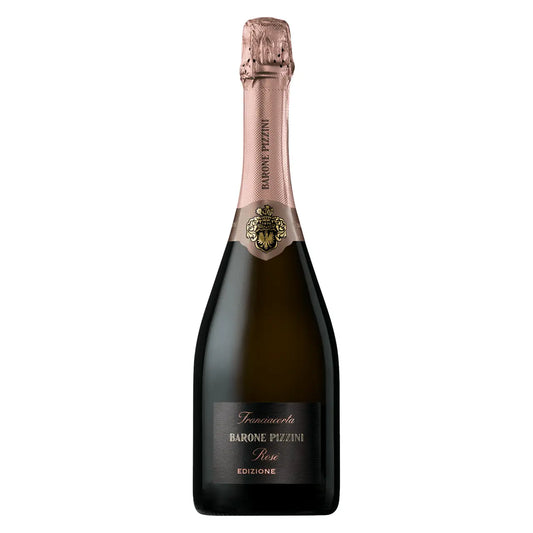

Welcome to part 8 of our journey Winemaking for beginners: From grape to glass. So far we have followed the wine from vineyard to press, through fermentation and ageing. Now we are going to look at the wines that stand out from the crowd: the ones with bubbles and the ones with extra edge.
Mousserende vin and fortified wine are not just different to drink. They are also made in their very own ways. Once you understand those principles, it becomes much easier to know what you have in your glass, and why it tastes the way it does.
What you will learn
- How the bubbles even get into the mousserende vin
- What happens when you add alcohol to a fortified wine like port
- How the most important special wine types differ from one another
- Why some sweet wines owe their flavour to a little fungus
How the bubbles arise
The bubbles in a glass of mousserende vin are carbon dioxide, the same gas that makes bread rise. And the source is actually the same: yeast. When yeast eats sugar, it does not just make alcohol, but also a lot of gas.
In a perfectly ordinary still wine, that gas is allowed to escape along the way. The secret behind mousserende vin is that you capture it instead. You do this by letting the wine ferment an extra time in a closed container, where the gas cannot escape. Then it is forced to dissolve into the wine, until you open the bottle yourself and set it free as bubbles.
There are several ways to capture the bubbles, and the most widespread in the world is to let the wine ferment an extra time after adding a little sugar. Think of it as giving the yeast one last little snack in a closed room.
The traditional method
The best-known approach is called the traditional method, or méthode champenoise, because it originates from Champagne in France. Here the extra fermentation happens inside the bottle itself.
You add a little sugar and yeast to the finished wine, close the bottle and let it rest. The yeast gets going, makes bubbles, and when it has done its work, it dies and settles as a sediment. And this is where it gets interesting: if you let the wine rest a long time on the dead yeast sediment, the sediment slowly begins to give flavour back to the wine. That is the process that gives many mousserende vine their characteristic aroma of bread, brioche and toasted nuts.
Finally the sediment has to be removed. The bottles are stood upside down and turned very slightly over several days, so that the sediment gathers down by the cork and can be removed in one clean motion. It is deft craftsmanship, and it is a big part of the reason why wine made this way has a very special finesse.
Champagne and its grapes
Champagne is typically made from three grapes: Pinot noir, Pinot meunier and Chardonnay. The fact that you can make a pale, fresh sparkling wine from dark grapes surprises many. But if you press the grapes gently and leave the skins out, the juice is not allowed to draw colour, and the result turns out pale.
Fortified wines: fortification with alcohol
A fortified wine, also called a strengthened wine, is a wine to which extra alcohol has been added. The English word is to "fortify", that is, to make stronger, and that is exactly what happens.
The idea arose several hundred years ago, when wine had to be transported by ship on long voyages. The extra alcohol acted as a preservative and kept the wine fresh along the way. Today it is used because it gives the wine its special body and longevity.
Here lies a small but important point. If you add the alcohol while the wine is still fermenting, it stops the yeast in the middle of its work. Then it does not manage to eat all the sugar, and the wine becomes sweet and powerful at the same time. That is the principle behind port. If, on the other hand, you wait until the fermentation is completely finished, the fortified wine turns out dry in style. In other words: the timing decides whether the fortified wine ends up sweet or dry.
Other special styles
The world of special wines holds more than bubbles and port.
Sherry and flor
Sherry is a dry, fortified wine from Spain, made almost exclusively from the white grape Palomino. The fun thing about sherry is that some of it matures under a living layer of yeast that settles as a film on top of the wine in the barrel. That film is called flor, and it shapes the flavour quite differently from wines that are allowed to get air. Sherry is moreover aged in a refined system of barrels in several layers, where you always draw off a little from the oldest barrels and top up with younger wine. That way the flavour becomes incredibly consistent year after year.
Wines from noble, rotten grapes
Some of the world's most sought-after sweet wines owe their flavour to a fungus. Under very particular weather conditions, where humid nights are followed by dry, sunny days, a fungus called noble rot can settle on the grapes. It makes them shrivel like raisins, so that sugar, acidity and aroma are concentrated. The result is deep, honey-sweet wines. The French region Sauternes near two rivers is famous for precisely this interplay between moisture and dryness.
In short
- The bubbles in mousserende vin are gas from an extra fermentation, captured in a closed container
- The traditional method lets the extra fermentation happen in the bottle and gives notes of bread and nuts
- Fortified wine is wine with added alcohol, and the timing decides whether it becomes sweet or dry
- Sherry is shaped by a living yeast film called flor and a refined system of aged barrels
- Certain sweet wines owe their concentrated sweetness to a noble fungus
Frequently asked questions
Why do many mousserende vine taste of bread and nuts?
Because they have rested a long time on the dead yeast sediment after the extra fermentation. The sediment slowly releases flavour back into the wine, and that gives precisely those notes of bread, brioche and toasted nuts.
Are port and sherry the same?
No. Both are fortified wines with added alcohol, but port is typically sweet because the alcohol stops the fermentation early, while sherry is most often dry and shaped by the yeast film flor during maturation.
Ready for the next step?
Now you have a complete picture of how wine comes into being, from the still wines to the bubbles and the fortified styles. What remains is the most fun part of all: tasting. In the next and final part, Taste the wine: A beginner's guide to wine tasting, we gather it all in the glass and give you a simple way to put words to what you experience.
Do drop by our selection and find a mousserende vin or a fortified wine you would like to get to know. And remember the simple guideline that always holds: the finest pairing is the wine you like with the food you love. Cheers, and welcome to the final stage.