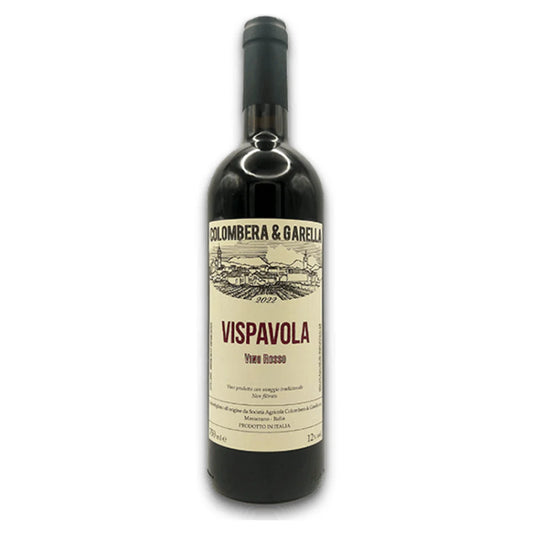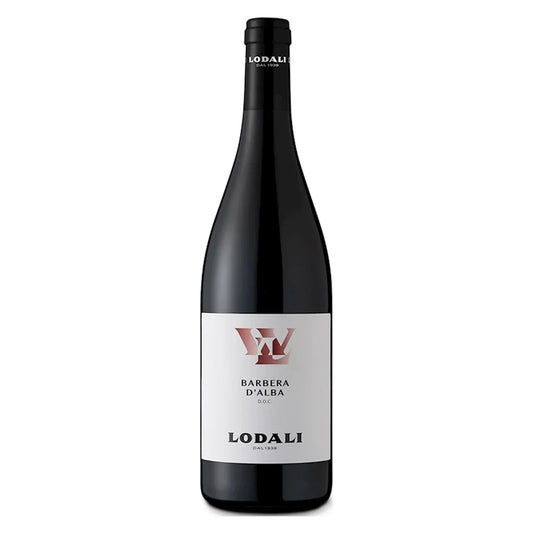

Welcome to the first part of our series Winemaking for Beginners: From Grape to Glass. Across nine parts we follow the wine all the way from the moment the grape hangs on the vine to when it stands ready in your glass. No prior knowledge required. Just curiosity and a desire to understand what it actually is you are drinking.
In this first part we start right from the bottom. We look at what wine basically is, which main types you will encounter, and which big steps lie hidden behind a glass of wine. Think of it as the map we unfold before we set out on the journey.
What you will learn
- What wine is, and what sets it apart from other drinks
- An overview of the most important types of wine
- The overall steps in winemaking, told simply
- How to make the most of the rest of the series
What is wine — a short definition
Wine is quite simply fermented grape juice. When you press ripe grapes, you get a sweet juice (called must), and when the small living organisms of the yeast get going, they convert the grape's sugar into alcohol. That is what turns must into wine.
You can think of it a little like sourdough or a homemade kefir. The yeast is an invisible helper that transforms a raw ingredient into something completely new with flavour and aroma it did not have before. The difference from most other drinks is that wine is made from fresh fruit and gets its character from the grape itself and the place where it grew.
Grapes are the classic starting point, and when we say wine, we usually mean precisely wine made from grapes. You can also make fermented drinks from other fruits, but the word wine fundamentally belongs to the grape.
A small delight to take with you: wine is one of humanity's oldest drinks. Wine grapes have been cultivated for several thousand years, long before we had written down much else. So when you drink a glass, you are tasting a tradition older than most countries on the map.
The different types of wine at a glance
The easiest way to get a grip on wine is to divide it into a couple of groups. You already know the most important one: the colour.
- Red wine is made with the grape skins, and it is the skins that give both colour and the somewhat fuller, more powerful character.
- White wine is typically made without the skins, so it becomes lighter, fresher and often crisper in flavour.
- Rosé sits in between. The skins are allowed to colour the juice for a short while, so the wine becomes pink rather than deep red.
Beyond colour, wine can also be divided according to how sweet or dry it is. Dry means that most of the grape's sugar has been turned into alcohol, so the wine tastes fresh and not sweet. Sweet wine still has some of the grape's natural sweetness left and is often served with dessert.
Finally there are two special families that we devote a good deal of the series to:
- Mousserende vin is wine with bubbles. The bubbles come from carbon dioxide that forms naturally during an extra round of fermentation.
- Fortified wine is wine to which a little extra alcohol has been added. It becomes more powerful and keeps longer once opened, and it is often drunk as an aperitif or with dessert.
You do not need to learn it all by heart now. Just remember the three colours and the two special types, and you will have a good map.
The journey of wine: from vineyard to glass
Behind every glass lies the same basic journey. Here it is in broad strokes, so you have the overview before we dive into each step.
1. In the vineyard
It all begins with the grape. Soil, climate and sunshine shape how the grape tastes, and thereby which wine can come of it. A grape that has ripened in plenty of sun tastes different from one grown in a cooler place.
2. Harvest and pressing
When the grapes are ripe, they are harvested and pressed so the juice can come out. Here the winemaker already makes the first choices that point towards a particular kind of wine.
3. Fermentation
Now the yeast gets going and transforms the sweet juice into wine with alcohol. This is the heart of the whole process, and it is here that most of the magic happens.
4. Ageing and maturation
Many wines are allowed to rest for a time before they are bottled. At rest they develop aroma and flavour and become more harmonious. Some rest on barrels of wood, others in tank.
5. In the glass
Finally the wine is bottled and reaches you. The rest you handle yourself with a clear conscience.
How to use this series
The series is built as a journey, and each part builds on the previous one. You can easily read them in order, but you can also skip ahead to whatever tickles your curiosity right now.
We go for the big ideas rather than technical details. The aim is for you to get a calm, confident sense of what happens from grape to glass, and for it to give you even more pleasure the next time you pour. You do not need a notepad or an exam. Read at your own pace, and feel free to taste along the way.
In short
- Wine is fermented grape juice, where yeast converts the grape's sugar into alcohol.
- The most important types are red, white and rosé, and in addition there is mousserende vin and fortified wine.
- Wine can be dry or sweet depending on how much of the grape's sugar is left.
- The journey of wine goes from vineyard through harvest and fermentation to ageing and finally your glass.
- This series takes you calmly through each step, idea by idea.
Frequently asked questions
Is all wine made from grapes?
When we talk about wine in everyday speech, we mean wine made from grapes. You can also ferment other fruits, but the word wine fundamentally belongs to the grape.
What is the difference between dry and sweet wine?
It is about how much of the grape's sugar has been converted into alcohol. In dry wine most of it has become alcohol, so it tastes fresh and not sweet. In sweet wine there is still natural sweetness left.
Ready for the next step?
Now that you have the map unfolded, it is time to take a closer look at why a grape tastes the way it does. In the next part we look at Terroir: Why soil and climate shape wine, that is, how the place leaves its mark on the wine.
And remember: no matter how much you learn along the way, the best wine is the one you yourself like with the food you love. Use the series as an invitation to taste your way forward and explore the selection with curious senses. Welcome to the journey from grape to glass.