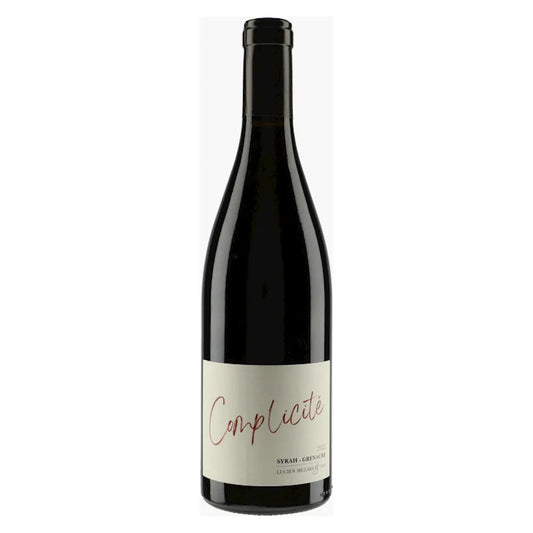

Welcome to the fourth part of our series The great wine regions. We have already stopped by Bourgogne, Bordeaux and Champagne, and now we turn south towards the Rhône, an elongated French wine region that follows the Rhône river through south-eastern France.
What makes the Rhône special is that it is, in practice, two worlds in one. In the north a single grape reigns, while in the south it is all about blends. Once you understand that division, you hold the key to reading a Rhône wine before you have even pulled the cork.
What you will learn
- The difference between the northern and southern Rhône
- Which grapes dominate where
- The most important areas in the region
- What the wines typically display in the glass
The Rhône in brief
The Rhône stretches around 200 kilometres along the Rhône river, from Vienne in the north to Avignon in the south. The region falls naturally into two parts, each with its own terrain, climate and temperament. Terroir here is not just a fine word. The differences in soil, slope and sun exposure leave a clear imprint on the wines.
The Rhône is first and foremost a land of red wine. Rosé, white wine and smaller quantities of mousserende vin and fortified wine are also made, and white wine production has grown considerably since the late 1980s. But it is the reds the region is truly known for.
A small curiosity: vineyards bearing the Rhône name are in fact also found beyond France's borders, among other places in the Swiss Valais near the Alps.
Northern Rhône: Syrah
In the north, it is Syrah that carries everything. Here the grape is grown on steep slopes, often with thin, mineral soil, and the result is red wines with structure, depth and a characteristic peppery, spicy note.
One of the best-known areas in the north is Côte Rôtie. Here you will find, among others, Côte Brune, where the soil is granitic and sandy with an iron content that shows as a rust-coloured tone in the earth. That kind of detail in the subsoil is precisely what makes terroir more than a buzzword. The reds from the north are typically concentrated and built to live for some years.
White grapes are also grown in the northern areas, and white wine production, as in the rest of the region, has become more widespread over the past decades. But when you think of the northern Rhône, it is Syrah that stands first in line.
Tannin and structure
The reds from the north are often marked by noticeable tannin, that is, the substances from skins and seeds that give the wine its firmness and the slightly astringent feeling on the tongue. Together with the acidity, this is what gives Syrah its backbone and its ability to develop over time.
Southern Rhône: blends
If you head south, the logic shifts. Here it is rare for a single grape to stand alone. Instead, the work is with blends, where Grenache plays a central role and often sets the tone with its round, generous fruit. It is typically accompanied by, among others, Syrah and a handful of other permitted grapes.
The climate is warmer and the terrain more open than in the north, and you can taste it in the wines, which are often full-bodied, warm and fruit-driven. The most famous name in the south is Châteauneuf-du-Pape, known for powerful red wines. Alongside it lies a long row of appellations under the broad Côtes-du-Rhône umbrella.
A good example of the south's versatility is Beaumes-de-Venise. The area makes both a sweet fortified wine from Muscat and soft, peppery red wines under the Côtes-du-Rhône-Villages classification. That says a lot about the southern Rhône: breadth, warmth and a fondness for putting grapes together.
The French appellation system
The Rhône falls under the French AOC/AOP system, which sets out, among other things, which grapes may be used, the yields and the growing methods in each area. That is part of the explanation for why a bottle from a particular area follows a recognisable style.
How the wines taste
If you want to put the difference into words, you can think of it like this:
The reds from the north, based on Syrah, are typically dark and structured with a familiar note of black pepper and a firmness that comes from tannin and acidity. They often have a mineral edge that reflects the stony subsoil.
The reds from the south, led by Grenache in blends, are usually rounder, warmer and more fruit-driven, with ripe red and dark berries and a soft, spicy note. They often feel more approachable in their youth.
White wines are found in both parts of the region and range from fresh to fuller styles. And then there is Muscat from Beaumes-de-Venise, an aromatic and sweet fortified wine that shows a completely different side of the Rhône.
In brief
- The Rhône stretches around 200 kilometres along the river from Vienne to Avignon and divides into north and south.
- In the north, Syrah dominates, giving structured, peppery red wines.
- In the south, Grenache is central, and the wines are typically blends with rounder, warmer fruit.
- Châteauneuf-du-Pape in the south is the region's most famous name for powerful red wine.
- The region makes mostly red wine, but also rosé, white wine and a sweet Muscat fortified wine from Beaumes-de-Venise.
Frequently asked questions
Is the northern or the southern Rhône the most powerful?
Both can be powerful, but each in its own way. The north gives structure and peppery tautness via Syrah, while the south is often full-bodied and warm with ripe fruit from Grenache-based blends. It is more about style than about strength.
What is the difference between a single grape and a blend?
In the northern Rhône, the reds are in practice made from Syrah, that is, a single main grape. In the south, several grapes are put together so they complement one another in fruit, body and spice. Both approaches can yield great wines; they are simply two different ways of thinking about wine.
Ready for the next step?
Now you have the two faces of the Rhône in place: Syrah in the north and blends in the south. In the next part we travel onward towards Italy and visit Piemonte: the kingdom of Nebbiolo, where a completely different grape sets the agenda.
If you fancy tasting the difference between north and south, a good start is to set a Syrah-based red wine against a Grenache blend and pay attention. And remember that the best pairing is always the wine you like with the food you like. Do stop by our selection and find a bottle to explore with.