
-
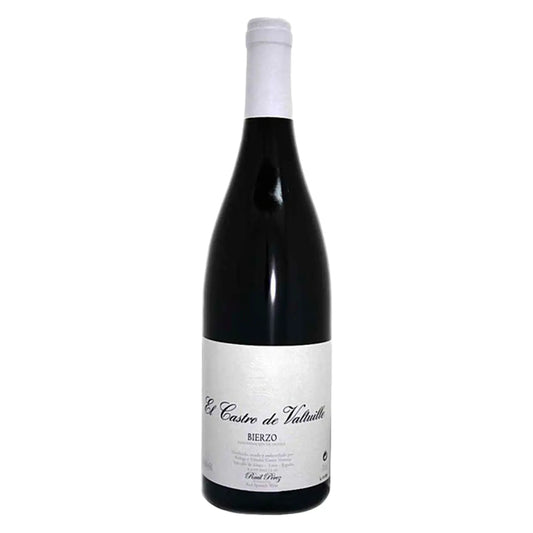
Castro Ventosa El Castro De Valtuille 2019
Regular price €25,95 EURRegular priceUnit price per -
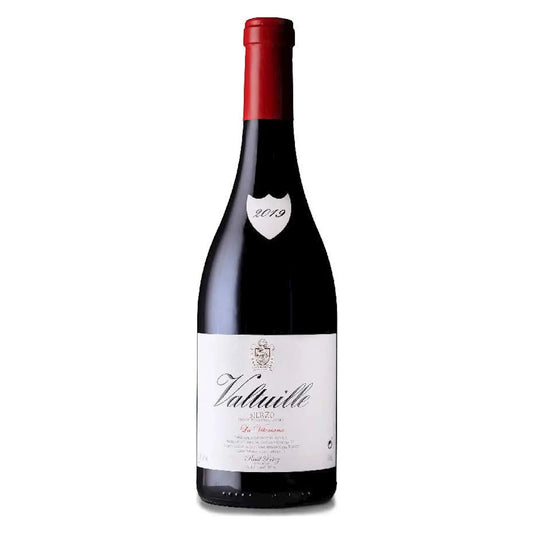
Castro Ventosa Valtuille La Vitoriana 2019
Regular price €161,95 EURRegular priceUnit price per -
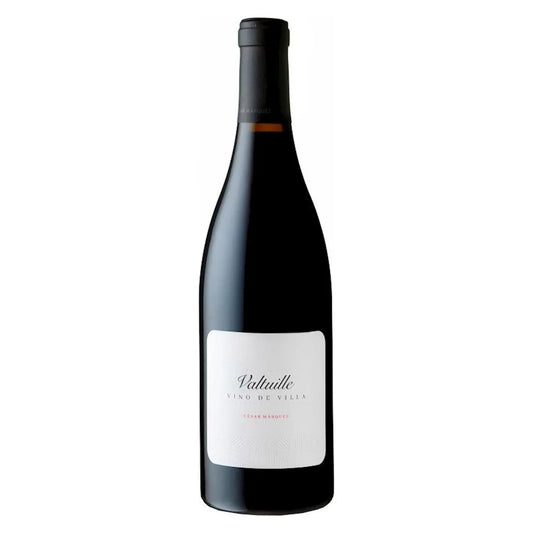
César Márquez Valtuille Vino de Villa 2019
Regular price €28,95 EURRegular priceUnit price per
Castilla y León is Spain's largest wine region and the third largest in Europe. It spreads across the northern half of the central Iberian plateau, where the Duero river cuts through the landscape and forms one of the region's most important wine areas. The climate is continental with cold winters and warm summers, and the vines grow both on fertile riverbanks and on the wind-swept páramos (plateaus).
The wine history reaches back to Roman times, and later the Cistercian monks of the Middle Ages played an important role in raising quality. In recent decades the region has experienced a marked revival. Red wine is the dominant style, and the mainstay grapes are traditional varieties such as Tempranillo and Garnacha. You will also find international varieties such as Petit Verdot, Syrah, Viognier and Touriga Nacional planted here and there.
Castilla y León encompasses a long list of denominaciones de origen, including Ribera del Duero, Rueda, Bierzo, Cigales, Toro, Arlanza, Arribes, Sierra de Salamanca and Tierra de León. In addition there are several Vino de la Tierra designations, and since 2000 the overarching Vino de la Tierra de Castilla y León has made it possible to make wine with fewer restrictions than the DO rules prescribe. In Bierzo it is especially the grape Mencía that shapes the picture, while white wine was historically a rarity. Rosados were for a long time the primary alternative to the reds, until Rueda emerged as the region's most important zone for white wine.
Today the style spans broadly, from young and fresh wines to age-worthy reserva bottles. At the table the region's wines pair well with the local culinary style, whether it is white asparagus, peppers, artichokes or the autumn mushroom harvest. At Copenhagen Wine, Castilla y León is part of our Spanish selection, and the selection from here gives you a good starting point for exploring a region with deep roots and a great deal to offer.