
-
Castro Ventosa El Castro De Valtuille 2019
Regular price €25,95 EURRegular priceUnit price per -
Castro Ventosa Valtuille La Vitoriana 2019
Regular price €161,95 EURRegular priceUnit price per -
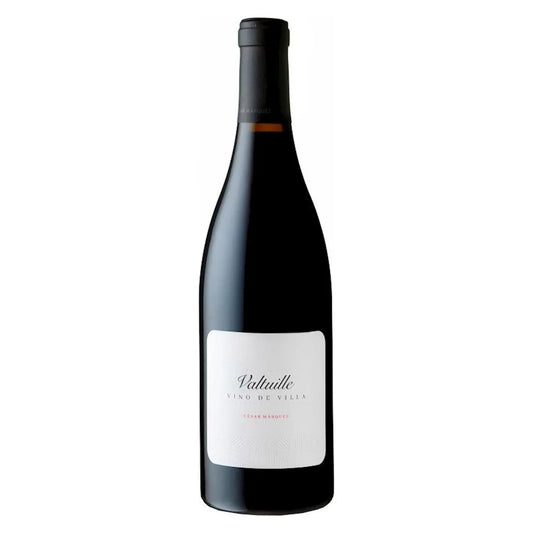
César Márquez Valtuille Vino de Villa 2019
Regular price €28,95 EURRegular priceUnit price per -
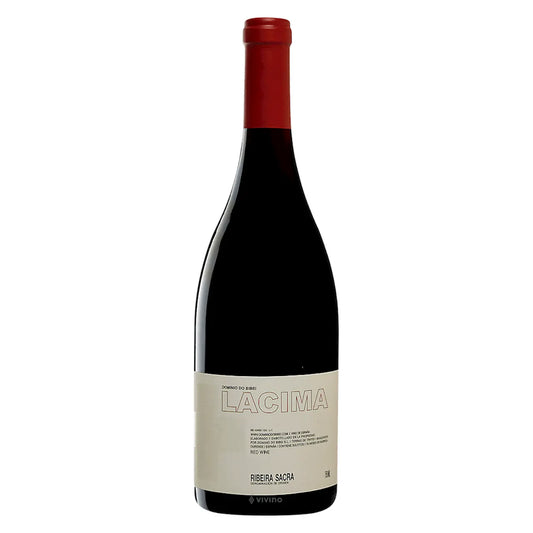 95 POINTS
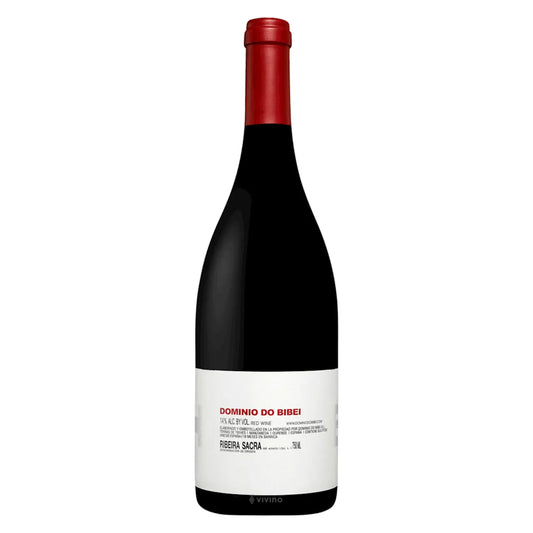
Dominio do Bibei LACIMA 2019
Regular price €50,95 EURRegular priceUnit price per -
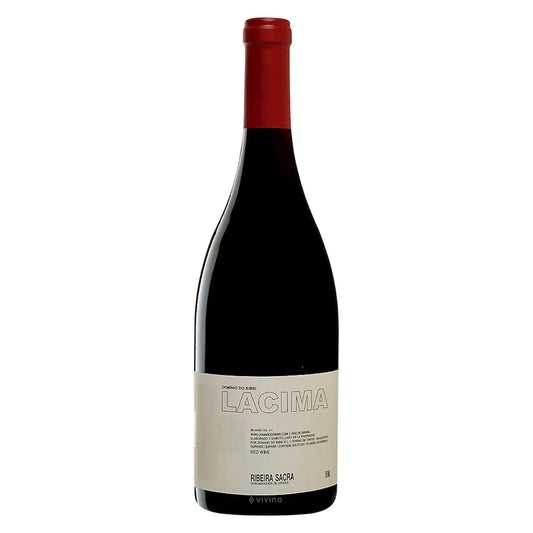 93 POINTS
Dominio do Bibei LACIMA 2020
Regular price €52,95 EURRegular priceUnit price per -
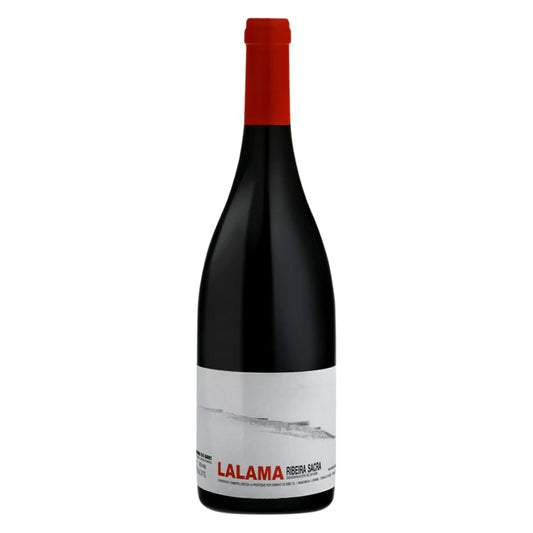 92 POINTS
Dominio do Bibei LALAMA 2021
Regular price €28,95 EURRegular priceUnit price per -
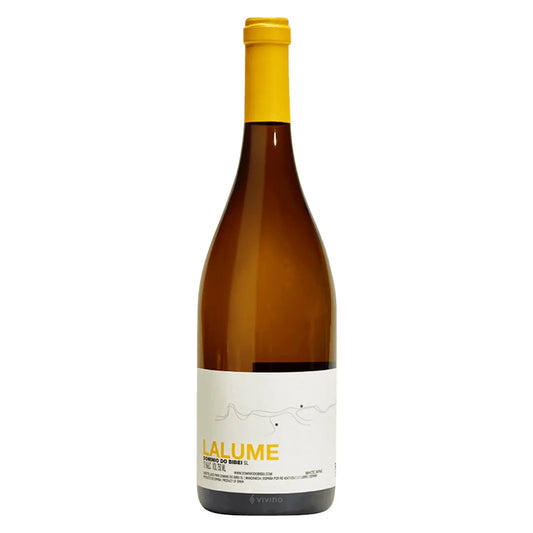 92 POINTS
Dominio do Bibei LALUME 2022
Regular price €25,95 EURRegular priceUnit price per -
 93 POINTS
Dominio do Bibei LAPOLA 2021
Regular price €32,95 EURRegular priceUnit price per -
 92 POINTS
Dominio do Bibei LAPOLA 2022
Regular price €34,95 EURRegular priceUnit price per -
Dominio do Bibei Ribeira Sacra 2020
Regular price €66,95 EURRegular priceUnit price per -
Viñátigo Ensamblaje Blanco DOP 2024
Regular price €34,95 EURRegular priceUnit price per -
 93 POINTS
Viñátigo Laderas de Teno DOP 2022
Regular price €53,95 EURRegular priceUnit price per -
Viñátigo Listán Blanco DOP 2025
Regular price €22,95 EURRegular priceUnit price per -
 91 POINTS
Viñátigo Listán Negro DOP 2024
Regular price €23,95 EURRegular priceUnit price per -
 95+ POINTS
Viñátigo Maipé Taganana DOP 2024
Regular price €37,95 EURRegular priceUnit price per


Spanish wine has undergone a remarkable transformation. Where the country was best known for cheap bulk wine in the 1970s, a quite different ambition grew throughout the 1980s, and today Spain stands as one of Europe's most exciting sources of wine with a genuine sense of origin. The wine history reaches much further back, however: the Phoenicians are believed to have planted the first vines near Cádiz around 1100 BC, and the early Spanish wines were rich and sweet, forerunners of today's sherry.
To navigate the country's many appellations, there is a manageable classification system. Denominación de Origen (DO) corresponds to French AOC and Italian DOC, while Denominación de Origen Calificada (DOCa), introduced in 1981, is the top category. Rioja was for a long time the only region with this status. Each DO and DOCa has its own regulatory stamp on the label as a guarantee of authenticity.
You will often come across the ageing terms Crianza, Reserva and Gran Reserva. A Crianza on red wine requires at least two years of ageing with a minimum of six months in oak, Reserva at least three years with at least one year in barrel, and Gran Reserva a full five years with at least eighteen months in oak. Where tradition once cultivated long barrel ageing and dry, powerful profiles, modern Spanish winemaking is heading towards more fruit, more restrained use of oak and French rather than American barrels.
At Copenhagen Wine, the majority of our Spanish wines come from the green, steep northwest. Ribeira Sacra in particular features prominently, an area known for its terraced slopes and fresh, precise red wines, often from the Mencía grape. We also carry wines from Castilla y León, which offers a different and more continental side of Spanish wine. If you are looking for something more unusual, you can also take a look at the local speciality Brancellao. Together, the selection paints a picture of a Spain that cultivates freshness, terroir and authenticity over heavy clichés.