
-
Domaine Alexandre Bonnet Champagne 7 Cépages 2019
Regular price €109,95 EURRegular priceUnit price per -
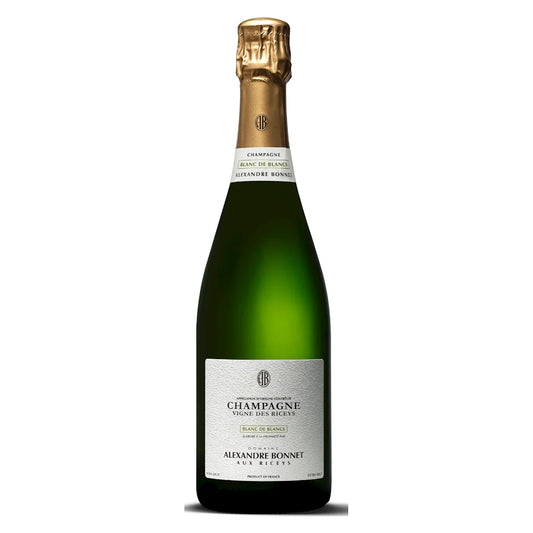
Domaine Alexandre Bonnet Champagne Blanc de Blanc
Regular price €69,95 EURRegular priceUnit price per -
Domaine Alexandre Bonnet Champagne Rosé de Saignée 2018
Regular price €94,95 EURRegular priceUnit price per -
Domaine Alexandre Bonnet Rosé Brut Champagne
Regular price €61,95 EURRegular priceUnit price per -
Le Brun Servenay Champagne Cuvée Mélodie en C Grand Cru Blanc de Blancs
Regular price €55,95 EURRegular priceUnit price per -
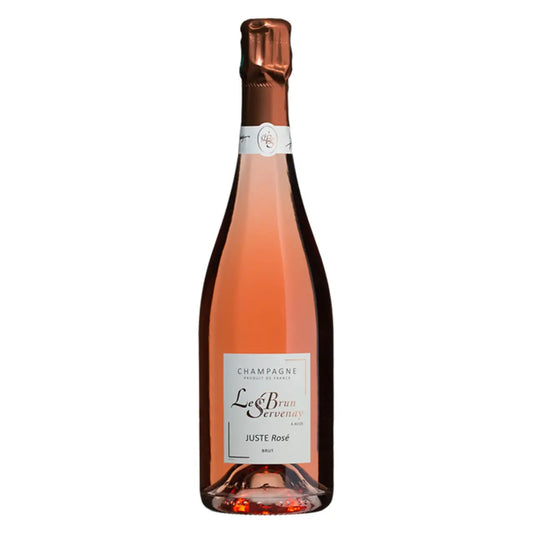
Le Brun Servenay Champagne Cuvée Rosé Brut
Regular price €49,95 EURRegular priceUnit price per -
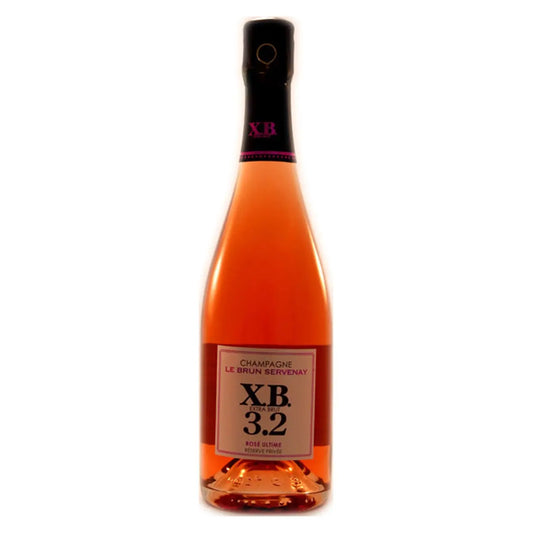
Le Brun Servenay Champagne Cuvée XB 3.2 Rosé Ultime Extra Brut
Regular price €94,95 EURRegular priceUnit price per



Champagne is sparkling wine from the Champagne region in northeastern France. Our selection includes Blanc de Blancs, rosé and vintage champagne. Start with the style you prefer: a fresh wine for an aperitif, a rosé for the meal, or a wine with more mature aromas. The label helps you choose; the description of each cuvée gives you more detail.
Chardonnay, Pinot Noir and Meunier are the region's most important grapes. Blanc de Blancs means that the wine is made from white grapes, most often Chardonnay. Rosé can be produced by skin contact or by blending white and red base wine from Champagne. The colour does not in itself tell you how sweet the wine is. Compare the grapes, sweetness category and tasting notes when choosing between the bottles.
The bubbles are formed by a second fermentation in the bottle. The wine then matures in contact with the yeast residue, also called the lees, which can contribute aromas of bread and toasted nuts. Non-vintage champagne must age for at least 15 months from bottling for the second fermentation, including at least 12 months on the lees. For vintage champagne the minimum total ageing period is three years. Many wines are given longer, and ageing is one of several factors behind their taste.
Brut and Extra Brut are dry styles. Extra Brut has at most 6 grams of sugar per litre, while Brut has under 12 grams. Extra Dry, on the other hand, is a sweeter category than Brut. The acidity also affects how the sweetness is perceived. For fish, shellfish or salty snacks you can start with a fresh, dry cuvée and choose more body if the dish has a creamy sauce.
Serve the wine chilled, and let it open up in the glass. Use information about vintage and taste to find the bottle that suits your menu. If you want to compare it with Italian wines made by bottle fermentation, you can look at our Franciacorta DOCG. Our full selection of sparkling wine gives you more options across regions and styles.