
-
Leitz Eins Zwei Zero Riesling
Regular price €11,95 EURRegular priceUnit price per -
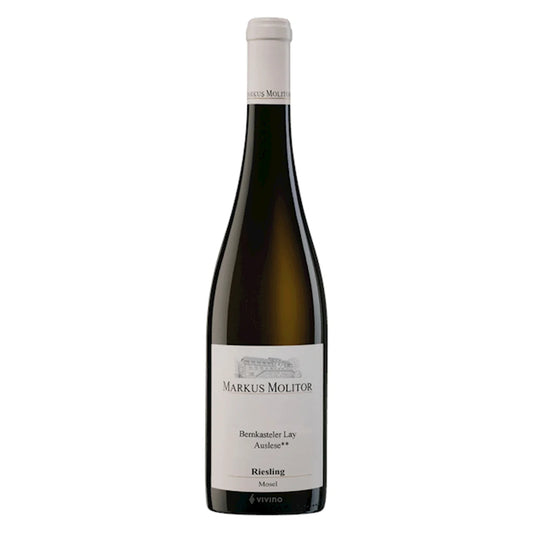
Markus Molitor Bernkasteler Lay Riesling Auslese 2015
Regular price €113,95 EURRegular priceUnit price per -
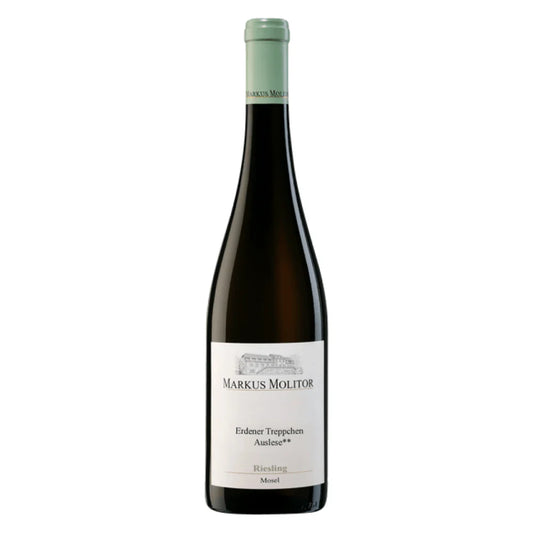
Markus Molitor Erdener Treppchen Riesling Auslese 2015
Regular price €112,95 EURRegular priceUnit price per -
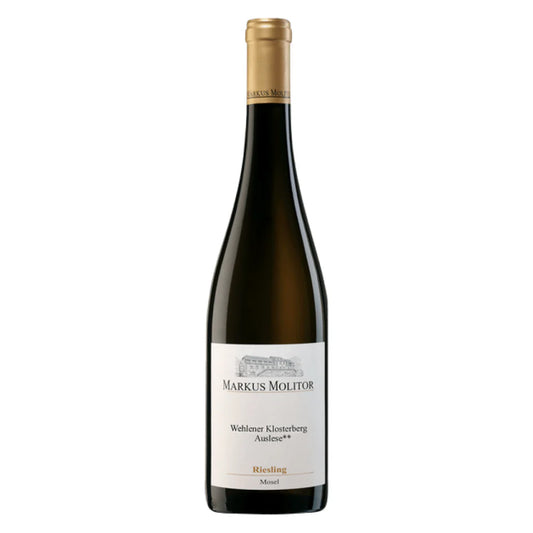
Markus Molitor Wehlener Klosterberg Riesling Auslese 2015
Regular price €51,95 EURRegular priceUnit price per -
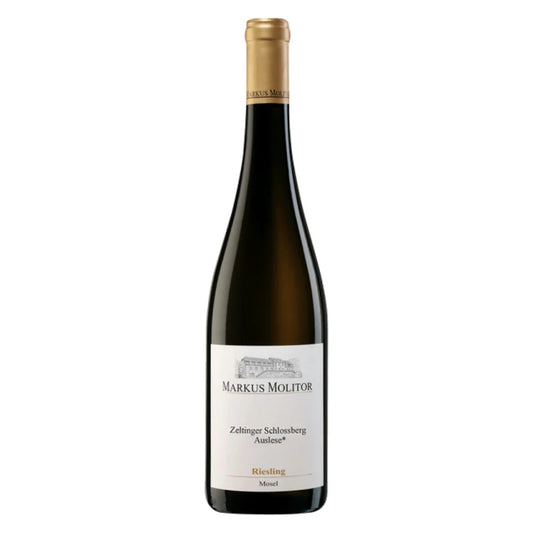
Markus Molitor Zeltinger Schlossberg Riesling Auslese 2015
Regular price €103,95 EURRegular priceUnit price per -
Markus Molitor Zeltinger Sonnenuhr Riesling Auslese 2015 1.5L
Regular price €217,95 EURRegular priceUnit price per -
 96 POINTSOrganic
 German agriculture
DE-ÖKO-039
German agriculture
DE-ÖKO-039
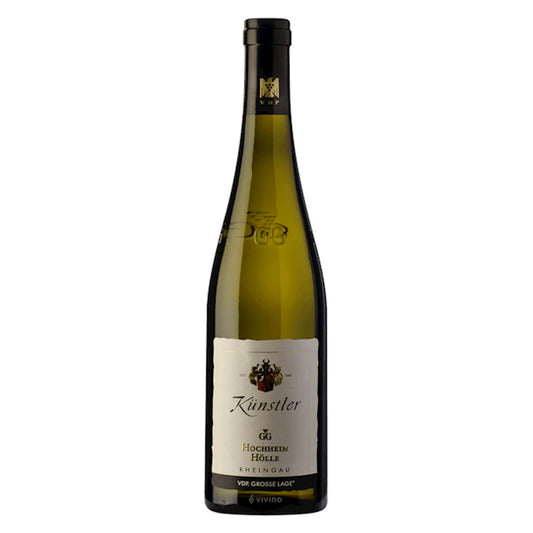
Weingut Künstler Hochheimer Holle Riesling GG 2016 1.5L
Regular price €124,95 EURRegular priceUnit price per -
 Organic
German agriculture
DE-ÖKO-039
Organic
German agriculture
DE-ÖKO-039
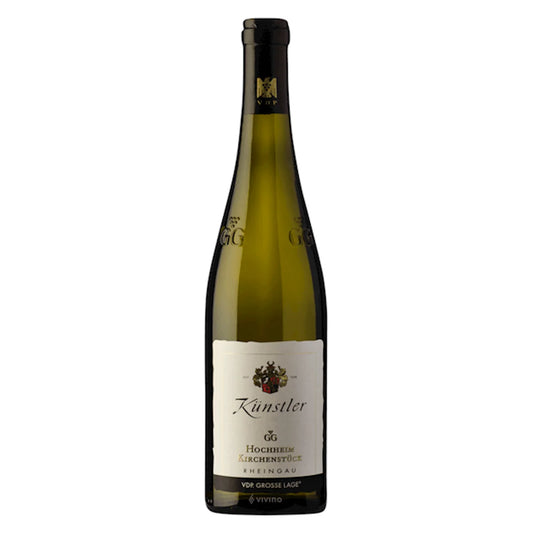
Weingut Künstler Hochheimer Kirchenstuck Riesling GG 2016
Regular price €51,95 EURRegular priceUnit price per -
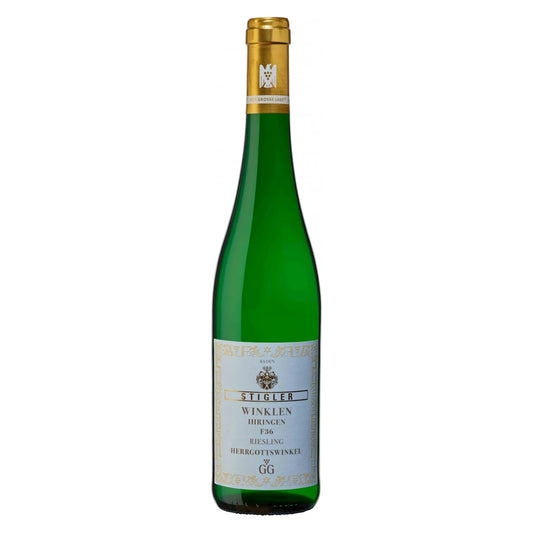
Weingut Stigler Ihringen Winklen Riesling F 36 GG VDP. 2020
Regular price €42,95 EURRegular priceUnit price per -
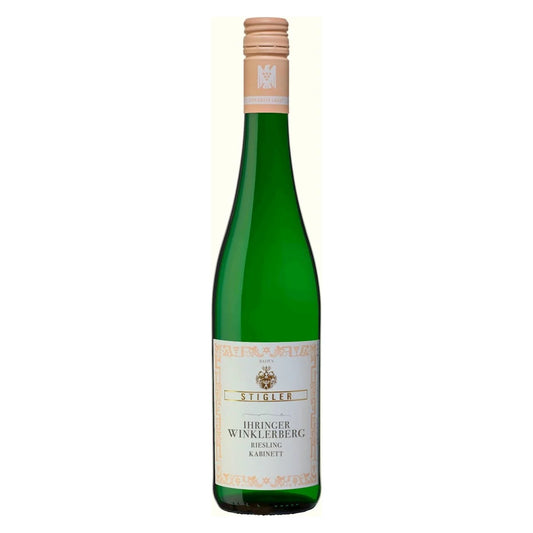
Weingut Stigler Ihringen Winklerberg Riesling Kabinett VDP. Erste Lage 2022
Regular price €23,95 EURRegular priceUnit price per -
Weingut Stigler RL Riesling 2023
Regular price €17,95 EURRegular priceUnit price per -
Weingut Stigler RL Riesling 2024
Regular price €18,95 EURRegular priceUnit price per

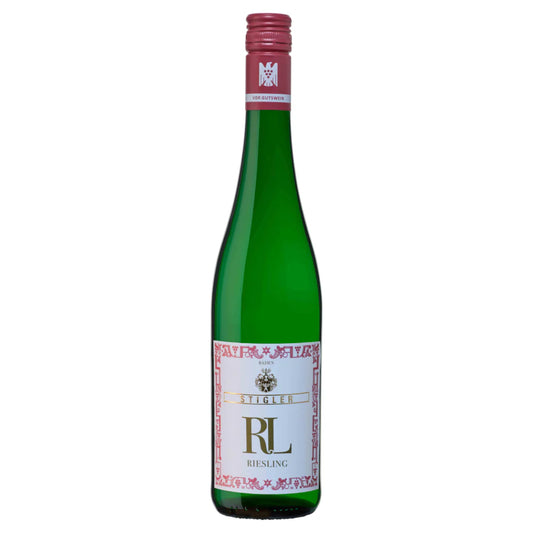
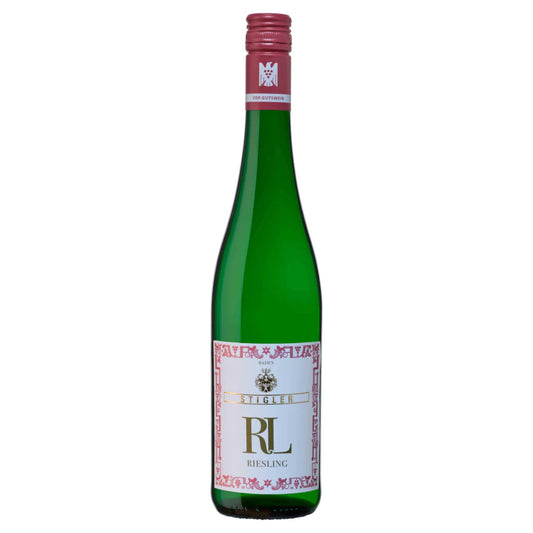
Riesling is a white wine with many expressions, from dry wines with pronounced freshness to styles with more sweetness. Here you will find our selection from Germany, including wines from Mosel, Rheingau and Ihringen in Baden. Start by choosing according to sweetness and body, and then use the vintage and the wine description to compare the bottles.
The grape is closely tied to German wine and is known in particular for its fresh acidity and aromatic character. You may encounter citrus, apple and peach, but aroma and flavour vary with growing site, ripeness and vinification. Fruity aromas do not in themselves mean that the wine is sweet. A Riesling can smell of ripe fruit and still taste dry on the palate.
When you choose Riesling, the individual wine's description is therefore more important than an expectation of one shared style. Look for information about sweetness, acidity and alcohol, and match it with what you would like to drink. The selection also includes an alcohol-free alternative based on Riesling. Always check the information on the specific bottle if alcohol content matters to your choice.
Riesling can develop new nuances with time in the bottle, but not all wines should be kept for the same length of time. Vintage, style and storage all play a part, and a mature wine offers a different experience than a young one. Feel free to compare descriptions of different vintages if you want to explore the difference. The name of the grape is not in itself a recommendation for long cellaring.
With food, a dry and fresh Riesling can suit fish, vegetables or light meat, while a wine with a little sweetness can be interesting with spicy dishes. Let both seasoning and sauce factor into the choice. If you want to compare more German wines, you can explore Germany. You can also continue to our broader selection of white wine and find the grape and style that suits the meal.