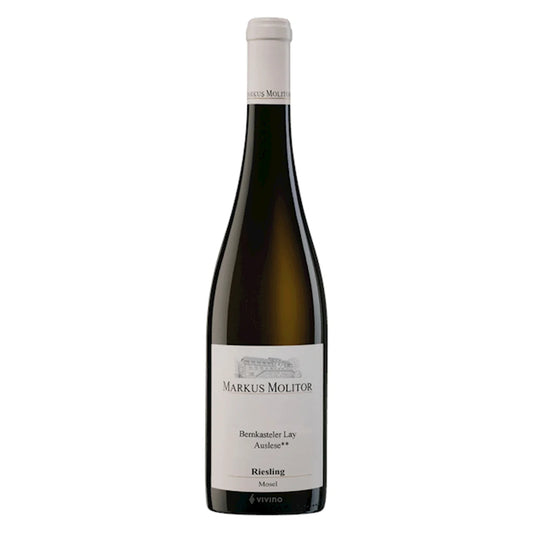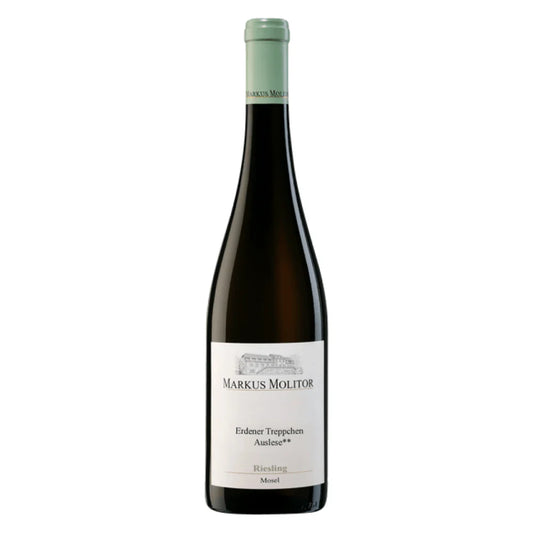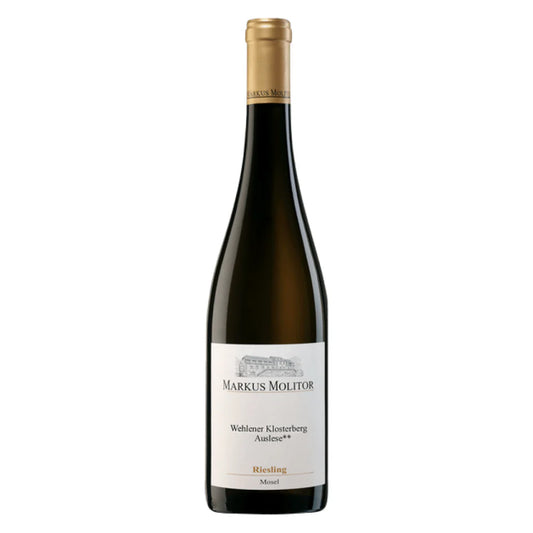

Welcome to the third part of The great grapes of wine. Having explored Chardonnay and Sauvignon Blanc, it is now time for one of the white grapes that divides opinion and wins hearts: Riesling. If you think Riesling is only about sweetness, you have a treat in store.
Riesling is in fact one of the most versatile grapes there is. It can be bone-dry and razor-sharp, delicately off-dry or completely sweet, and it carries its place of origin more clearly than most. Let us find out why so many wine connoisseurs hold it in such high regard.
What you will learn
- Where Riesling comes from, and which regions it thrives in best
- How the grape tastes, and why the fresh acidity is so central
- How to decode the range from dry to sweet
- What Riesling pairs with at the table
Where Riesling comes from
Riesling has its roots in Germany, and this is still where the grape has its spiritual home. It is a white grape within Vitis vinifera with small berries, and it belongs among the early to late ripeners depending on clone and growing site.
Riesling is a distinctly cool-climate grape. Today it is grown above all in Germany, Alsace in France, Austria and Australia, as well as in a range of other cool regions. The cool climate is no coincidence. It is precisely here that the grape can ripen slowly and retain the high acidity that is its hallmark, while the aromatic finesse is given time to develop.
You will come across the grape under several names. Synonyms such as Rhine Riesling, Rheinriesling, Weisser Riesling and Johannisberg Riesling all point to the same classic grape, so do not be confused by the label.
How Riesling tastes
Riesling is an aromatic grape with a complex bouquet. This means that already in the glass it makes itself known with clear, recognisable aromas. You will often meet notes of citrus, apple, peach and white flowers, and over time there can come a hint of honey and something mineral, almost stony.
The truly decisive hallmark is the high acidity. It gives Riesling a crisp freshness and a lightness that makes the wine lively on the tongue, whether it is dry or sweet. It is that balance between acidity and fruit (and sometimes sweetness) that makes the grape so fascinating.
Riesling also contains terpenes, a group of aroma compounds that develop over time. This is part of the explanation for why a Riesling can gain in complexity with a few years in the bottle. One of the grape's special abilities is precisely to mature beautifully and unfold new layers over time.
Dry, off-dry or sweet
The biggest question for many is the sweetness, and here Riesling is in a class of its own. The grape can produce wines across the entire spectrum from bone-dry to decidedly sweet, and it is often the sweetness itself that defines the style.
How to read the sweetness
On a German label you will often meet words that hint at the style. "Trocken" means dry, and "Halbtrocken" or "Feinherb" point to an off-dry wine with a small touch of sweetness. The sweet styles have their own designations, which are typically linked to how late and how ripe the grapes are harvested.
Here is the point that many overlook: thanks to the high acidity, even a Riesling with a fair amount of residual sweetness rarely feels cloying or sticky. The acidity keeps the wine fresh and in balance, so the sweetness is experienced more as juiciness than as sugar. An off-dry Riesling can therefore taste surprisingly fresh and balanced.
Classic regions and styles
The four mainstay regions for Riesling each give their own expression, even though they share the grape's fundamental freshness.
In Germany you find the whole palette, from elegant, light and often off-dry or sweet styles to bone-dry versions. This is where the grape's ability to balance sweetness and acidity really comes into its own.
In Alsace Riesling has traditionally a more dry, full-bodied and structured style, where the grape's aromatics and minerality are given room in a more powerful frame.
Austria is known for dry Rieslings with precise fruit and marked acidity, often with a taut, mineral line.
In Australia you will often meet a dry style with clear citrus character and high freshness, shaped by the cool climate in the best growing areas.
Common to them all is that Riesling reflects its place of origin to an unusual degree. If you would like to experience what terroir (the interplay between soil, climate and place) means for a wine, Riesling is an obvious place to begin.
How to drink Riesling
Riesling is a generous companion to food, and that again is down to the acidity. The fresh acidity cuts through richness and spices in a way that makes the grape a rewarding partner in the kitchen.
A dry Riesling is excellent with fish, shellfish and white meat, where it brings out the freshness without overpowering. The off-dry and lightly sweet versions are among the few wines that can really keep up with Asian food that combines sweetness, acidity and chilli, because the wine's sweetness plays nicely against the hot and the spicy.
The sweet Rieslings belong with dessert or as a companion to powerful, salty cheeses, where sweetness and acidity create a fine contrast.
Serving temperature matters. Cool, but not ice-cold, so the aromas can unfold. If the wine is too cold, you shut down precisely the aromatic complexity that makes the grape special.
In short
- Riesling comes from Germany and thrives in cool climates, especially in Germany, Alsace, Austria and Australia.
- The grape is aromatic with notes of citrus, apple, peach and flowers, and its high acidity is the hallmark.
- Riesling ranges from bone-dry through off-dry to sweet, and the acidity keeps even the sweet styles fresh.
- It matures beautifully over time, because the aromatic compounds develop in the bottle.
- At the table Riesling is versatile, from fish and white meat to Asian food and dessert.
Frequently asked questions
Is all Riesling sweet?
No, far from it. Riesling is made across the whole spectrum from bone-dry to sweet. On German labels "Trocken" points to a dry wine and "Halbtrocken" or "Feinherb" to an off-dry style. Regions such as Alsace and Austria typically make dry versions.
Why does Riesling not taste cloyingly sweet, even when it has residual sweetness?
That is down to the grape's high acidity. The fresh acidity balances the sweetness, so the wine is experienced as juicy and lively rather than sticky. It is precisely this interplay that makes Riesling so balanced.
Ready for the next step?
Now you have got to grips with one of the most versatile white grapes there is. The next stop in the series takes us over into the red wines with a grape that shares Riesling's sense of finesse and its place of origin: Pinot Noir: The elegant and capricious.
If you feel like putting the theory to the test, then have a look at the selection of Riesling and find a style that tempts you, whether it is a bone-dry one for the fish or an off-dry one for the spicy dish. And remember the simple truth: the best pairing is the wine you like with the food you like. Enjoy the discovery.