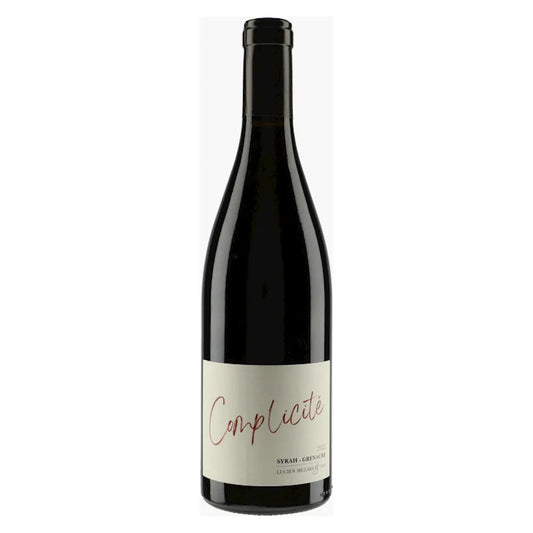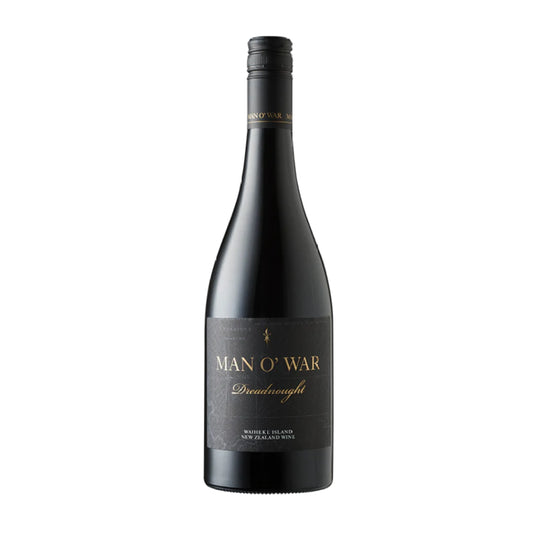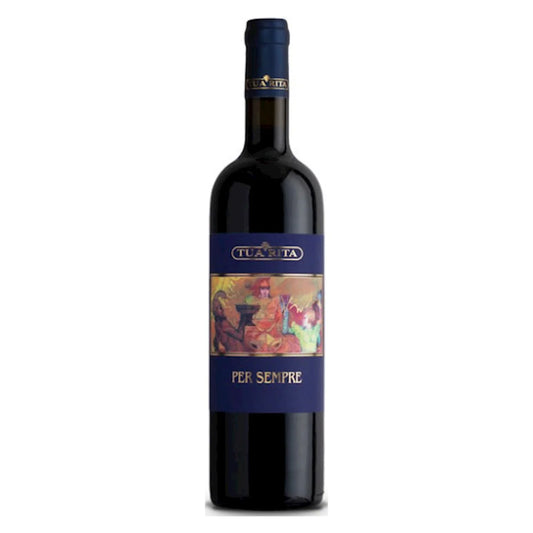

Welcome to the seventh part of our series The great grapes of wine. We have already explored the fresh white wines and the elegant red wines, and now we are turning up the colour, the spice and the power all at once. Syrah is one of the darkest and most characterful blue grapes you will find, and it can deliver both deep, earthy finesse and lavish, fruit-rich body.
If you already enjoy red wine and would like to understand what lies behind the word Syrah (and its alter ego, Shiraz), then you have landed in the right place. Let us dive into the grape's homeland, its flavour and the dishes it suits.
What you will learn
- Where Syrah comes from, and where it is grown today
- How to recognise the grape's dark fruit and spice in the glass
- The difference between the classic Syrah style and the fuller Shiraz style
- What Syrah pairs with at the table
Where Syrah comes from
Syrah is a blue grape of the species Vitis vinifera, and its home is France. Genetically it is the result of a cross between two older French grapes, Mondeuse Blanche and Dureza, which explains part of its very own character.
The grape appears under a string of synonyms around the world, where Shiraz is the best known. You will also meet it as Serine and Sirah, but it is the same grape. Today Syrah is grown not only in France, but also in Australia and Spain among other places, where it appears both as a solo artist and as part of blends.
An important point about Syrah is that its quality depends greatly on where it is planted. In the right places it produces deep, well-balanced wines, while less suitable sites can give wines that become a little too heavy and syrupy. Terroir, that is the interplay between soil, climate and location, in other words means a great deal for this grape.
How Syrah tastes
Syrah typically gives dark, full-bodied red wines with a good structure of tannin. Tannin is the compounds that come from the grape's skin and seeds, and that give the slightly firm, mouth-drying sensation. In Syrah they are often pronounced, but not sharp, and they help give the wine backbone and ageing potential.
In terms of flavour, Syrah revolves around dark fruit. Think blackberry, blueberry and dark cherry. On top of the fruit lies the grape's signature, namely a distinct spice. Many experience notes reminiscent of black pepper, and there can also be tones of liquorice, herbs and something more meaty and earthy.
Fruit and spice in balance
The beautiful thing about a well-sited Syrah is precisely the balance. The dark fruit gives body and depth, while the spice gives edge and complexity. Add to that some time in barrel, and you can gain extra layers of vanilla, toasted tones and softer tannin, because the oak contributes its own flavour compounds and rounds the wine off.
Syrah or Shiraz?
It is the same grape, but the two names often signal two different stylistic directions.
When you see Syrah on the label, it typically points towards a more European, classic style. Here the focus is often on spice, freshness and a more restrained, earthy elegance, where pepper and herbs are given room alongside the fruit.
When you see Shiraz, it often points towards a fuller, more fruit-driven style, which we know especially from Australia. Here the dark, ripe fruit is more prominent and generous, the alcohol can sit at the higher end, and the wine often comes across as rounder and more lavish.
It is not a hard rule, but a good rule of thumb when you are standing there choosing. If you want pepper and finesse, then look for Syrah. If you want juicy, dark fruit and body, then look for Shiraz.
Classic regions and styles
Syrah's classic homeland is the Rhône Valley in France, and it is here that the European style has its roots. Here it appears both as pure Syrah and as part of blends with other local grapes, which gives wines with spice, structure and ageing ability alike.
In Australia, Shiraz has found a different expression, where the warmer cultivation often gives more ripe, full-bodied and fruit-rich wines. These are two sides of the same grape, shaped by climate and tradition.
In Spain, Syrah plays a versatile role. It is permitted or recommended in a long list of areas, including regions in Castilla y León, and it is used in several places as a blending partner. A good example is the interplay with Tempranillo, where Syrah can add colour, spice and body. You will find it both in blends and as independent expressions from single vineyards.
A hint about style
If you want to understand a particular bottle, then look at the origin. Cooler, classic regions typically lean towards pepper, freshness and structure, while warmer regions lean towards ripe fruit and body. Both can be outstanding, it comes down to what you are in the mood for.
How to drink Syrah
Syrah is a wine that loves food, and especially food with a little body and spice. The grape's dark fruit and tannin play well with hearty dishes where there is something to get hold of.
Think grilled and roasted meat, preferably lamb or beef, and dishes with herbs, pepper and a little smoke. The earthy and spicy side of the wine also comes together nicely with dishes featuring mushrooms or dark, rich sauces. A fuller Shiraz style can even hold its own against quite spicy dishes, because the ripe fruit provides a good counterweight.
Serve Syrah at a good cool room temperature, so that neither the alcohol nor the spice takes up too much room. A full-bodied red wine with tannin benefits from a little air, so do give it time in the glass or in a decanter before you begin.
In brief
- Syrah is a dark, full-bodied blue grape from France with pronounced tannin and spice.
- The flavour revolves around dark fruit such as blackberry and blueberry, often with notes of black pepper, liquorice and herbs.
- Syrah and Shiraz are the same grape. Syrah typically signals a classic, spicy style, Shiraz a fuller, more fruit-driven style.
- Classic regions include the Rhône Valley in France as well as Australia and Spain, where the grape also features in blends.
- Syrah pairs well with hearty food featuring meat, spice and body.
Frequently asked questions
Are Syrah and Shiraz the same grape?
Yes. It is precisely the same grape, but the two names are often used to suggest different styles. Syrah typically points towards a more classic, spicy and restrained style, while Shiraz more often points towards a full-bodied, fruit-rich and generous style.
Why do some Syrah taste much more powerful than others?
This is mainly due to where the grape is grown. Syrah is very sensitive to its location, and warmer regions give more ripe, full-bodied fruit, while cooler and well-suited sites give more freshness, pepper and structure.
Ready for the next step?
Now you have a handle on one of the darkest and most spicy grapes in the series. In the next part we travel to Piemonte and meet a completely different kind of powerhouse, the majestic Nebbiolo behind Barolo. You can dive into it here: Nebbiolo: Piemonte's king behind Barolo.
If you feel like comparing, you can also revisit another full-bodied classic such as Cabernet Sauvignon or the softer Merlot. And then remember the most important thing when you are choosing for dinner. The best combination is the wine you like, with the food you like. The rest is fine-tuning. Enjoy tasting your way through our selection.