
-
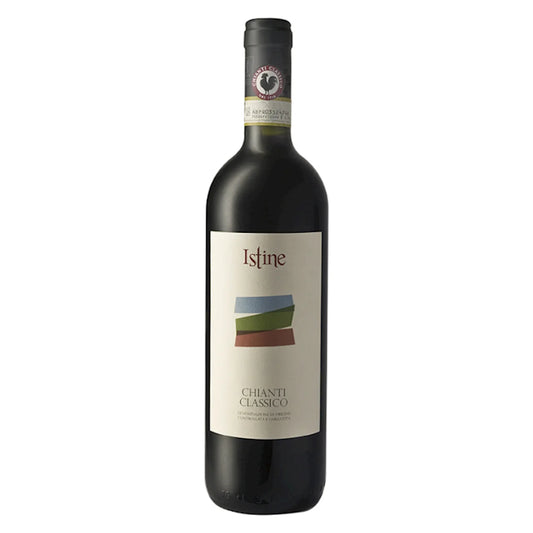
Istine Chianti Classico DOCG 2022
Regular price €24,95 EURRegular priceUnit price per -
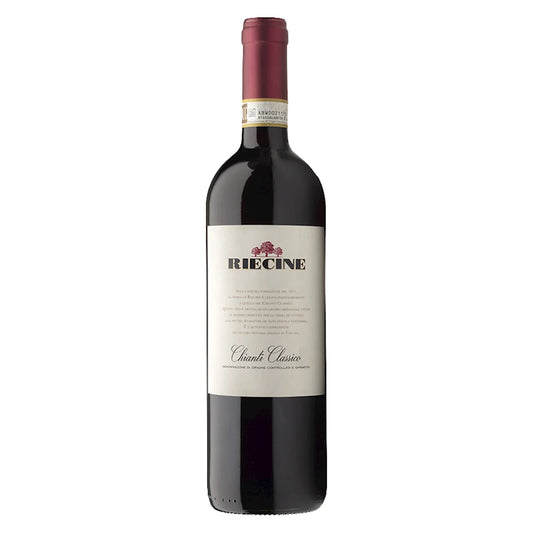
Riecine Chianti Classico DOCG 2022
Regular price €28,95 EURRegular priceUnit price per -
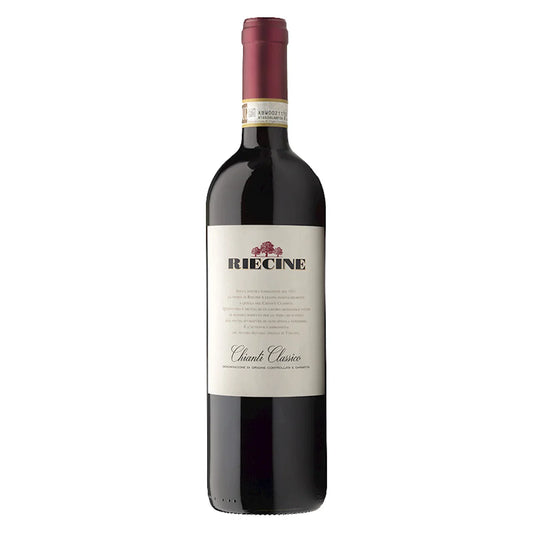
Riecine Chianti Classico DOCG 2023
Regular price €28,95 EURRegular priceUnit price per -
 Organic
 Italian agriculture
IT-BIO-006
Italian agriculture
IT-BIO-006
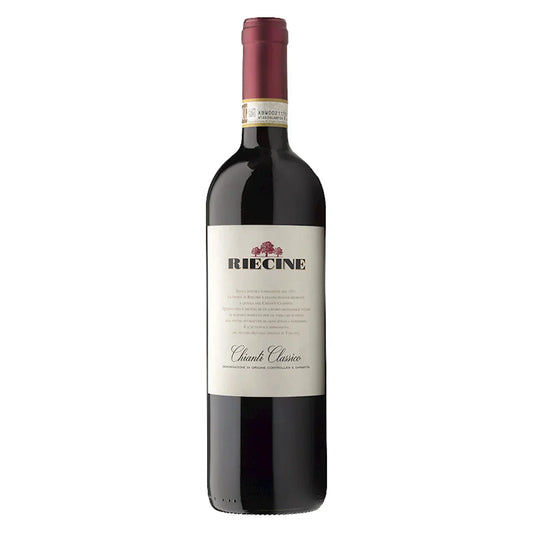
Riecine Chianti Classico DOCG 2024
Regular price €28,95 EURRegular priceUnit price per
Chianti Classico DOCG is a red wine from the hills between Florence and Siena in Tuscany. Sangiovese is the principal grape, and the combination of fresh acidity, red berries and tannin makes the wines interesting with food. Here you will find our selection of Chianti Classico. Begin with the vintage and tasting description that suits what you would like in your glass.
Chianti Classico is its own appellation with its own rules and should be distinguished from Chianti DOCG. The black rooster, Gallo Nero, is the mark on the bottles. The regular vintage wine, often called Annata, must contain at least 80 percent Sangiovese. The rest may consist of other authorised red grape varieties. This allows for differences in grape composition, even though the wines come from the same delimited area.
Annata has a minimum requirement of 12 months of maturation. The wine can be a good place to begin when you want to get to know the area's fruit and freshness. There is, however, a difference in how firm, full-bodied or developed the individual wine feels. The vineyard's location, the vintage and the work in the cellar mean more for the taste than the designation alone can tell.
If you want to compare maturation and style, you can continue to Chianti Classico Riserva, which has longer minimum ageing. Gran Selezione is a separate category with further requirements regarding, among other things, the grapes' provenance and the wine's maturation. The three designations give useful knowledge about the bottle, but your own taste is still decisive for the choice.
At the table, Chianti Classico is an obvious choice to try with pasta with tomato, roasted or grilled meat and aged cheeses. The acidity can lend freshness to the meal, while the tannin contributes structure. Choose according to the richness of the dish and the specific wine description, and feel free to compare different vintages if you want to explore how the style develops.