
-
 SOLD OUT
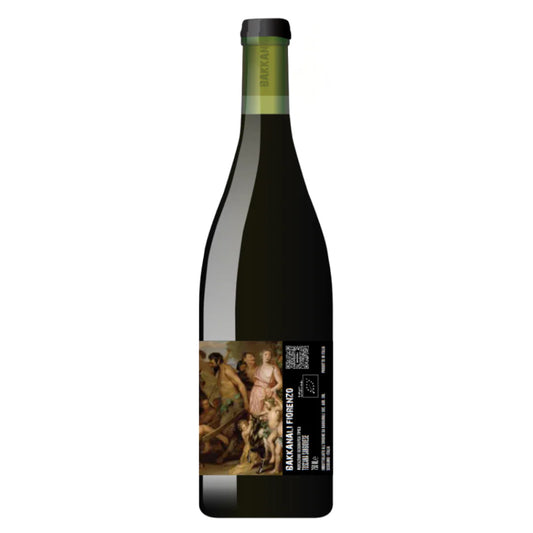
Bakkanali Fiorenzo Toscana IGT 2022
Regular price €48,95 EURRegular priceUnit price per -
 Organic
 Italian agriculture
IT-BIO-007
Italian agriculture
IT-BIO-007
Bakkanali Fiorenzo Toscana IGT 2023
Regular price €49,95 EURRegular priceUnit price per -
Bakkanali K Toscana IGT 2022
Regular price €19,95 EURRegular priceUnit price per -
 Organic
Italian agriculture
IT-BIO-007
Organic
Italian agriculture
IT-BIO-007
Bakkanali K Toscana IGT 2024
Regular price €20,95 EURRegular priceUnit price per -
 Organic
Italian agriculture
IT-BIO-007
Organic
Italian agriculture
IT-BIO-007
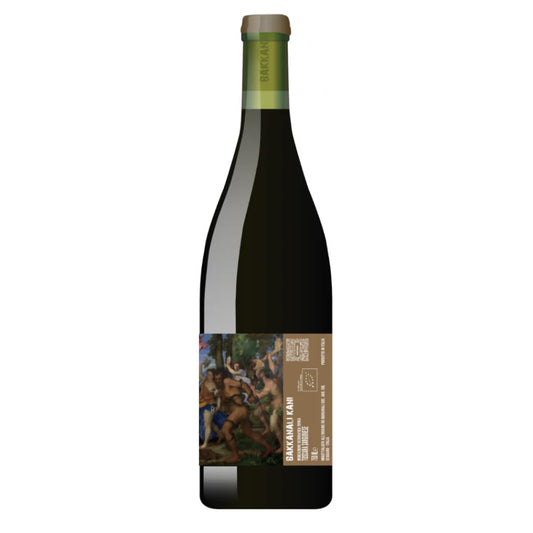
Bakkanali KANI Toscana IGT 2023
Regular price €42,95 EURRegular priceUnit price per -
Bakkanali ROSSO IGT Toscana Rosso 2022
Regular price €39,95 EURRegular priceUnit price per -
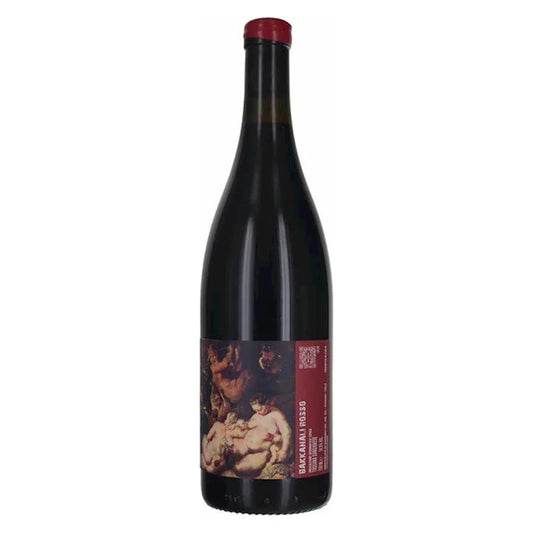
Bakkanali ROSSO IGT Toscana Rosso 2023
Regular price €32,95 EURRegular priceUnit price per€39,95 EURSale price €32,95 EURSale -
 Organic
Italian agriculture
IT-BIO-007
Organic
Italian agriculture
IT-BIO-007
Bakkanali ROSSO IGT Toscana Rosso 2024
Regular price €29,95 EURRegular priceUnit price per -
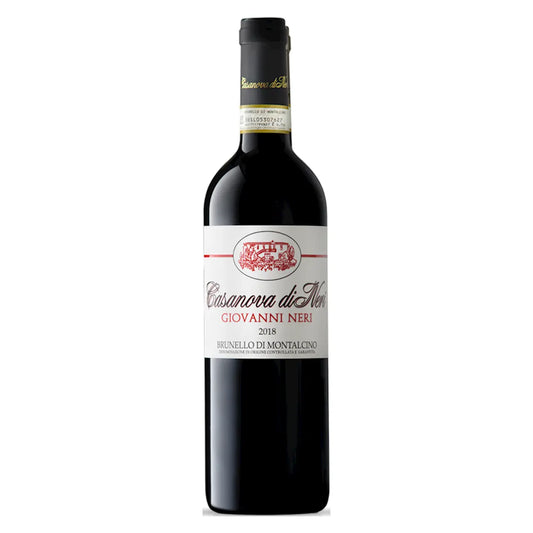
Casanova di Neri Brunello di Montalcino Giovanni Neri DOCG 2018
Regular price €300,95 EURRegular priceUnit price per -
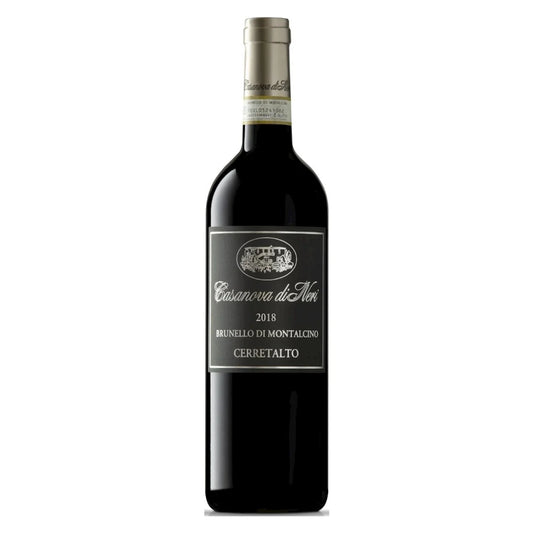
Casanova di Neri Brunello di Montalcino Cerretalto DOCG 2018
Regular price €487,95 EURRegular priceUnit price per -
Casanova di Neri Brunello di Montalcino Cerretalto DOCG 2018 1.5L
Regular price €1.008,95 EURRegular priceUnit price per -
Castell'in Villa Chianti Classico Riserva IN DOCG 2016
Regular price €375,95 EURRegular priceUnit price per -
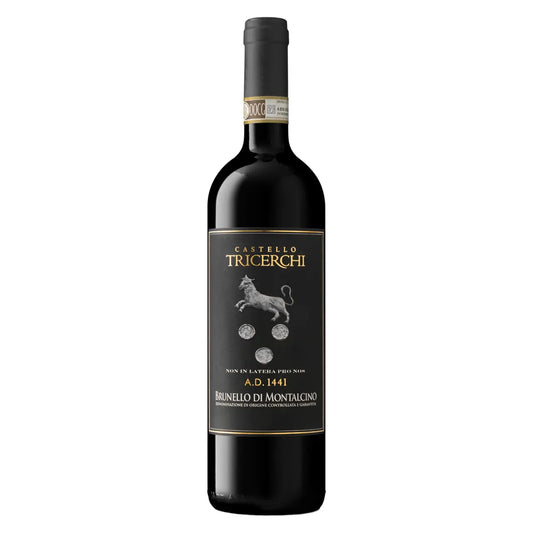
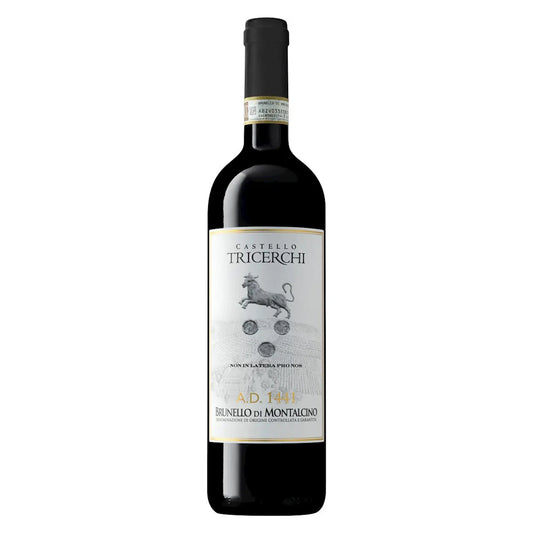
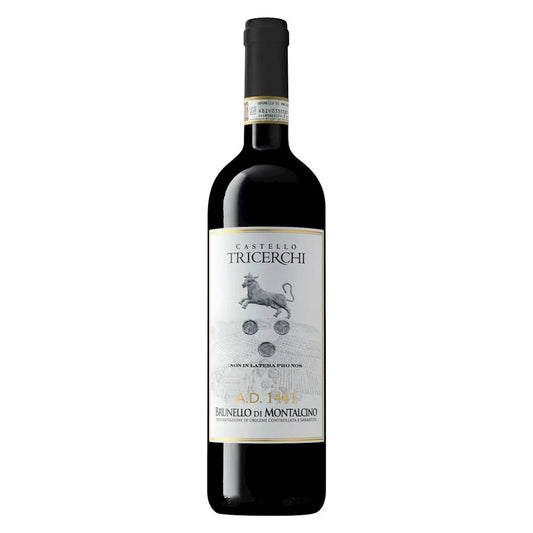
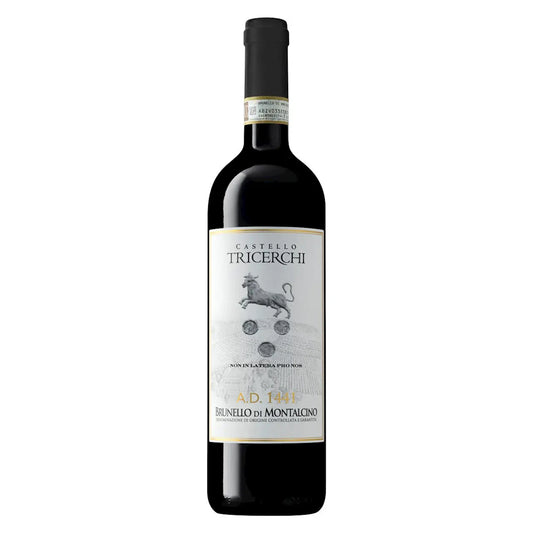
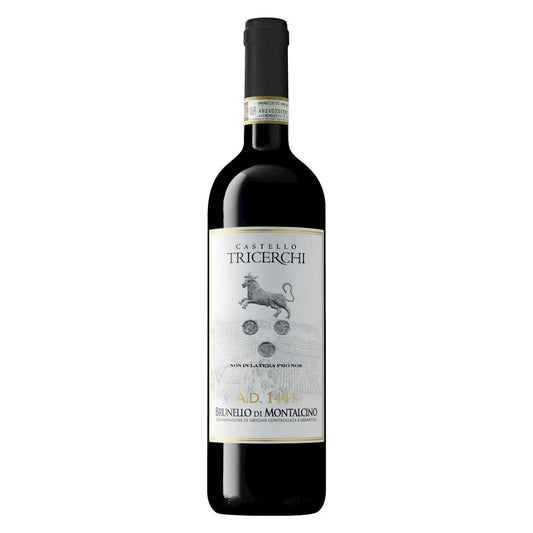
Castello Tricerchi Brunello di Montalcino AD 1441 DOCG 2013
Regular price €77,95 EURRegular priceUnit price per -
Castello Tricerchi Brunello di Montalcino AD 1441 DOCG 2016
Regular price €81,95 EURRegular priceUnit price per -
Castello Tricerchi Brunello di Montalcino AD 1441 DOCG 2017
Regular price €77,95 EURRegular priceUnit price per -
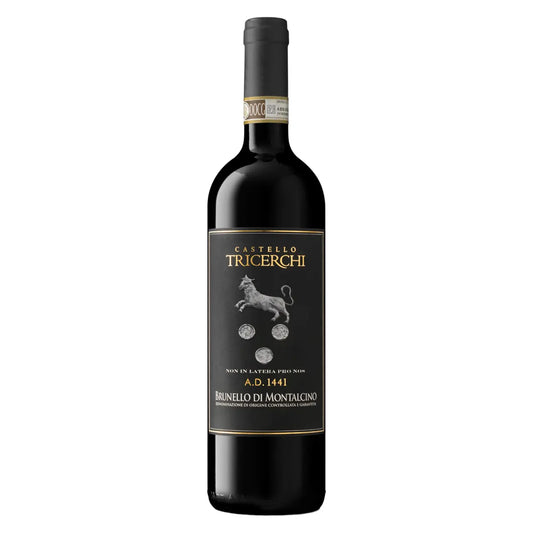
Castello Tricerchi Brunello di Montalcino A.D. 1441 DOCG 2019
Regular price €91,95 EURRegular priceUnit price per -
Castello Tricerchi Brunello di Montalcino A.D. 1441 DOCG 2019 1,5L
Regular price €197,95 EURRegular priceUnit price per -
Castello Tricerchi Brunello di Montalcino A.D. 1441 DOCG 2020
Regular price €90,95 EURRegular priceUnit price per -
 Organic
Italian agriculture
IT-BIO-004
Organic
Italian agriculture
IT-BIO-004
Castello Tricerchi Brunello di Montalcino A.D. 1441 DOCG 2021
Regular price €92,95 EURRegular priceUnit price per -
Castello Tricerchi Brunello di Montalcino DOCG 2019 1,5L
Regular price €127,95 EURRegular priceUnit price per -
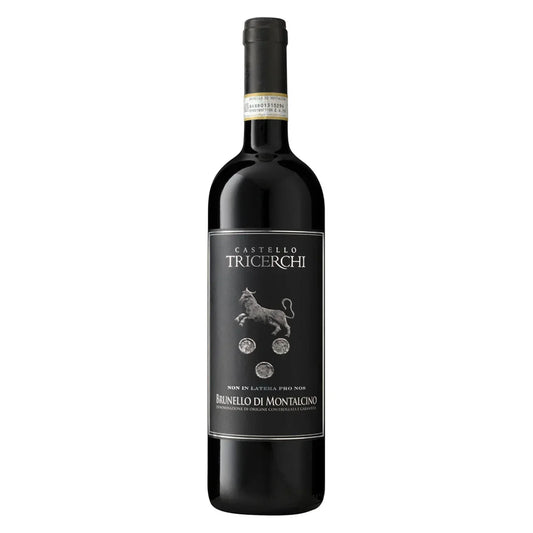
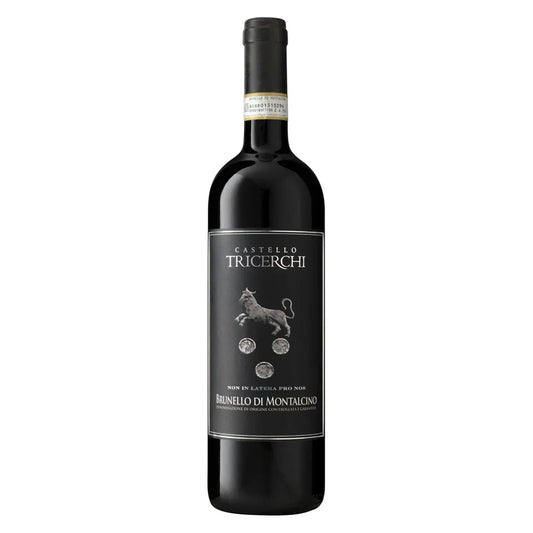
Castello Tricerchi Brunello di Montalcino DOCG 2020
Regular price €49,95 EURRegular priceUnit price per -
Castello Tricerchi Brunello di Montalcino DOCG 2021
Regular price €51,95 EURRegular priceUnit price per -
 Organic
Italian agriculture
IT-BIO-004
Organic
Italian agriculture
IT-BIO-004
Castello Tricerchi Iuli'o 2024 1,5L
Regular price €34,95 EURRegular priceUnit price per -
 Organic
Italian agriculture
IT-BIO-004
Organic
Italian agriculture
IT-BIO-004
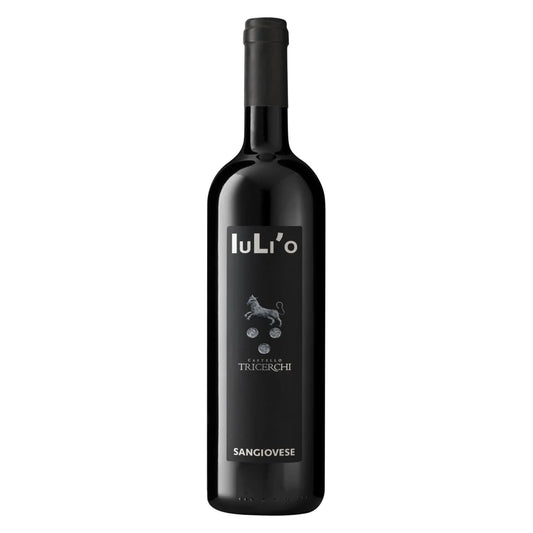
Castello Tricerchi Iuli'o 2025
Regular price €15,95 EURRegular priceUnit price per -

Castello Tricerchi Nen'a Rosato IGP 2025
Regular price €15,95 EURRegular priceUnit price per -
 Organic
Italian agriculture
IT-BIO-004
Organic
Italian agriculture
IT-BIO-004
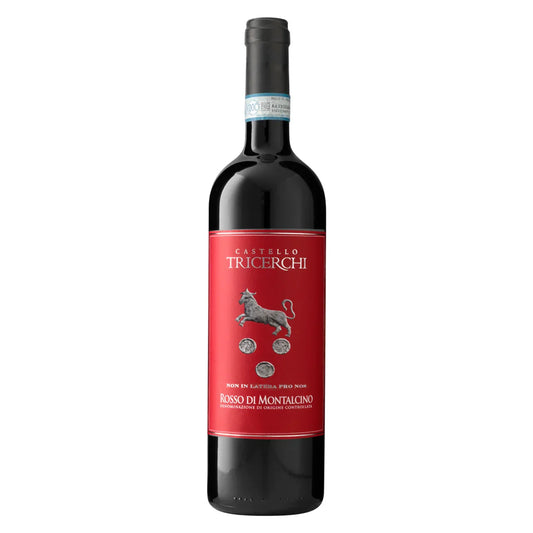
Castello Tricerchi Rosso di Montalcino DOC 2023
Regular price €23,95 EURRegular priceUnit price per -
 Organic
Italian agriculture
IT-BIO-004
Organic
Italian agriculture
IT-BIO-004
Castello Tricerchi Rosso di Montalcino DOC 2024
Regular price €25,95 EURRegular priceUnit price per -
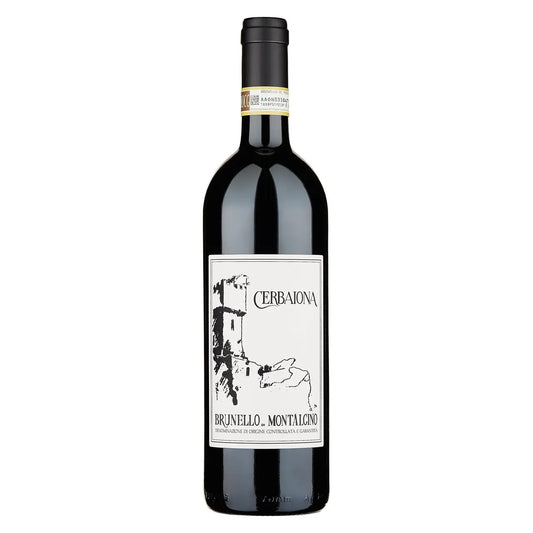
Cerbaiona Brunello di Montalcino DOCG 2017
Regular price €234,95 EURRegular priceUnit price per -
Cerbaiona Brunello di Montalcino DOCG 2017 1.5L
Regular price €524,95 EURRegular priceUnit price per -
Collection Castelnuovo dell'Abarte - Limited edition - 6 bottles of Mastrojanni & Podere Le Ripi in OWC
Regular price €463,95 EURRegular priceUnit price per -
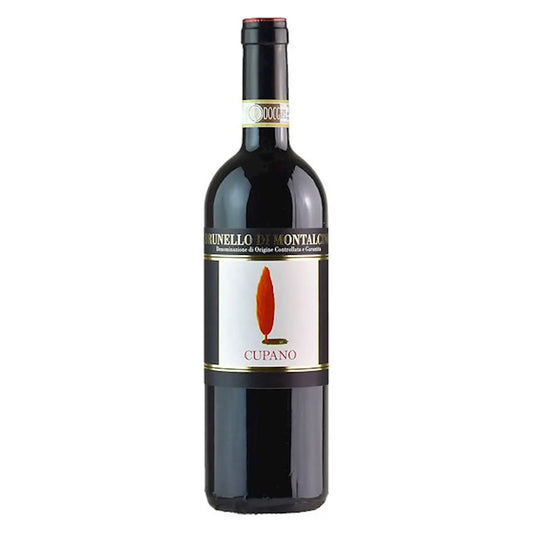
Cupano Brunello di Montalcino DOCG 2018
Regular price €116,95 EURRegular priceUnit price per -
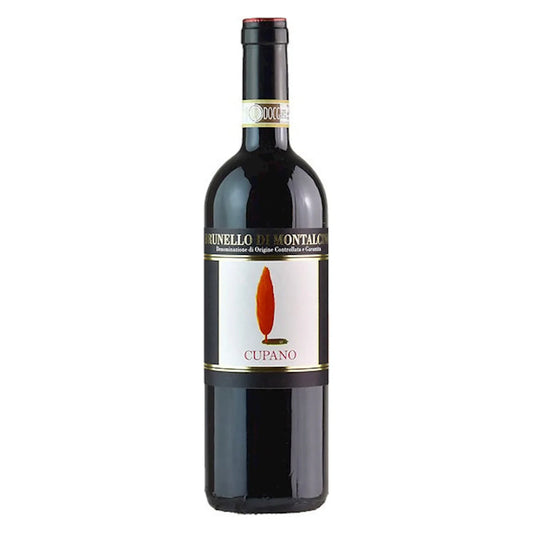
Cupano Brunello di Montalcino DOCG 2019
Regular price €124,95 EURRegular priceUnit price per -
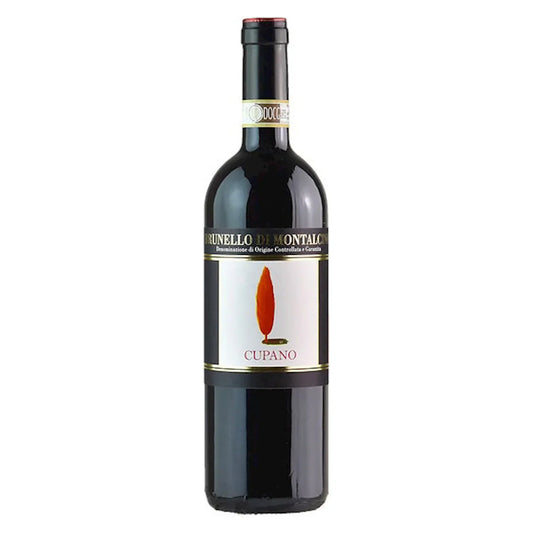
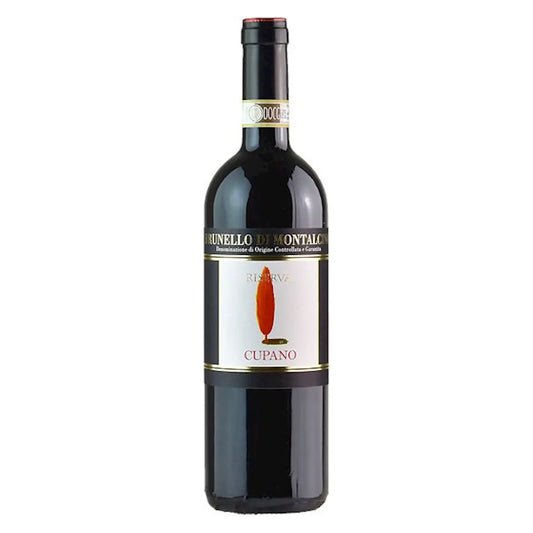
Cupano Brunello di Montalcino DOCG 2020
Regular price €126,95 EURRegular priceUnit price per -
 99 POINTSOrganic
Italian agriculture
IT-BIO-015
99 POINTSOrganic
Italian agriculture
IT-BIO-015
Cupano Brunello di Montalcino Riserva DOCG 2015 1,5L
Regular price €566,95 EURRegular priceUnit price per -
 Organic
Italian agriculture
IT-BIO-015
Organic
Italian agriculture
IT-BIO-015
Cupano Rosso di Montalcino DOC 2020
Regular price €53,95 EURRegular priceUnit price per -
 Organic
Italian agriculture
IT-BIO-015
Organic
Italian agriculture
IT-BIO-015
Cupano Rosso di Montalcino DOC 2022
Regular price €60,95 EURRegular priceUnit price per









Sangiovese is one of the central grapes in Italian red wine, and Tuscany is the heart of our selection. Here you can explore Brunello di Montalcino, Chianti Classico and wines with Toscana IGT on the label. The selection also includes bottles from Umbria. Start with the style you love, and then compare appellation, vintage and wine description.
The same grape can offer different experiences. Sangiovese is often associated with red fruit, fresh acidity and distinct tannin, but body and development depend on where it is grown and how it is vinified. Some wines have a more immediately fruity expression, while others show more structure or the mark of ageing. It is therefore useful to read about the specific wine rather than expecting one shared taste.
In Brunello di Montalcino, Sangiovese is used, which is known locally as Brunello. Chianti Classico also has Sangiovese as its principal grape, but may contain other permitted red grape varieties. The two appellations have different rules and geographical boundaries. In a broad grape category like this, you can therefore encounter both wines made from Sangiovese alone and blends in which the grape plays an important role.
Feel free to choose with the meal in mind. For pasta, grilled meat or aged cheese, freshness and tannin can be good pointers, but the sauce and the dish's richness should also be part of the choice. A more structured wine gives a different experience than a lighter, fruitier version. At the same time, read about the vintage and the wine's development if you are considering keeping the bottle for later.
If you want to get closer to a particular origin, you can continue to Brunello di Montalcino or Chianti Classico. Use the pages to compare the wines within each appellation, and return to Sangiovese when you want to see the grape's broader range. Then you can choose based on both place and taste, whether the wine is to accompany a dinner or be the starting point for a comparison of Italian red wines.