
-
 SOLD OUT
Ca' Di Press Barolo Perno DOCG 2022
Regular price €76,95 EURRegular priceUnit price per -
Ca' Di Press Barolo Perno DOCG 2022 1,5L
Regular price €169,95 EURRegular priceUnit price per -
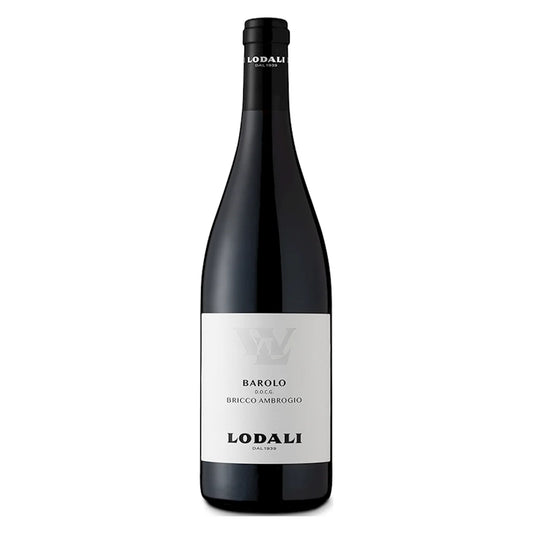
Lodali Barolo Bricco Ambrogio DOCG 2021 1,5L
Regular price €98,95 EURRegular priceUnit price per -
Lodali Barolo Bricco Ambrogio DOCG 2022
Regular price €42,95 EURRegular priceUnit price per -
Lodali Bricco Ambrogio Barolo DOCG 2020 1,5L
Regular price €94,95 EURRegular priceUnit price per -
 92 POINTS
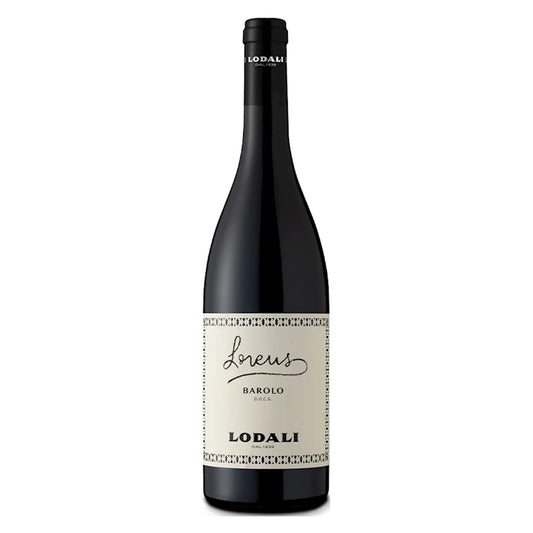
Lodali Lorens Barolo DOCG 2018
Regular price €68,95 EURRegular priceUnit price per -
 93 POINTS
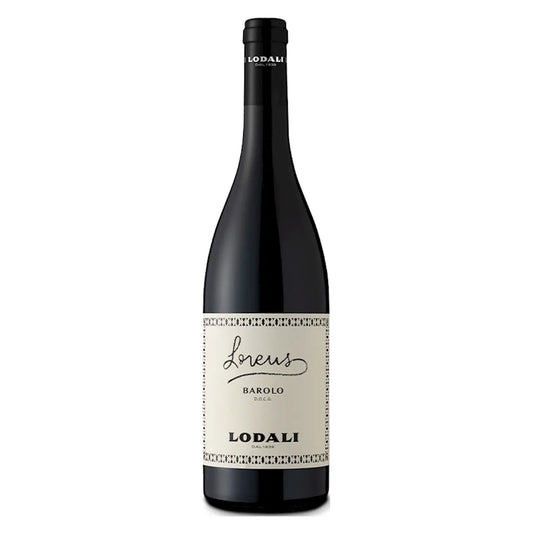
Lodali Lorens Barolo DOCG 2019
Regular price €69,95 EURRegular priceUnit price per -
 91 POINTS
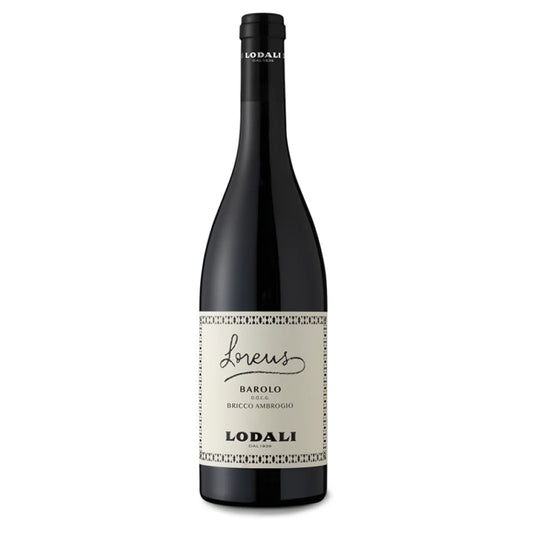
Lodali Lorens Barolo DOCG 2020
Regular price €69,95 EURRegular priceUnit price per -
 93 POINTS
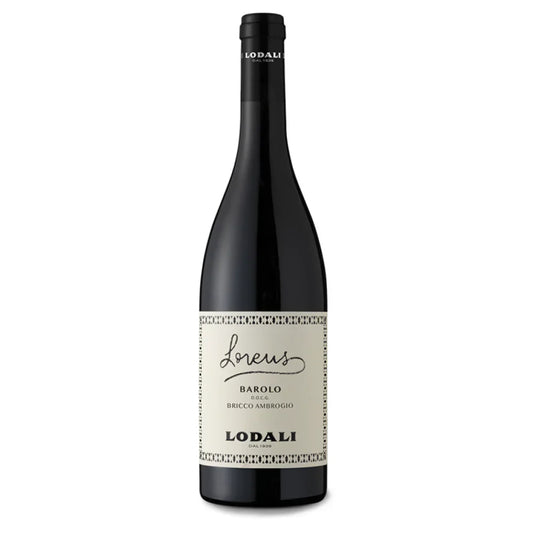
Lodali Lorens Barolo DOCG 2021
Regular price €70,95 EURRegular priceUnit price per -
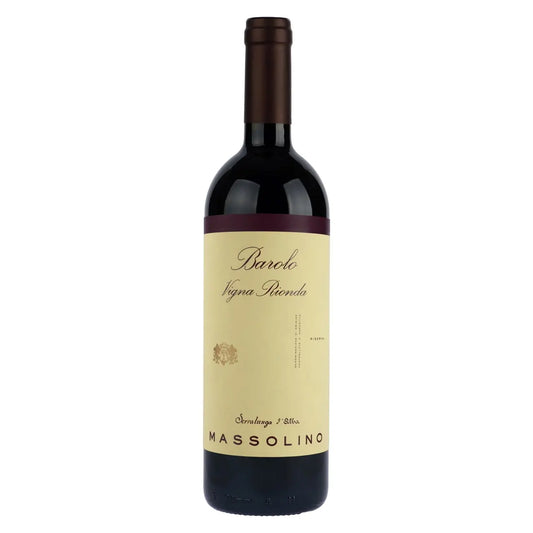
Massolino Barolo Vigna Rionda Riserva DOCG 2017
Regular price €190,95 EURRegular priceUnit price per -
 94 POINTS
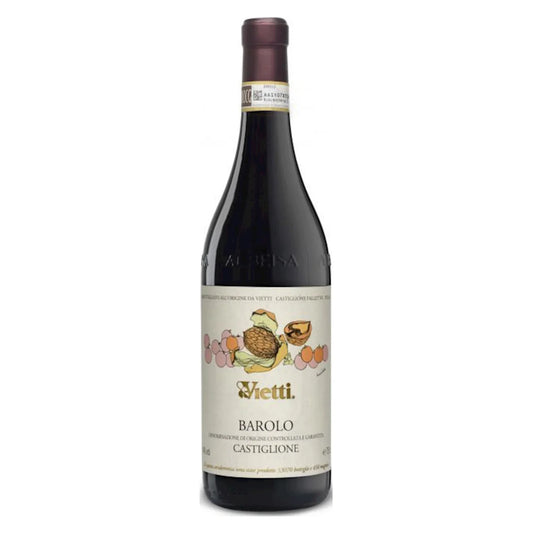
Vietti Barolo Castiglione DOCG 2020
Regular price €58,95 EURRegular priceUnit price per


Barolo DOCG is a red wine made from Nebbiolo from Langhe in Piemonte. Here you will find our selection of Barolo, so you can compare vintages, vineyard names and flavour profiles. The grape often gives distinct tannin and fresh acidity, but the wines vary in both body and maturity. The individual bottle is therefore the best starting point when you make your choice.
Barolo is made exclusively from Nebbiolo in a defined area that covers all or parts of eleven municipalities. On the labels you may encounter more precise geographical names, which help place the wine's origin. Our selection includes, among others, wines with the names Perno, Bricco Ambrogio and Vigna Rionda. The names are useful to know when you want to compare growing sites.
The rules require at least 38 months of maturation counted from 1 November of the harvest year, of which at least 18 months in wood. For Barolo Riserva the minimum is 62 months, also with at least 18 months in wood. The ageing requirements describe the framework before sale. They are not a general recommendation for when all vintages and bottles should be drunk.
You may encounter red berries, flowers and spicy or more developed aromas, but the balance depends on both vintage and vinification. For a meal it is worth considering hearty dishes, for example braised meat or mushrooms, and choosing according to the wine's specific structure. If you want to lay down a bottle, you should also read about the individual wine and assess your storage conditions.
If you want to understand the grape's range, you can compare Barolo with our other wines made from Nebbiolo. Barbaresco offers another appellation to hold it up against. Use the comparison to explore fruit, tannin and maturation across specific bottles. It gives a better basis for choosing than expecting one uniform style from all wines with Barolo on the label.