
-
 Organic
 Italian agriculture
IT-BIO-007
Italian agriculture
IT-BIO-007
Bakkanali KAB IGT Toscana Rosso 2024
Regular price €33,95 EURRegular priceUnit price per -
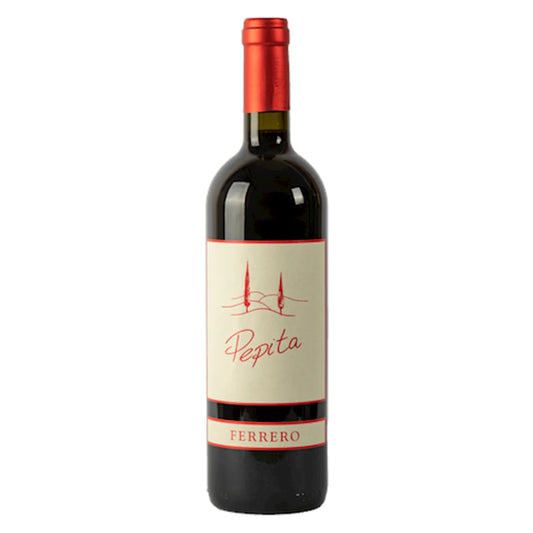
Ferrero Pepita Toscana IGT 2021
Regular price €19,95 EURRegular priceUnit price per -
 Organic
Italian agriculture
IT-BIO-015
Organic
Italian agriculture
IT-BIO-015
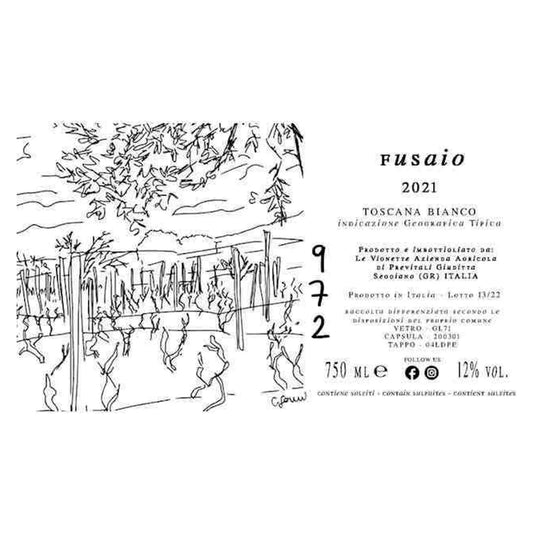
Le Vignette Fusaio Toscana Bianco IGT 2022
Regular price €25,95 EURRegular priceUnit price per -
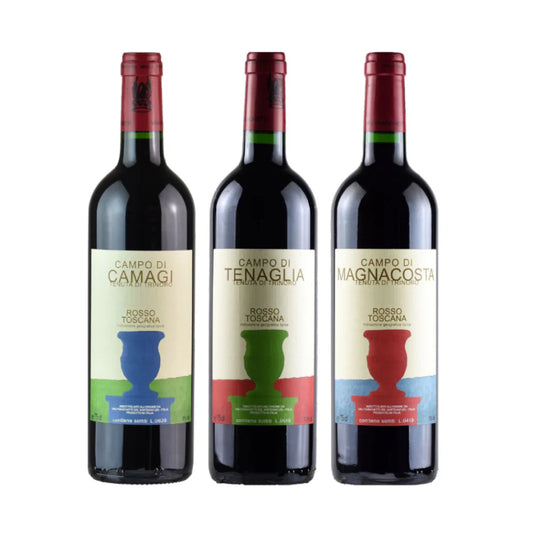
Magnum Collection Tenuta di Trinoro Rosso di Toscana IGT 2021 3 x 1,5L
Regular price €689,95 EURRegular priceUnit price per -
Mastrojanni San Pio Tuscany IGT 2020
Regular price €28,95 EURRegular priceUnit price per -
 Organic
Italian agriculture
IT-BIO-006
Organic
Italian agriculture
IT-BIO-006
Mastrojanni Trebbiano Toscana IGT 2024
Regular price €29,95 EURRegular priceUnit price per -
 Organic
Italian agriculture
IT-BIO-006
Organic
Italian agriculture
IT-BIO-006
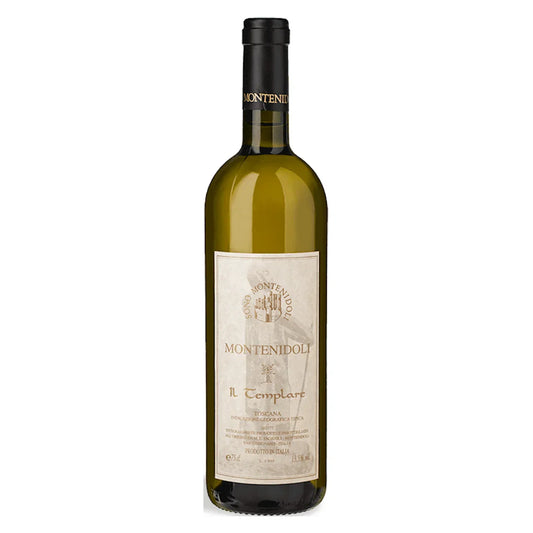
Montenidoli Il Templare Toscana IGT Bianco 2021
Regular price €36,95 EURRegular priceUnit price per -
 Organic
Italian agriculture
IT-BIO-006
Organic
Italian agriculture
IT-BIO-006
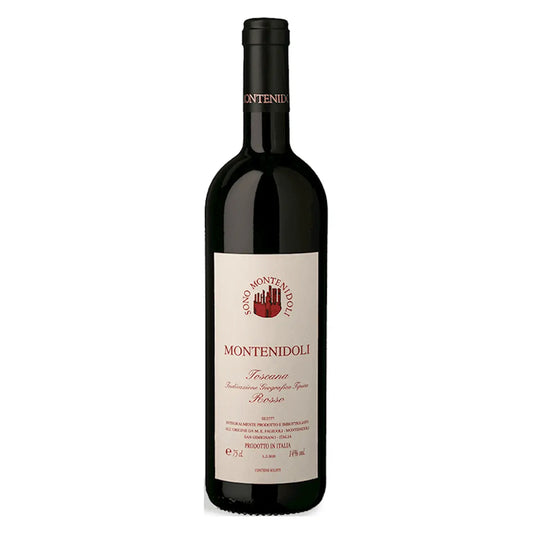
Montenidoli Toscana IGT Rosso 2019
Regular price €23,95 EURRegular priceUnit price per -
 Organic
Italian agriculture
IT-BIO-006
Organic
Italian agriculture
IT-BIO-006
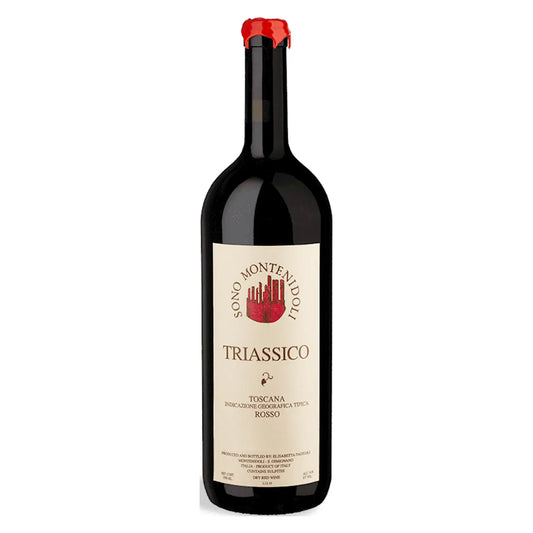
Montenidoli Triassico Toscana IGT Rosso 2010 1.5L
Regular price €405,95 EURRegular priceUnit price per -
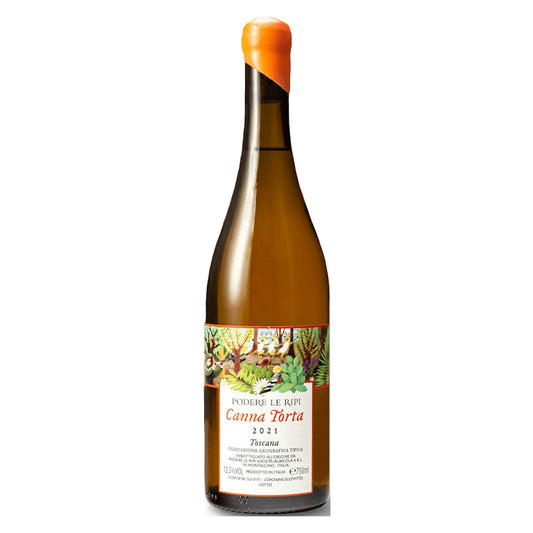
Podere Le Ripi Canna Torta Toscana Bianco IGT 2022
Regular price €32,95 EURRegular priceUnit price per -
 Organic
Italian agriculture
IT-BIO-006
Organic
Italian agriculture
IT-BIO-006
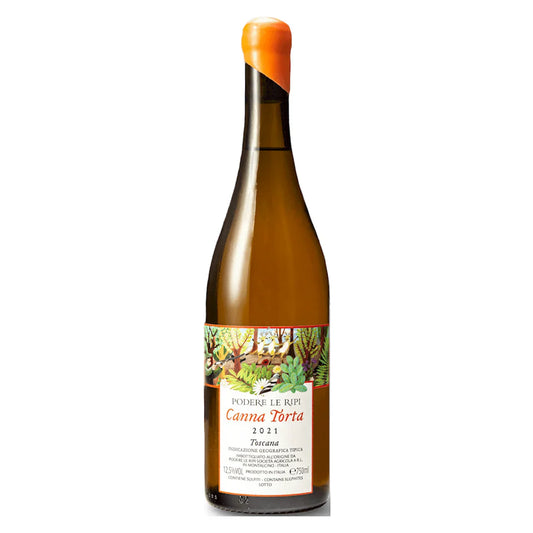
Podere Le Ripi Canna Torta Toscana Bianco IGT 2023
Regular price €28,95 EURRegular priceUnit price per -
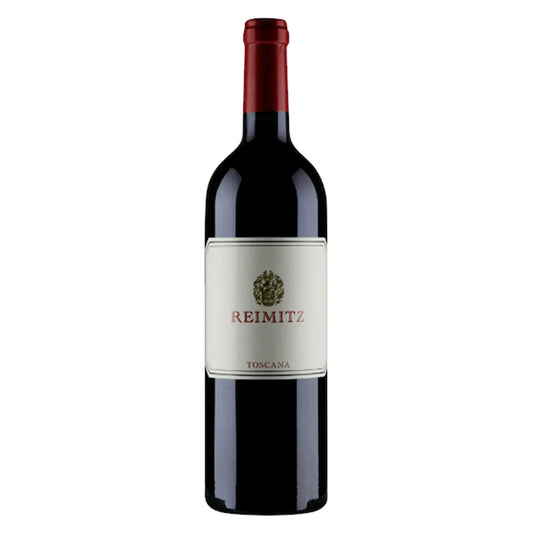
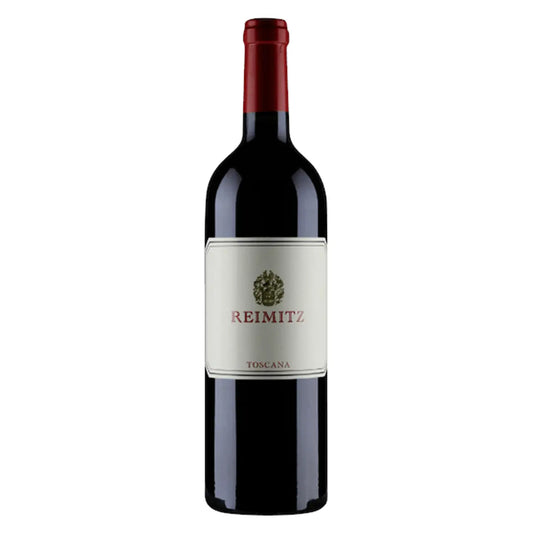
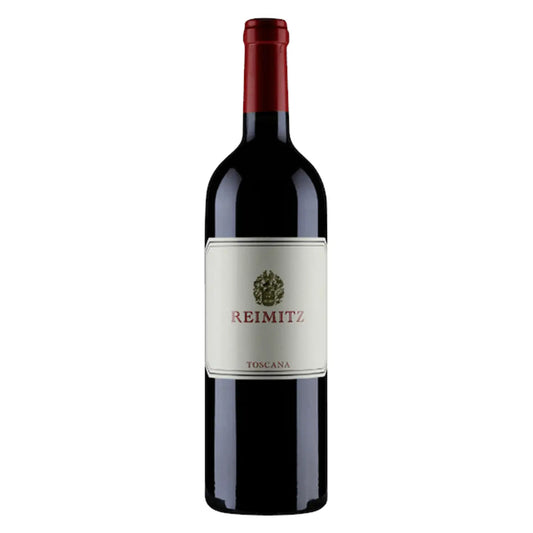
Reimitz Sangiovese Rosso Toscana IGT 2017
Regular price €131,95 EURRegular priceUnit price per -
Reimitz Sangiovese Rosso Toscana IGT 2017 1.5L
Regular price €262,95 EURRegular priceUnit price per -
Reimitz Sangiovese Rosso Toscana IGT 2017 3.0L
Regular price €568,95 EURRegular priceUnit price per -
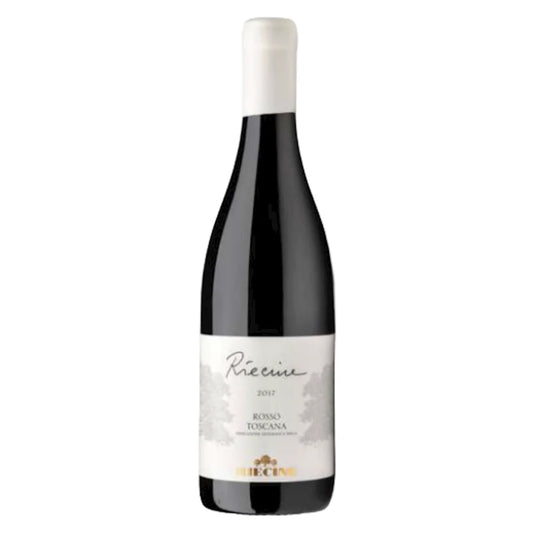
Riecine di Riecine IGT 2021
Regular price €72,95 EURRegular priceUnit price per -
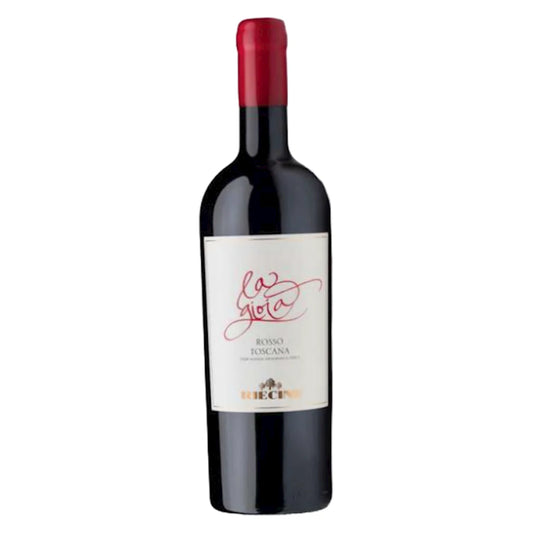
Riecine La Gioia IGT 2020
Regular price €64,95 EURRegular priceUnit price per -
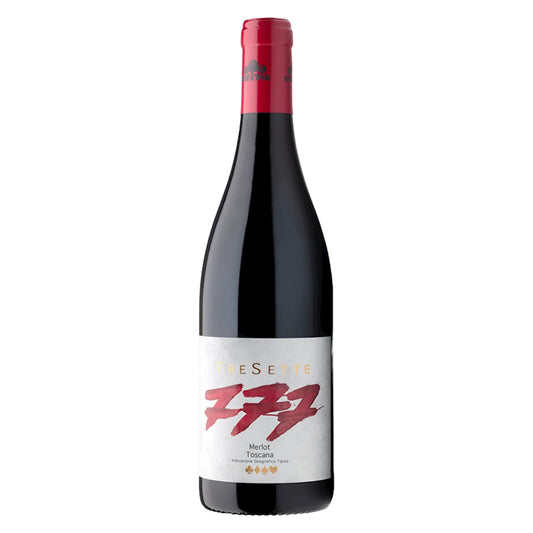
Riecine TreSette Merlot IGT 2018
Regular price €81,95 EURRegular priceUnit price per -
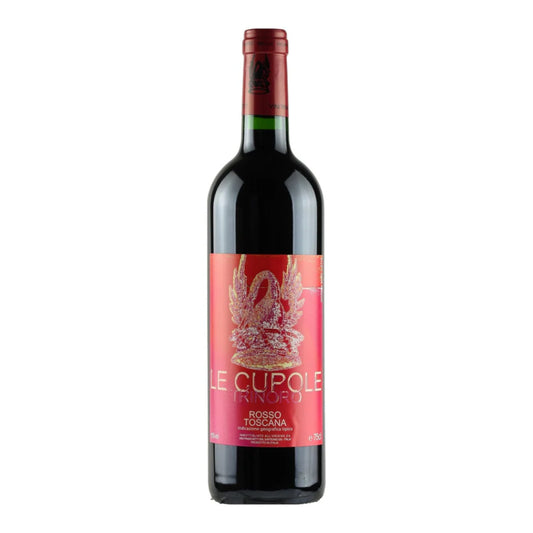
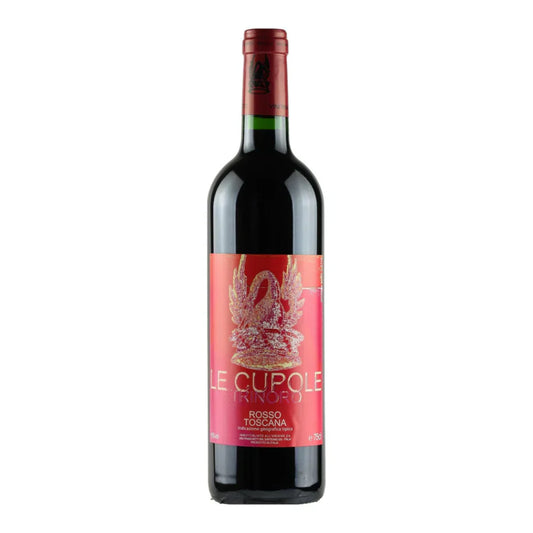
Tenuta di Trinoro Le Cupole Rosso di Toscana IGT 2022
Regular price €40,95 EURRegular priceUnit price per -
Tenuta di Trinoro Le Cupole Rosso di Toscana IGT 2022 1,5L
Regular price €88,95 EURRegular priceUnit price per -
Tenuta di Trinoro Le Cupole Rosso di Toscana IGT 2023
Regular price €40,95 EURRegular priceUnit price per -
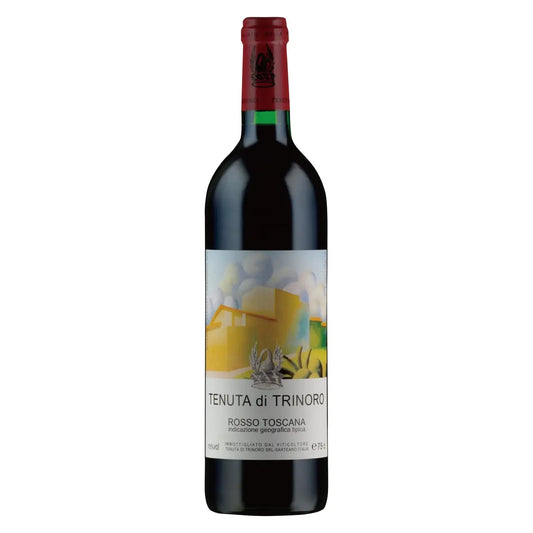
Tenuta di Trinoro Rosso di Toscana IGT 2021
Regular price €423,95 EURRegular priceUnit price per -
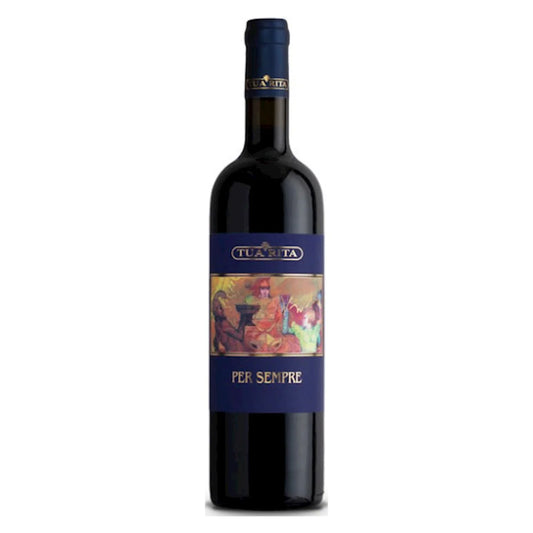 98 POINTS
Tua Rita Per Semper Syrah 2021
Regular price €192,95 EURRegular priceUnit price per




Toscana IGT is the designation that gives winemakers the freedom to go their own way. Where the rules for Vernaccia di San Gimignano DOCG only permit up to 10 percent grapes that are not Vernaccia, some producers around San Gimignano instead choose to blend in, for example, Chardonnay or Vermentino and label the wine as IGT. In this way they work outside the strict framework and can experiment more freely with both white and red grapes.
To understand the field, it is worth looking at the area the wines spring from. Around the medieval town of San Gimignano, Vernaccia di San Gimignano is grown, a dry white wine made from the Vernaccia grape, which grows exclusively here. The name vernaccia comes from Latin and means something along the lines of native, and the wine is documented in the town's records all the way back to the 13th century. It was celebrated by the poet Dante Alighieri and later mentioned by Francesco Redi in the work Bacco in Toscana from 1685. The area became Italy's first DOC in 1966 and gained DOCG status in 1993, so the white-wine tradition runs deep.
Vernaccia is more aromatic and structured than Trebbiano, but lighter in body than the fuller white wines. The high-altitude vineyards and the calcareous, often sandy soils contribute to precisely that structured, aromatic style. A well-made Vernaccia di San Gimignano is characterised by floral aromas and a hint of bitter almond on the finish. Some producers also work with international techniques such as oak barrel ageing to give the wines more body and complexity.
Under the IGT designation you will therefore find both aromatic white wines and more unconventional blends. Several producers in the area have also turned their focus towards red wines made from Sangiovese, so the field holds more than white wine alone. If you want to explore the region more broadly, you can dive into our selection from Toscana and the rest of Italien.