
-
 99 POINTSOrganic
 Italian agriculture
IT-BIO-015
Italian agriculture
IT-BIO-015
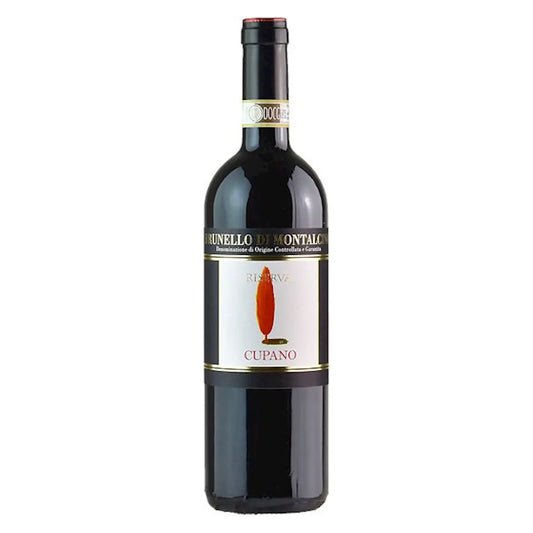
Cupano Brunello di Montalcino Riserva DOCG 2015 1,5L
Regular price €539,95 EURRegular priceUnit price per -
 Organic
Italian agriculture
IT-BIO-015
Organic
Italian agriculture
IT-BIO-015
Cupano Les Oiseaux Aux D'oulan Bator IGT 2023
Regular price €62,95 EURRegular priceUnit price per -
 Organic
Italian agriculture
IT-BIO-015
Organic
Italian agriculture
IT-BIO-015
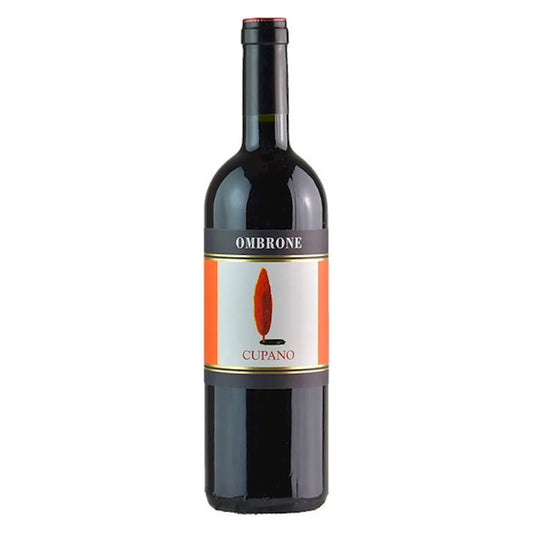
Cupano Ombrone Sant'Antimo DOC Rosso 2020
Regular price €50,95 EURRegular priceUnit price per -
 Organic
Italian agriculture
IT-BIO-015
Organic
Italian agriculture
IT-BIO-015
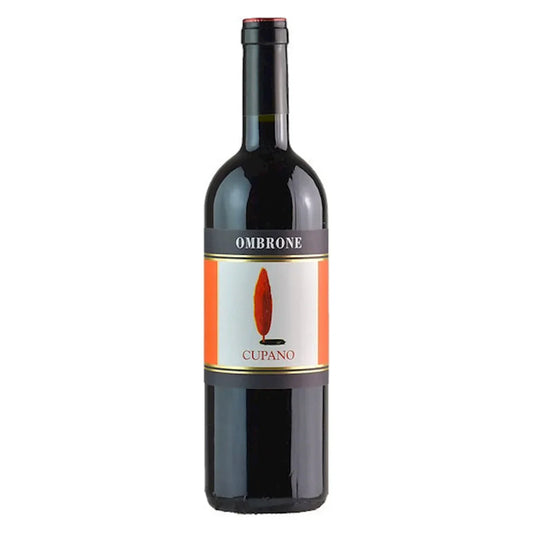
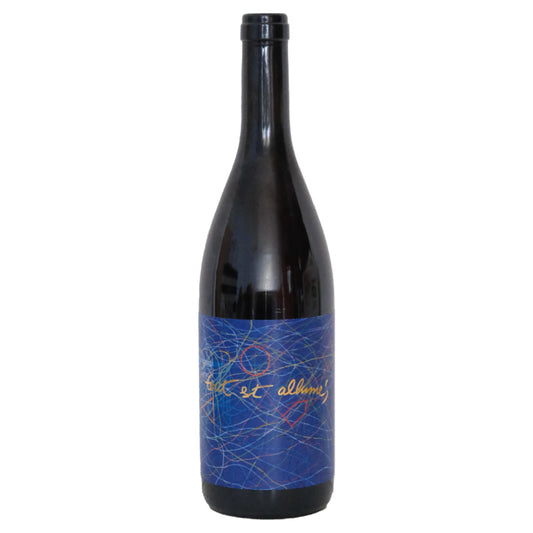
Cupano Ombrone Sant'Antimo DOC Rosso 2021
Regular price €57,95 EURRegular priceUnit price per -
 Organic
Italian agriculture
IT-BIO-015
Organic
Italian agriculture
IT-BIO-015
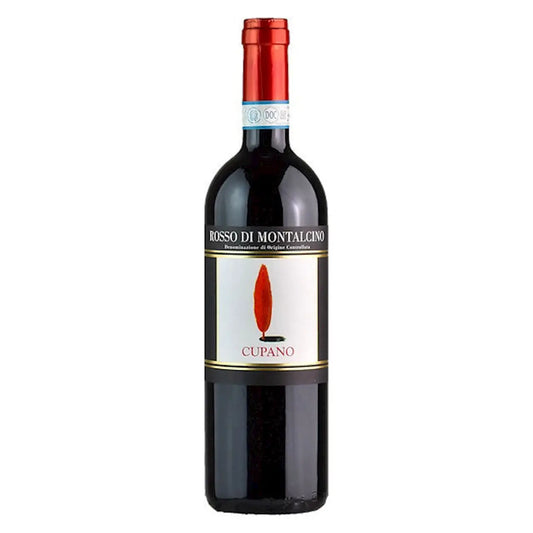
Cupano Rosé de Terroir 2022
Regular price €48,95 EURRegular priceUnit price per -
 Organic
Italian agriculture
IT-BIO-015
Organic
Italian agriculture
IT-BIO-015
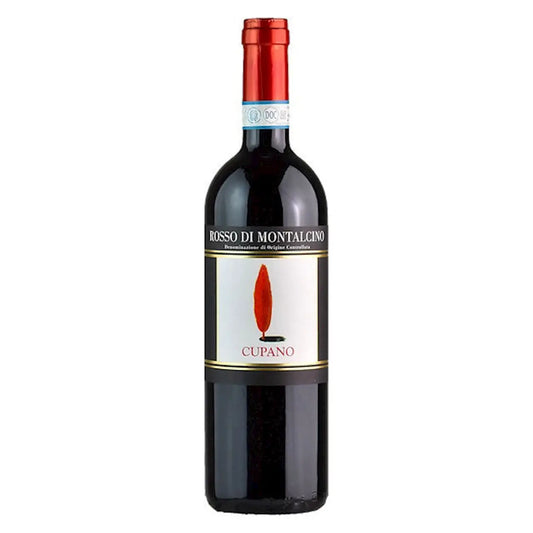
Cupano Rosso di Montalcino DOC 2020
Regular price €50,95 EURRegular priceUnit price per -
 Organic
Italian agriculture
IT-BIO-015
Organic
Italian agriculture
IT-BIO-015
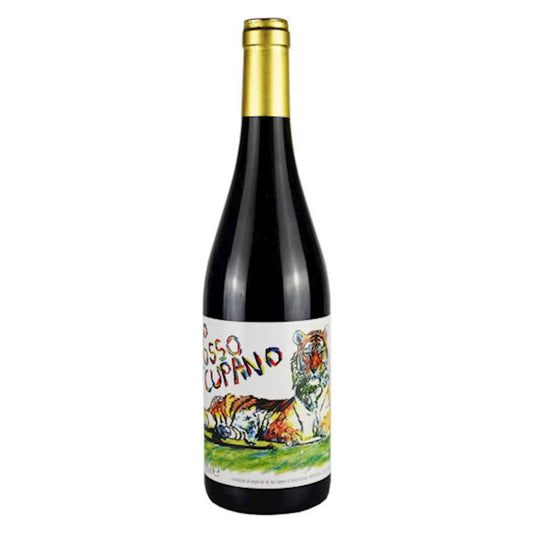
Cupano Rosso di Montalcino DOC 2022
Regular price €57,95 EURRegular priceUnit price per -
Cupano Vino Rosso
Regular price €32,95 EURRegular priceUnit price per -
 93 POINTS
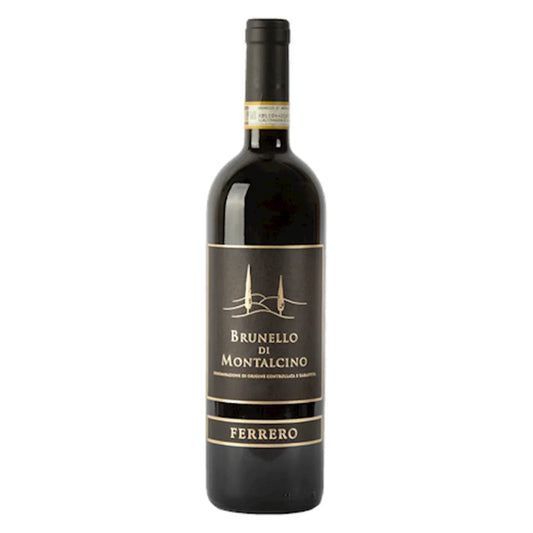
Ferrero Brunello di Montalcino DOCG 2020
Regular price €41,95 EURRegular priceUnit price per -
 93 POINTS
Ferrero Brunello di Montalcino DOCG 2021
Regular price €41,95 EURRegular priceUnit price per -
Ferrero Brunello di Montalcino Riserva DOCG 2019
Regular price €78,95 EURRegular priceUnit price per -
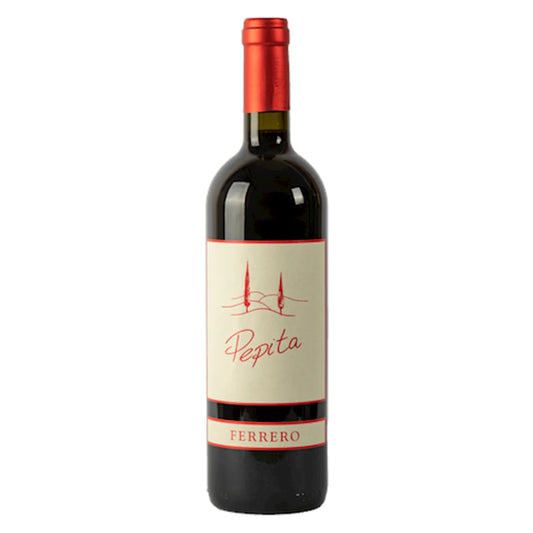
Ferrero Pepita Toscana IGT 2021
Regular price €18,95 EURRegular priceUnit price per -
 Organic
Italian agriculture
IT-BIO-014
Organic
Italian agriculture
IT-BIO-014
Il Molino di Grace Gratius Collection 2017, 2018 & 2019
Regular price €213,95 EURRegular priceUnit price per -
 Organic
Italian agriculture
IT-BIO-014
Organic
Italian agriculture
IT-BIO-014
Il Molino di Grace Gratius IGT 2013
Regular price €43,95 EURRegular priceUnit price per -
Il Molino di Grace Gratius IGT 2015
Regular price €56,95 EURRegular priceUnit price per -
Il Molino di Grace Gratius IGT 2016
Regular price €57,95 EURRegular priceUnit price per -
Il Molino di Grace Gratius IGT 2019
Regular price €57,95 EURRegular priceUnit price per -
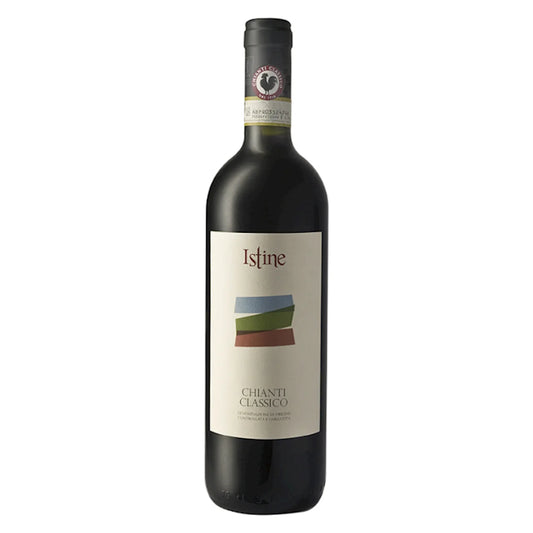
Istine Chianti Classico DOCG 2022
Regular price €23,95 EURRegular priceUnit price per -
 95 POINTSOrganic
Italian agriculture
IT-BIO-014
95 POINTSOrganic
Italian agriculture
IT-BIO-014
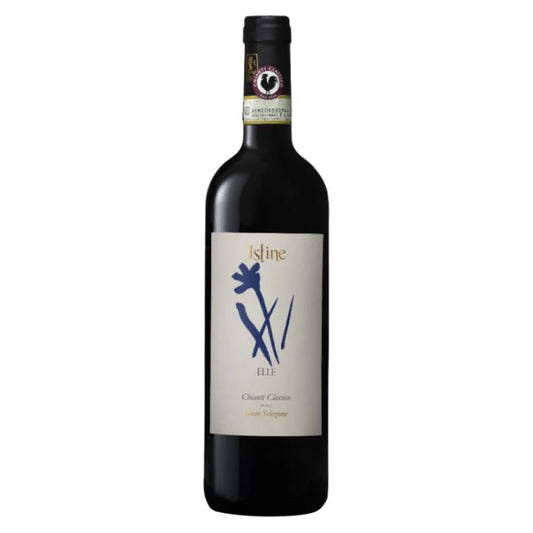
Istine Elle Chianti Classico Gran Selezione DOCG 2022
Regular price €51,95 EURRegular priceUnit price per -
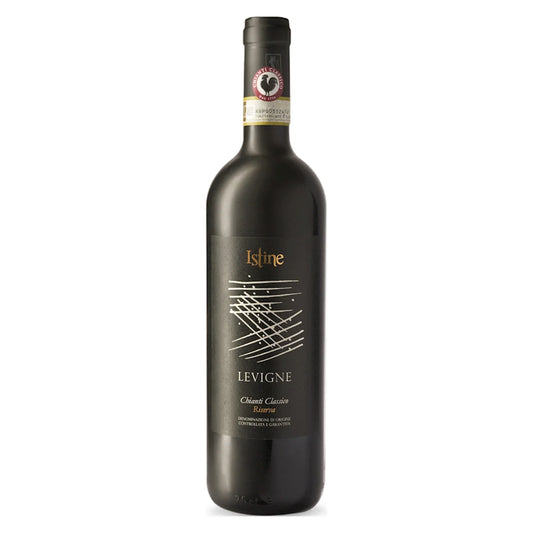
Istine Levigne Chianti Classico Riserva DOCG 2020
Regular price €46,95 EURRegular priceUnit price per -
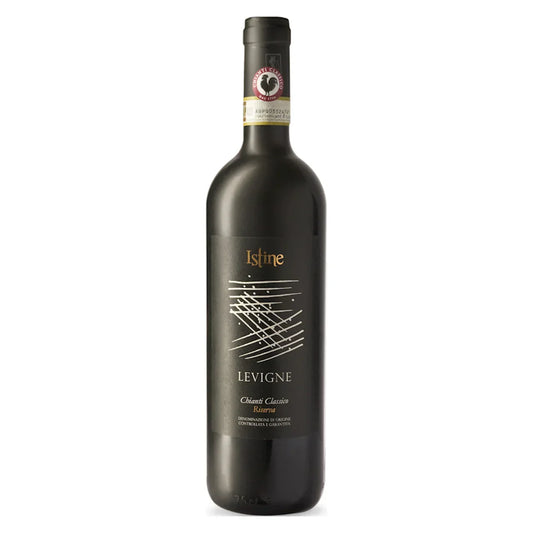
Istine Levigne Chianti Classico Riserva DOCG 2021
Regular price €46,95 EURRegular priceUnit price per -
 95 POINTSOrganic
Italian agriculture
IT-BIO-014
95 POINTSOrganic
Italian agriculture
IT-BIO-014
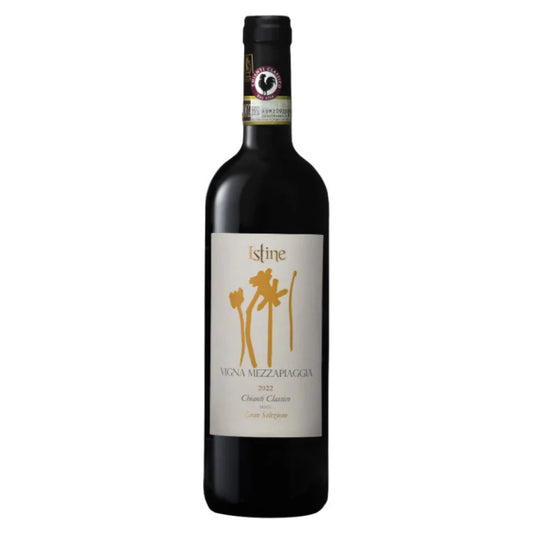
Istine Mezzapiaggia Chianti Classico Gran Selezione DOCG 2022
Regular price €51,95 EURRegular priceUnit price per -
 96 POINTSOrganic
Italian agriculture
IT-BIO-014
96 POINTSOrganic
Italian agriculture
IT-BIO-014
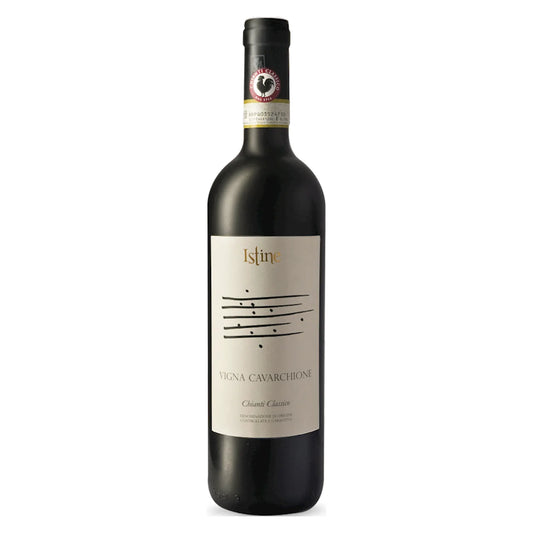
Istine Vigna Casanova dell'Aia Gran Selezione DOCG 2021
Regular price €50,95 EURRegular priceUnit price per -
 95 POINTSOrganic
Italian agriculture
IT-BIO-014
95 POINTSOrganic
Italian agriculture
IT-BIO-014
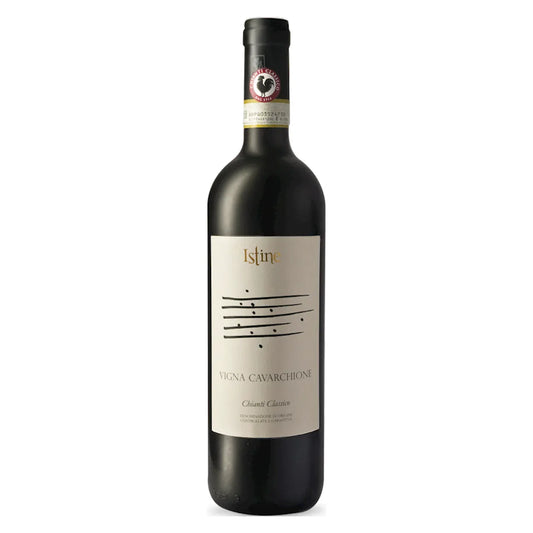
Istine Vigna Casanova dell'Aia Gran Selezione DOCG 2022
Regular price €51,95 EURRegular priceUnit price per -
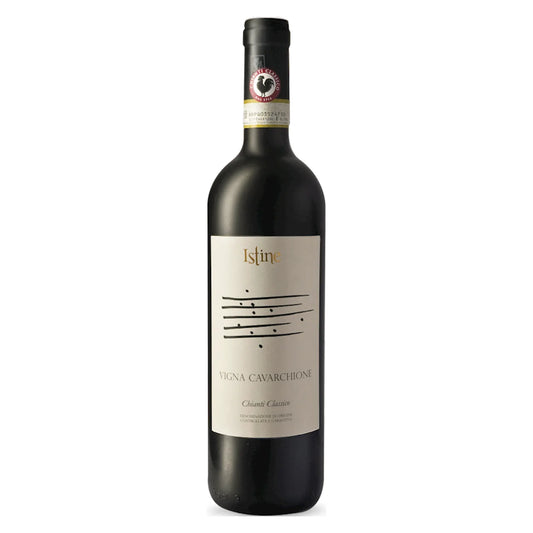
Istine Vigna Cavarchione Gran Selezione DOCG 2021
Regular price €50,95 EURRegular priceUnit price per -
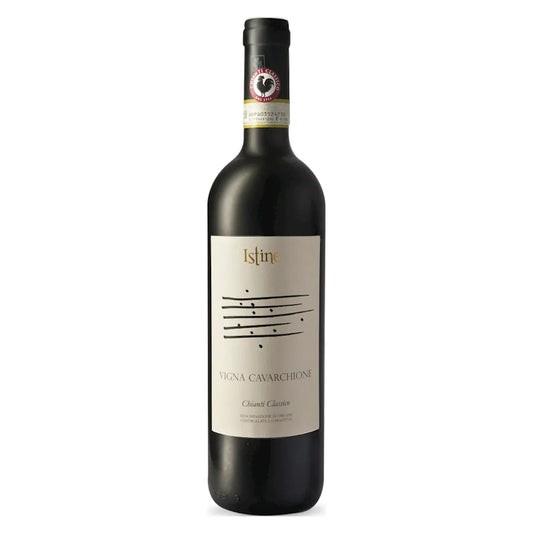
Istine Vigna Cavarchione Gran Selezione DOCG 2022
Regular price €51,95 EURRegular priceUnit price per -
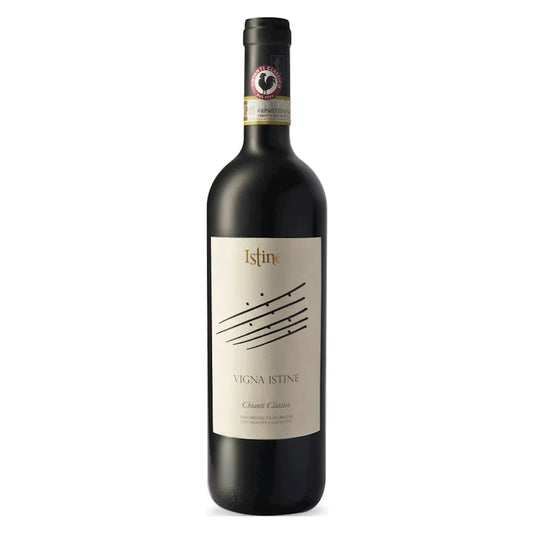
Istine Vigna Istine Gran Selezione DOCG 2022
Regular price €51,95 EURRegular priceUnit price per -
 Organic
Italian agriculture
IT-BIO-004
Organic
Italian agriculture
IT-BIO-004
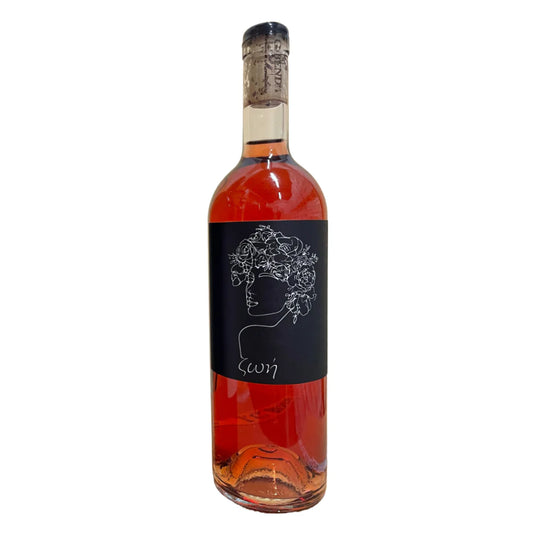
J. G. Benda 'Zoe' Rosato IGT 2024
Regular price €30,95 EURRegular priceUnit price per -
 93 POINTSOrganic
Italian agriculture
IT-BIO-004
SOLD OUT
93 POINTSOrganic
Italian agriculture
IT-BIO-004
SOLD OUTJ. G. Benda Brunello di Montalcino DOC 2021
Regular price €111,95 EURRegular priceUnit price per -
 96 POINTSOrganic
Italian agriculture
IT-BIO-004
SOLD OUT
96 POINTSOrganic
Italian agriculture
IT-BIO-004
SOLD OUTJ. G. Benda Pietrafocaia di Sopra IGP 2021
Regular price €143,95 EURRegular priceUnit price per -

J. G. Benda Rosso di Montalcino DOC 2023
Regular price €59,95 EURRegular priceUnit price per -

J. G. Benda Rosso di Montalcino DOC 2023 1,5L
Regular price €133,95 EURRegular priceUnit price per -
 97+ POINTS
Le Ragnaie Brunello di Montalcino DOCG 2020
Regular price €79,95 EURRegular priceUnit price per -
Le Ragnaie Brunello di Montalcino DOCG 2020 1,5L
Regular price €167,95 EURRegular priceUnit price per -
Le Ragnaie Brunello di Montalcino DOCG 2021
Regular price €79,95 EURRegular priceUnit price per -
Le Ragnaie Brunello di Montalcino DOCG 2021 1,5L
Regular price €167,95 EURRegular priceUnit price per

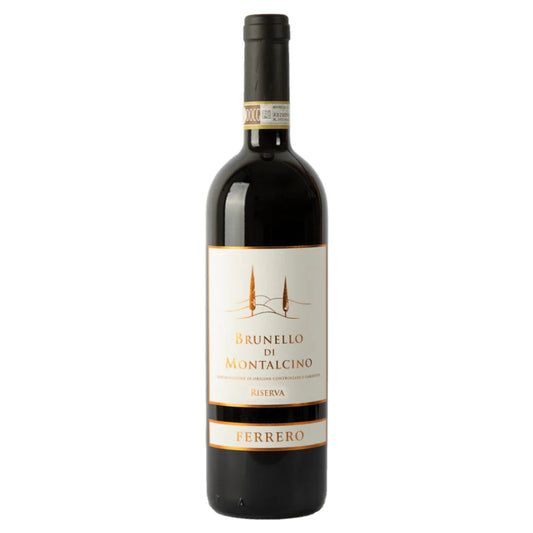


Wine from Tuscany makes up a large part of our Italian selection. Here you can explore Brunello di Montalcino, Chianti Classico, Rosso di Montalcino and wines under Toscana IGT. The selection lets you compare both vintages and styles, from wines with fresh fruit to more mature expressions.
Tuscany lies in central Italy and encompasses both the inland hills and areas along the coast. Sangiovese plays a central role in many of the region's red wines, but the grape does not offer one fixed flavour profile. Growing site, vintage, any other grapes and vinification all influence how acidity, tannin and fruit are experienced in the glass.
If you want to start with Sangiovese from a defined appellation, you can explore Brunello di Montalcino. Chianti Classico is another entry point to the grape and the area. Both names have their own rules for origin and production. Compare specific bottles if you want to understand the differences, rather than expecting one appellation always to be more powerful or more mature than the other.
Tuscany is also more than its most well-known red wine names. In our selection you will find, among others, Toscana IGT, rosé wine and white Vernaccia di San Gimignano. The IGT designation tells you about a geographic origin and its associated rules, but is not a description of one particular grape or flavour. So read the grape composition and the wine description when you compare different bottles under the same designation.
For dinner, it is useful first to choose the wine's colour and the level of body you enjoy. After that you can use vintage, appellation and tasting notes to navigate further through the selection. A wine for a simple pasta dish need not have the same structure as a wine for a hearty meat dish. Let the meal and your own preferences be the starting point when you choose wine from Tuscany.