
-
 SALE - SAVE 21%
Weingut Stigler PN Pinot Noir 2020
Regular price €17,95 EURRegular priceUnit price per€22,95 EURSale price €17,95 EURSale -
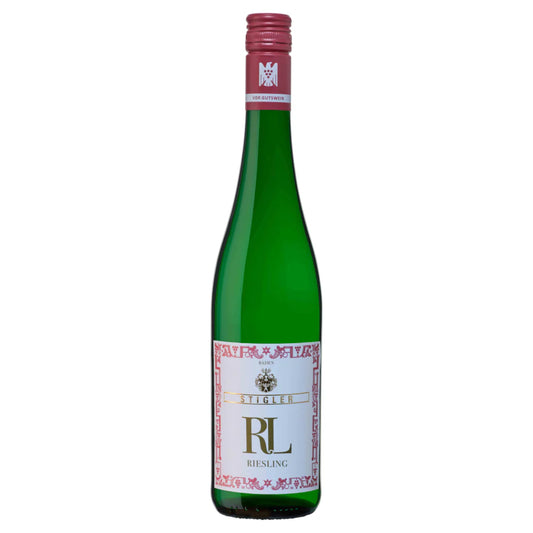 SALE - SAVE 21%
Weingut Stigler RL Riesling 2024
Regular price €14,95 EURRegular priceUnit price per€18,95 EURSale price €14,95 EURSale -
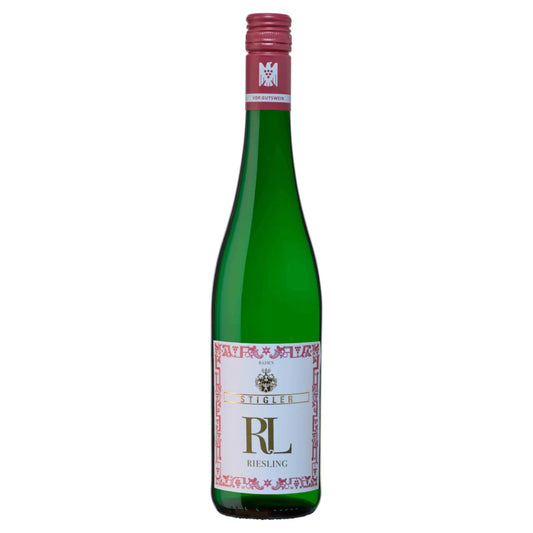 SALE - SAVE 27%
Weingut Stigler RL Riesling 2023
Regular price €12,95 EURRegular priceUnit price per€17,95 EURSale price €12,95 EURSale -

Weingut Stigler Pinot Noir 2018
Regular price €15,95 EURRegular priceUnit price per€22,95 EURSale price €15,95 EURSale -

Weingut Stigler Ihringen Pagode Chardonnay GG 2020
Regular price €40,95 EURRegular priceUnit price per€51,95 EURSale price €40,95 EURSale -
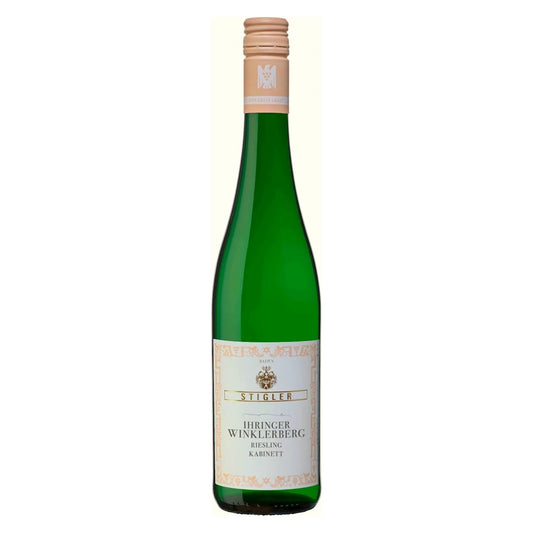
Weingut Stigler Ihringen Winklerberg Riesling Kabinett VDP. Erste Lage 2022
Regular price €19,95 EURRegular priceUnit price per€23,95 EURSale price €19,95 EURSale -
Weingut Stigler Ihringen Winklerberg Silvaner trocken 1G VDP. 2020
Regular price €17,95 EURRegular priceUnit price per€25,95 EURSale price €17,95 EURSale -
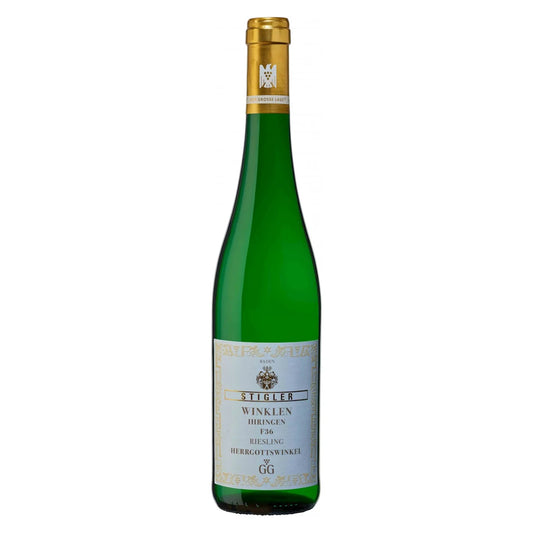 SALE - SAVE 20%
Weingut Stigler Ihringen Winklen Riesling F 36 GG VDP. 2020
Regular price €33,95 EURRegular priceUnit price per€42,95 EURSale price €33,95 EURSale -
 SALE - SAVE 30%
Weingut Stigler Freiburg Schlossberg Chardonnay GG VDP. 2019
Regular price €35,95 EURRegular priceUnit price per€51,95 EURSale price €35,95 EURSale -
Weingut Stigler Winklerberg Ihringen Spätburgunder GG Pagode VDP. 2013
Regular price €45,95 EURRegular priceUnit price per€59,95 EURSale price €45,95 EURSale -
Weingut Stigler Winklerberg Ihringen Spätburgunder GG Pagode VDP. 2016
Regular price €44,95 EURRegular priceUnit price per€56,95 EURSale price €44,95 EURSale -

Weingut Stigler Freiburg Schlossberg Spätburgunder GG VDP. 2017
Regular price €38,95 EURRegular priceUnit price per€54,95 EURSale price €38,95 EURSale -
 SALE - SAVE 29%
Weingut Stigler Eichberg Oberrotweil Spätburgunder GG VDP. 2017
Regular price €39,95 EURRegular priceUnit price per€56,95 EURSale price €39,95 EURSale -
Weingut Stigler Vorderer Winklerberg Ihringen Spätburgunder GG Backöfele VDP. 2017
Regular price €38,95 EURRegular priceUnit price per€54,95 EURSale price €38,95 EURSale -
Weingut Stigler Ihringer Winklerberg Spätburgunder trocken VDP. Erste Lage 2016
Regular price €27,95 EURRegular priceUnit price per€34,95 EURSale price €27,95 EURSale




Baden stretches around 400 kilometres from north to south, from the Tauber valley in the north to Bodensee in the south, and with its roughly 15,000 hectares of vineyards it is Germany's third-largest wine district. The region holds a very special place in German wine: Baden is the only German wine area belonging to the EU's wine zone B, which reflects a warmer and sunnier climate than you otherwise find north of the Alps. The heart of this warmth is Kaiserstuhl, an extinct volcano that ranks among Germany's warmest places.
At Copenhagen Wine our German wines come from Baden precisely because the region is true Pinot country. The Pinot family covers 60 percent of the vineyards, and Baden is Germany's leading area for both Spätburgunder (Pinot Noir) and Weißburgunder (Pinot Blanc). If you want to understand Baden, this is where you begin. The full-bodied, sun-ripened Spätburgunder show a different side of German red wine, while Grauburgunder and Weißburgunder give white wines with both weight and freshness.
But Baden is far from only Pinot. The region consists of nine sub-areas that differ markedly in landscape and climate. In Markgräflerland close to the Swiss border, Gutedel is the speciality, while the area by Bodensee is known for both Pinot Noir and Müller-Thurgau. Riesling also has its place among the region's leading grapes, and overall the split is roughly two-thirds white and one-third red.
Another characteristic feature of Baden is the cooperatives, which market the majority of the region's wine. The large cooperative cellars in Breisach are among Europe's most extensive and have helped shape Baden's wine style. At the same time there is experimentation with newer grapes such as Souvignier Gris, which is more widespread here than anywhere else in Germany.
The majority of our Baden selection draws on precisely this combination of warmth, volcanic soil and Pinot tradition. If you are looking for German wine with southern fullness and a clear sense of place, Baden is an obvious place to dive in.