
-
Castell'in Villa Chianti Classico Riserva IN DOCG 2016
Regular price €375,95 EURRegular priceUnit price per -
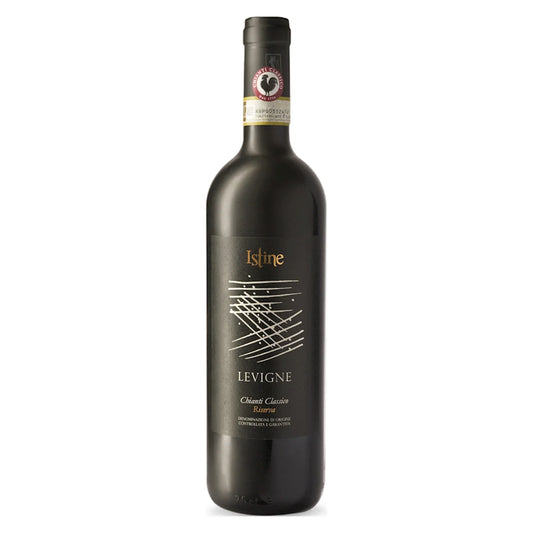
Istine Levigne Chianti Classico Riserva DOCG 2020
Regular price €48,95 EURRegular priceUnit price per -
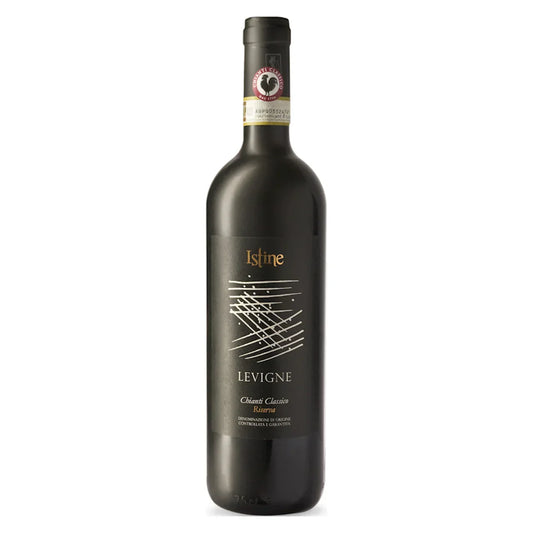
Istine Levigne Chianti Classico Riserva DOCG 2021
Regular price €48,95 EURRegular priceUnit price per -
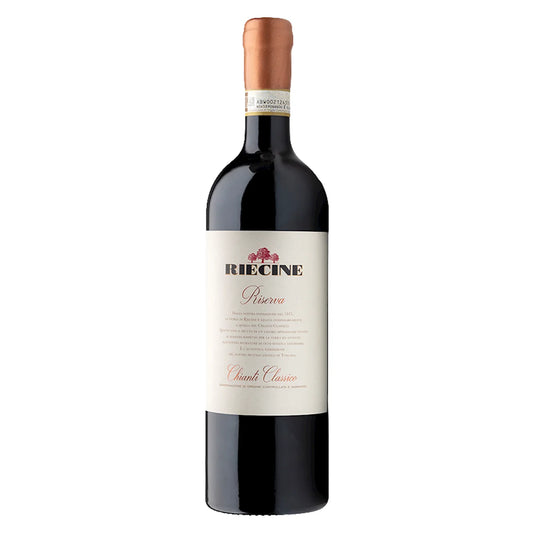
Riecine Chianti Classico Riserva DOCG 2021
Regular price €47,95 EURRegular priceUnit price per -
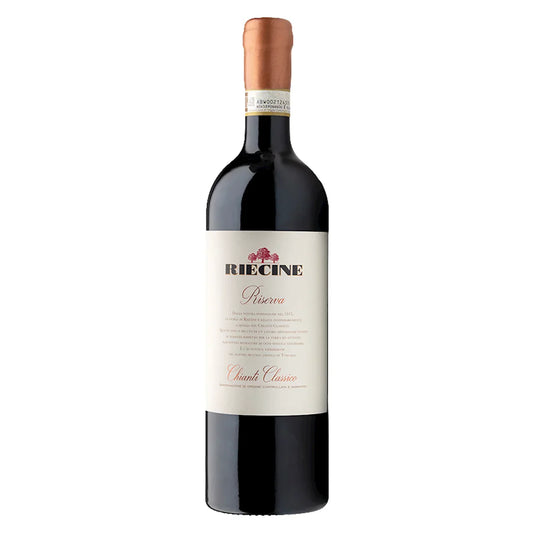
Riecine Chianti Classico Riserva DOCG 2022
Regular price €47,95 EURRegular priceUnit price per


Chianti Classico Riserva DOCG is a choice for those who want to explore Sangiovese from Tuscany with a longer ageing requirement. Here you can compare our Riserva wines by vintage and tasting description. Some bottles still show distinct fruit and firm tannin, while others have developed more evolved nuances. Look at the individual wine when you choose for dinner or the cellar.
Riserva belongs in the demarcated Chianti Classico area between Florence and Siena. The wine must contain at least 80 percent Sangiovese, and the rest can be other authorised red grape varieties. The grape's acidity and tannin are central to the style, but the blend, the growing site and the vintage can all affect the balance in the glass.
The particular ageing requirement is at least 24 months, of which at least three months in bottle. Riserva thereby tells you something concrete about the maturation before sale. The designation does not, however, in itself say how much new oak has been used, or whether the wine is ready to drink now. Look for those details in the description of the specific bottle.
A comparison with Chianti Classico can make the differences in freshness, tannin and maturation easier to understand. You can also explore Chianti Classico Gran Selezione, where the requirements for, among other things, the origin of the grapes and the minimum ageing are different. Use the categories as guides, and let the taste profile decide which direction you prefer.
With food, Riserva can be interesting alongside roasted meat, mushrooms, a rich pasta dish or firm, aged cheeses. A young and firm wine can be experienced differently at the table than a more mature vintage, even though both are Riserva. Therefore consider both the meal and your wishes for fruit and structure. If you want to keep the wine, the choice should also take account of the individual vintage and your storage conditions.