
-
Montefocaia Brunello di Montalcino DOCG 2021
Regular price €67,95 EURRegular priceUnit price per -
 96 POINTSOrganic
 Italian agriculture
IT-BIO-006
Podere Le Ripi Cielo d'Ulisse Brunello di Montalcino DOCG 2021
Regular price €60,95 EURRegular priceUnit price per -
Collevante Brunello di Montalcino DOCG 2021
Regular price €67,95 EURRegular priceUnit price per -
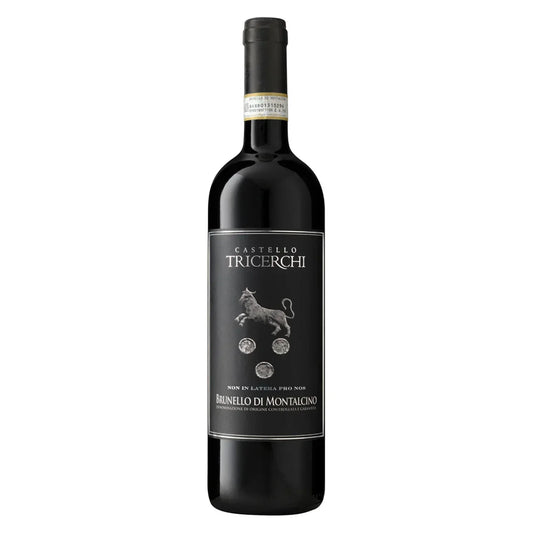
Castello Tricerchi Brunello di Montalcino DOCG 2021
Regular price €51,95 EURRegular priceUnit price per -
Mastrojanni Brunello di Montalcino DOCG 2021
Regular price €64,95 EURRegular priceUnit price per -
Le Ragnaie C. Montosoli Brunello di Montalcino DOCG 2020
Regular price €139,95 EURRegular priceUnit price per -
 93 POINTSOrganic
Italian agriculture
IT-BIO-004
SOLD OUT
J. G. Benda Brunello di Montalcino DOC 2021
Regular price €118,95 EURRegular priceUnit price per -
 93 POINTS
Ferrero Brunello di Montalcino DOCG 2021
Regular price €44,95 EURRegular priceUnit price per -
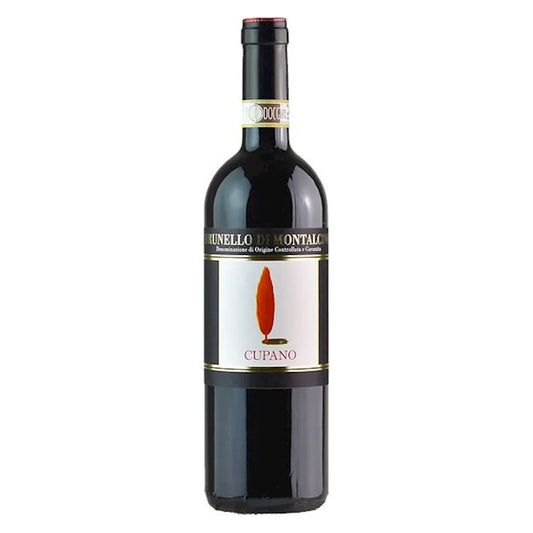
Cupano Brunello di Montalcino DOCG 2020
Regular price €126,95 EURRegular priceUnit price per -
 Organic
Italian agriculture
IT-BIO-006
Podere Le Ripi Amore e Magia Brunello di Montalcino DOCG 2021
Regular price €96,95 EURRegular priceUnit price per -
Mastrojanni Vigna Loreto Brunello di Montalcino DOCG 2021
Regular price €122,95 EURRegular priceUnit price per -
Le Ragnaie Brunello di Montalcino DOCG 2020 1,5L
Regular price €175,95 EURRegular priceUnit price per -
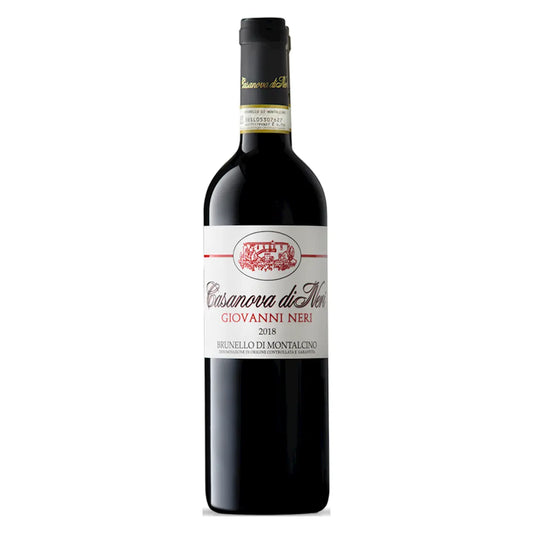
Casanova di Neri Brunello di Montalcino Giovanni Neri DOCG 2018
Regular price €300,95 EURRegular priceUnit price per -
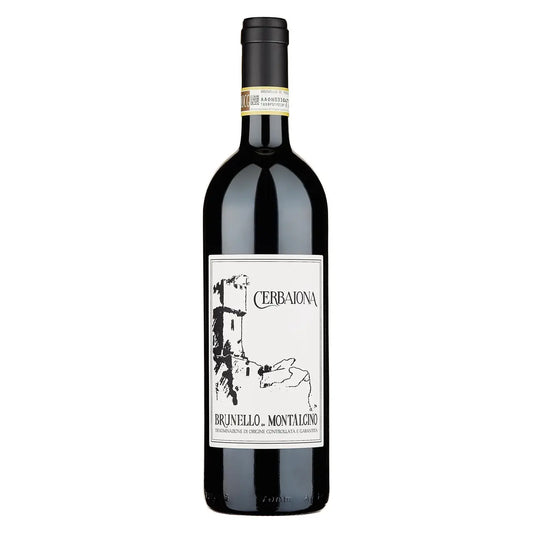
Cerbaiona Brunello di Montalcino DOCG 2017
Regular price €234,95 EURRegular priceUnit price per -
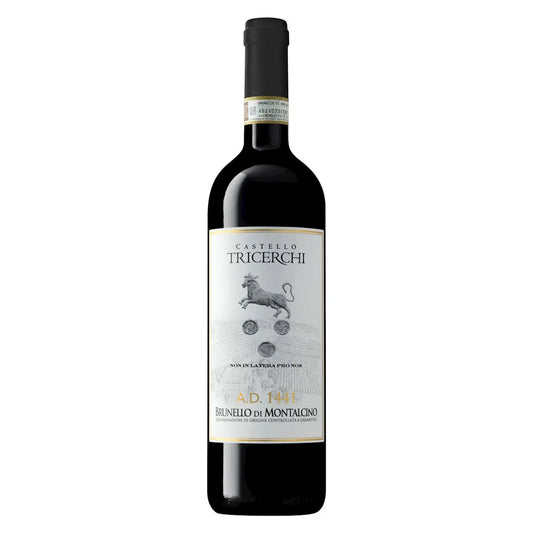
Castello Tricerchi Brunello di Montalcino A.D. 1441 DOCG 2020
Regular price €90,95 EURRegular priceUnit price per -
 96 POINTSOrganic
Italian agriculture
IT-BIO-006
Mastrojanni Vigna Schiena d'Asino Brunello di Montalcino DOCG 2020
Regular price €198,95 EURRegular priceUnit price per -
 93 POINTSOrganic
Italian agriculture
IT-BIO-006
Podere Le Ripi Cielo d'Ulisse Brunello di Montalcino DOCG 2020
Regular price €60,95 EURRegular priceUnit price per -
Castello Tricerchi Brunello di Montalcino DOCG 2020
Regular price €49,95 EURRegular priceUnit price per -
Mastrojanni Vigna Loreto Brunello di Montalcino DOCG 2020
Regular price €118,95 EURRegular priceUnit price per -
 96 POINTSOrganic
Italian agriculture
IT-BIO-006
Podere Le Ripi Amore e Magia Brunello di Montalcino DOCG 2020
Regular price €96,95 EURRegular priceUnit price per -

Mastrojanni Brunello di Montalcino DOCG 2020 1,5L
Regular price €142,95 EURRegular priceUnit price per -
 96 POINTSOrganic
Italian agriculture
IT-BIO-006
Mastrojanni Vigna Loreto Brunello di Montalcino DOCG 2020 1,5L
Regular price €255,95 EURRegular priceUnit price per -
Mastrojanni Brunello di Montalcino DOCG 2020
Regular price €64,95 EURRegular priceUnit price per -
Mastrojanni Vigna Schiena d'Asino Brunello di Montalcino DOCG 2019 1,5L
Regular price €453,95 EURRegular priceUnit price per -
Mastrojanni Vigna Schiena d'Asino Brunello di Montalcino DOCG 2019
Regular price €186,95 EURRegular priceUnit price per -
Castello Tricerchi Brunello di Montalcino A.D. 1441 DOCG 2019 1,5L
Regular price €197,95 EURRegular priceUnit price per -
Castello Tricerchi Brunello di Montalcino A.D. 1441 DOCG 2019
Regular price €91,95 EURRegular priceUnit price per -
Castello Tricerchi Brunello di Montalcino DOCG 2019 1,5L
Regular price €127,95 EURRegular priceUnit price per -
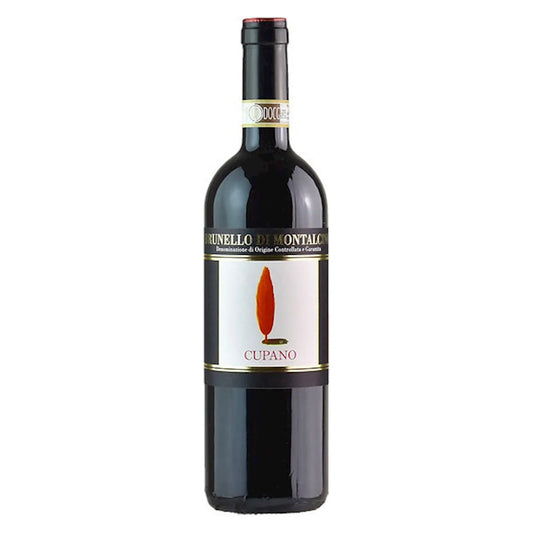
Cupano Brunello di Montalcino DOCG 2019
Regular price €124,95 EURRegular priceUnit price per -
Casanova di Neri Brunello di Montalcino Cerretalto DOCG 2018 1.5L
Regular price €1.009,95 EURRegular priceUnit price per -
Casanova di Neri Brunello di Montalcino Cerretalto DOCG 2018
Regular price €487,95 EURRegular priceUnit price per -
 99 POINTSOrganic
Italian agriculture
IT-BIO-006
Podere Le Ripi Lupi e Sirene Brunello di Montalcino Riserva DOCG 2018
Regular price €111,95 EURRegular priceUnit price per -
 96 POINTSOrganic
Italian agriculture
IT-BIO-006
Podere Le Ripi Amore e Magia Brunello di Montalcino DOCG 2019
Regular price €96,95 EURRegular priceUnit price per -
 98 POINTSOrganic
Italian agriculture
IT-BIO-006
Podere Le Ripi Cielo d'Ulisse Brunello di Montalcino DOCG 2019
Regular price €60,95 EURRegular priceUnit price per -
Mastrojanni Vigna Loreto Brunello di Montalcino DOCG 2019
Regular price €119,95 EURRegular priceUnit price per -
Mastrojanni Brunello di Montalcino DOCG 2019
Regular price €64,95 EURRegular priceUnit price per






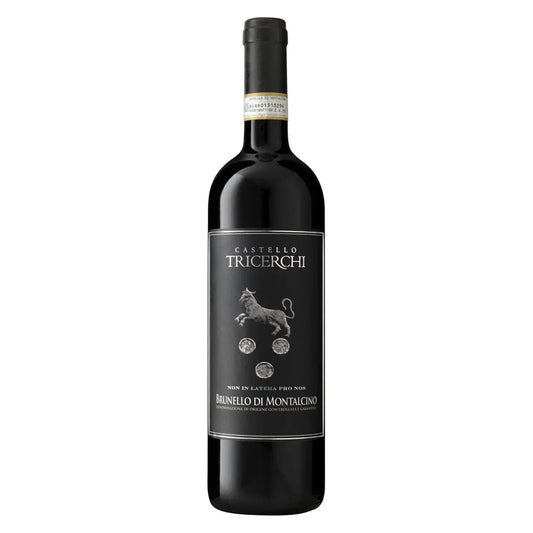
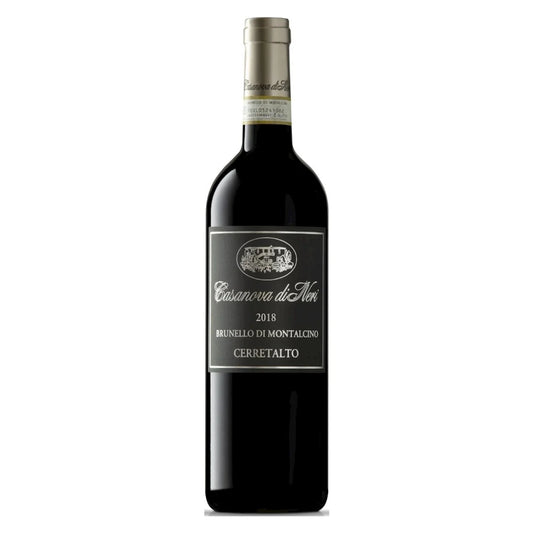


Brunello di Montalcino is a red wine from the municipality of Montalcino in the province of Siena in Tuscany, made exclusively from Sangiovese. The wine must age for several years before it can be sold, and the consortium behind the appellation describes it as a wine that withstands long cellaring and develops over time. Here you will find classic Brunello, wines from named vineyards and Riserva, often in several vintages side by side and several of them also in magnum.
Is Brunello a grape?
Not as a distinct variety. Brunello is the name traditionally used in Montalcino for Sangiovese, and the production rules require that Brunello di Montalcino be made from Sangiovese alone. It is therefore the same grape as in Chianti Classico, although there Sangiovese only has to make up at least 80 percent. The name on the label thus tells you about both the place and the grape.
What is the difference between Brunello and Barolo?
Both are classic Italian red wines with long ageing requirements, but they come from different regions and different grapes. Barolo is made from Nebbiolo in Langhe in Piemonte, while Brunello is Sangiovese from Tuscany. Barolo must age at least 38 months, including 18 in wood, and may be sold from 1 January in the fourth year after the harvest. Brunello must have at least two years in oak and four months in bottle and may only be sold from 1 January in the fifth year after the harvest. Both grapes produce wines with distinct acidity and tannin, but vineyard, vintage and the winemaker's choices matter more for the individual bottle than the name alone.
What is Rosso di Montalcino?
Rosso di Montalcino is Montalcino's younger red wine. It comes from the same municipality, is also made only from Sangiovese and may be sold from 1 September the year after the harvest. Producers may make both wines from the same vineyards, and the consortium describes Rosso di Montalcino as fresh and fruity and as a wine best drunk young. In our selection a Rosso di Montalcino typically costs around half of the same producer's Brunello, so it is a good way to get to know a producer.
Which Brunello vintages are best?
The vintage matters a great deal in Montalcino. For many years the consortium has rated each vintage on a scale from one to five stars. 2010, 2012, 2015, 2016, 2019 and 2020 received five stars, while 2013, 2017 and 2018 received four. The rating applies to the year across the whole area, not the individual bottle. The most direct way to taste the difference is to compare two or three vintages of the same wine, and many of our wines are available in several vintages.
What do Riserva and Vigna mean on the label?
Brunello di Montalcino Riserva may only be sold a year later than the ordinary Brunello, from 1 January in the sixth year after the harvest, and must have at least six months in bottle. If the label reads Vigna followed by a name, the grapes come from a specific vineyard registered for the purpose. The wine must be made and aged separately, and the rules permit a lower yield than for ordinary Brunello, at most seven tonnes of grapes per hectare against eight.
How much does Brunello cost?
The price depends above all on producer, vineyard and vintage. In our selection the classic Brunello sits at the lower end, while wines from named vineyards and Riserva typically cost more, and a magnum costs roughly twice as much as an ordinary bottle. If you want Montalcino's style at a lower price, Rosso di Montalcino is the obvious choice. You can also compare with other wines made from Sangiovese and the rest of our wines from Tuscany.