
-
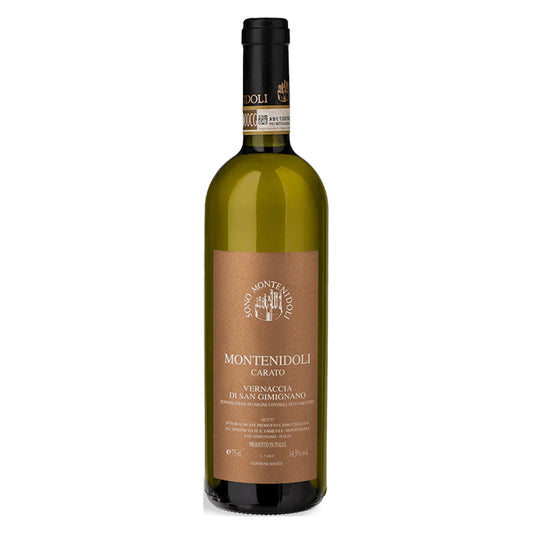 93 POINTSOrganic
 Italian agriculture
IT-BIO-006
Italian agriculture
IT-BIO-006
Montenidoli Carato Vernaccia di San Gimignano DOCG 2021
Regular price €47,95 EURRegular priceUnit price per -
 Organic
Italian agriculture
IT-BIO-006
Organic
Italian agriculture
IT-BIO-006
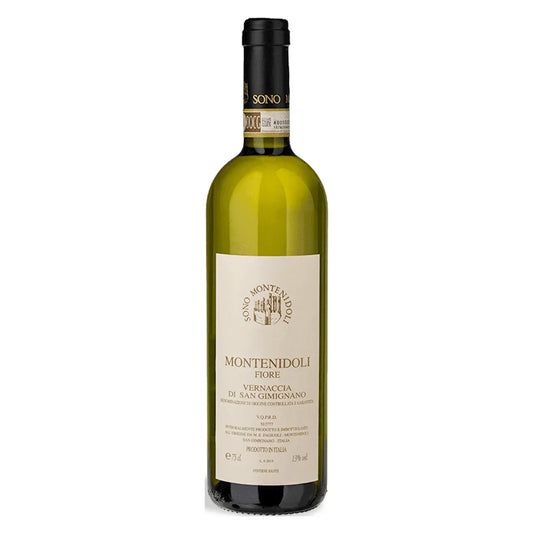
Montenidoli Fiore Vernaccia di San Gimignano DOCG 2023
Regular price €32,95 EURRegular priceUnit price per -
 Organic
Italian agriculture
IT-BIO-006
Organic
Italian agriculture
IT-BIO-006
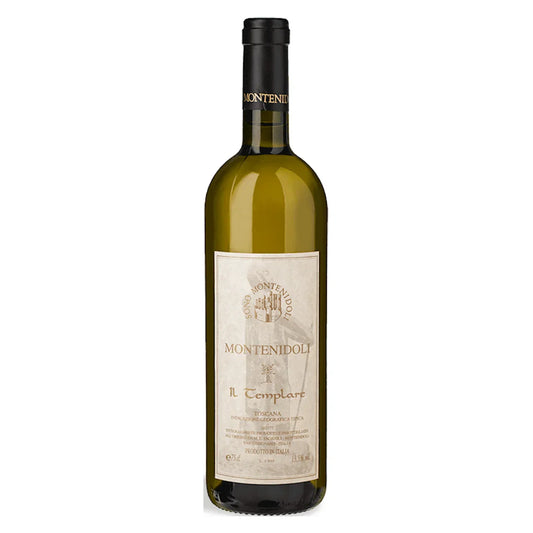
Montenidoli Il Templare Toscana IGT Bianco 2021
Regular price €36,95 EURRegular priceUnit price per -
 Organic
Italian agriculture
IT-BIO-006
Organic
Italian agriculture
IT-BIO-006
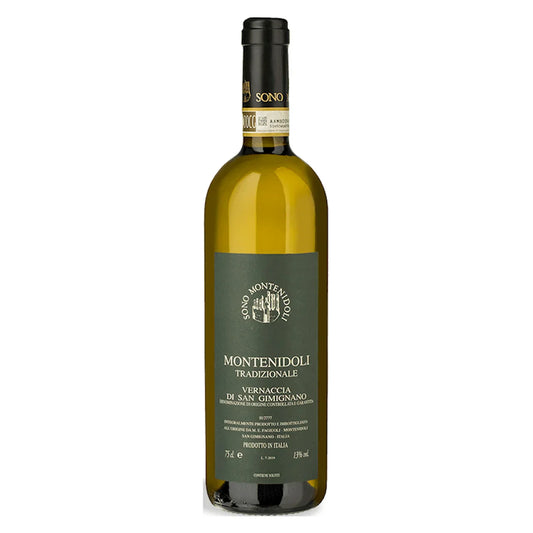
Montenidoli Tradizionale Vernaccia di San Gimignano DOCG 2023
Regular price €25,95 EURRegular priceUnit price per
Bianchetta Trevigiana is a white grape variety with roots in Veneto in north-eastern Italy. Its homeland is first and foremost the Prosecco zone around Conegliano, Valdobbiadene and Asolo, as well as the neighbouring municipalities of Maser, Cornuda, Castelcucco and Monfumo. Some distance from the core area you find a few plantings in Trentino and in cooler wine regions of North America, but it is and remains a distinctly Venetian grape.
Bianchetta Trevigiana is grown almost exclusively for blends, and its most important role is to add acidity and structure. It most often appears alongside Glera in Prosecco, but is also permitted in a number of appellations such as Colli di Conegliano DOC, Montello DOC, Colli Asolani DOC, Garda DOC, Lugana DOC and Valdadige DOC. In Torchiato di Fregona DOC it may be included at up to 10 percent, and in Trentino it reappears in Vigneti delle Dolomiti Bianco DOC.
The grape ripens late, from the end of September to the first ten days of October. It forms medium-sized to large, pyramid-shaped clusters with pronounced wings, and even though the berries have very thick skins, the tightly packed clusters make the variety vulnerable to botrytis. The variety has a long history in Veneto. There is documented cultivation from 1679 onwards, in 1874 it was widespread across thirty-nine municipalities in Veneto, and it was first described ampelographically in 1901. DNA analyses suggest that it descends from a natural cross between Brambana and Durella, although that finding is still debated. An interesting detail is that wines from this grape can have a high content of flavanols (polyphenols) on a par with certain red wines. There are as yet no official clones.
At Copenhagen Wine we carry wines from this variety from Italy, and you will typically meet it as part of a blend rather than on its own. If you want to explore more Italian white wines, you can dive into our selection from Italien, and if you are fond of fresh, acidity-driven whites, Trebbiano is an obvious next step.