
-
 94 POINTSOrganic
 Italian agriculture
IT-BIO-015
SALE - SAVE 31%
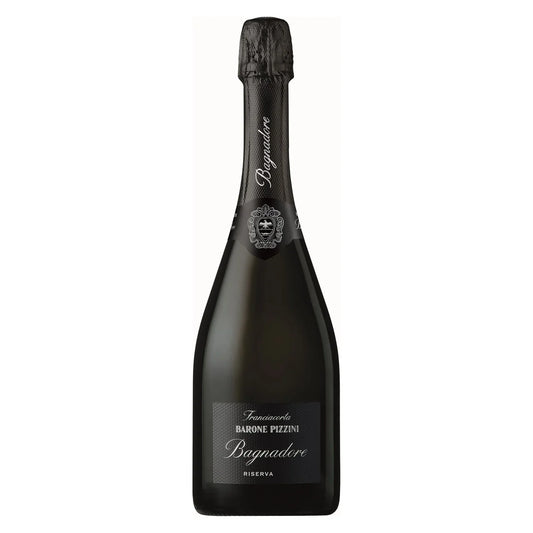
Barone Pizzini Bagnadore Franciacorta Riserva 2015
Regular price €40,95 EURRegular priceUnit price per€59,95 EURSale price €40,95 EURSale -
 95 POINTSOrganic
Italian agriculture
IT-BIO-015
SALE - SAVE 33%
Barone Pizzini Franciacorta Animante DOCG
Regular price €23,95 EURRegular priceUnit price per€35,95 EURSale price €23,95 EURSale -
 92 POINTSOrganic
Italian agriculture
IT-BIO-015
SALE - SAVE 39%
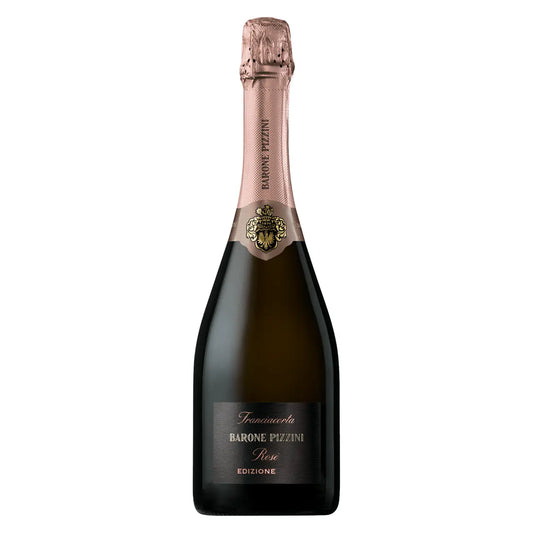
Barone Pizzini Rosé Franciacorta DOCG 2017
Regular price €25,95 EURRegular priceUnit price per€42,95 EURSale price €25,95 EURSale -
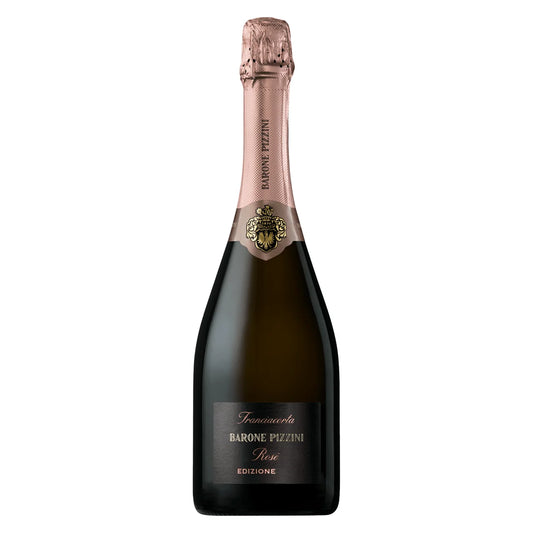
Barone Pizzini Rosé Franciacorta DOCG 2018
Regular price €34,95 EURRegular priceUnit price per€42,95 EURSale price €34,95 EURSale -
 SALE - SAVE 32%
Carlo Giacosa Pinot Nero DOC 2022
Regular price €22,95 EURRegular priceUnit price per€33,95 EURSale price €22,95 EURSale -
 SALE - SAVE 30%
Domaine Alexandre Bonnet Champagne 7 Cépages 2019
Regular price €76,95 EURRegular priceUnit price per€109,95 EURSale price €76,95 EURSale -
 SALE - SAVE 35%
Domaine Alexandre Bonnet Champagne Rosé de Saignée 2018
Regular price €60,95 EURRegular priceUnit price per€94,95 EURSale price €60,95 EURSale -
 SALE - SAVE 29%
Domaine Alexandre Bonnet La Forêt Rosé des Riceys 2020
Regular price €37,95 EURRegular priceUnit price per€53,95 EURSale price €37,95 EURSale -
 Organic
French agriculture
FR-BIO-01
SALE - SAVE 20%
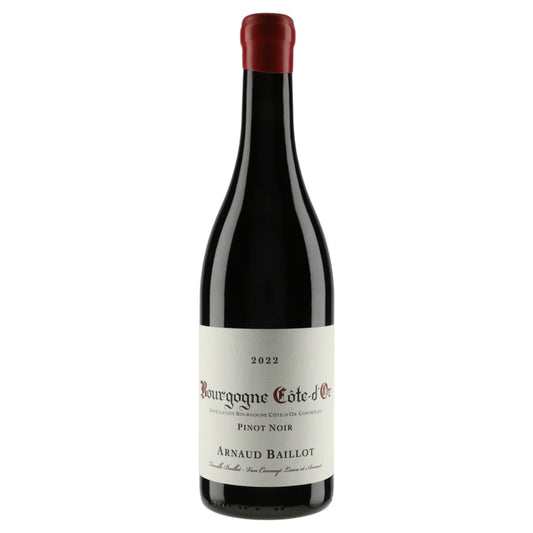
Domaine Arnaud Baillot Bourgogne Côte d'Or Rouge 2023
Regular price €26,95 EURRegular priceUnit price per€33,95 EURSale price €26,95 EURSale -
 Organic
French agriculture
FR-BIO-01
SALE - SAVE 20%
Domaine Arnaud Baillot Bourgogne Côte d'Or Rouge 2024
Regular price €26,95 EURRegular priceUnit price per€33,95 EURSale price €26,95 EURSale -
 Organic
French agriculture
FR-BIO-01
SALE - SAVE 20%
Domaine Arnaud Baillot Bourgogne Côte d'Or Rouge 2024 1,5L
Regular price €51,95 EURRegular priceUnit price per€64,95 EURSale price €51,95 EURSale -
 Organic
French agriculture
FR-BIO-01
SALE - SAVE 18%
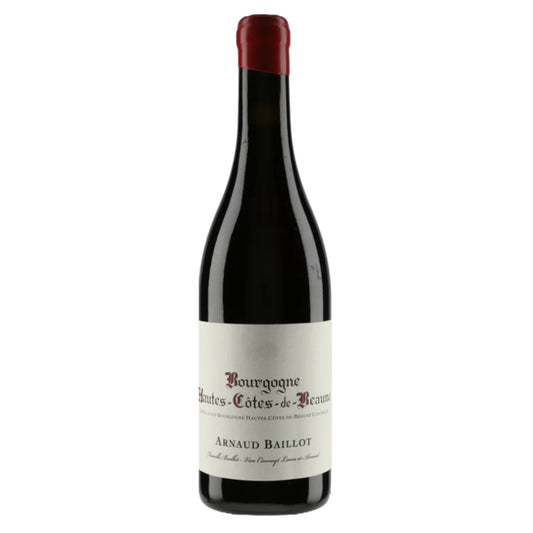
Domaine Arnaud Baillot Bourgogne Hautes Cotes de Beaune Rouge 2023
Regular price €25,95 EURRegular priceUnit price per€31,95 EURSale price €25,95 EURSale -
 Organic
French agriculture
FR-BIO-01
SALE - SAVE 20%
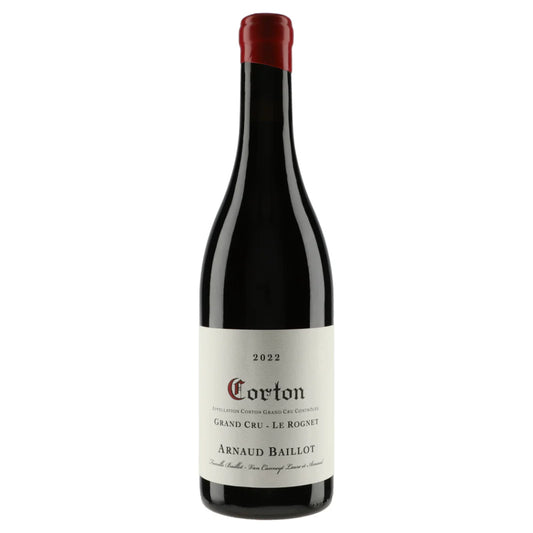
Domaine Arnaud Baillot Corton “Le Rognet” Grand Cru Le Rognet 2023
Regular price €182,95 EURRegular priceUnit price per€228,95 EURSale price €182,95 EURSale -

Domaine Arnaud Baillot Echezeaux 2024
Regular price €354,95 EURRegular priceUnit price per€453,95 EURSale price €354,95 EURSale -
 Organic
French agriculture
FR-BIO-01
SALE - SAVE 17%
Domaine Arnaud Baillot Gevrey-Chambertin Le Creot 2024
Regular price €68,95 EURRegular priceUnit price per€83,95 EURSale price €68,95 EURSale -
 96 POINTSOrganic
French agriculture
FR-BIO-01
SALE - SAVE 21%
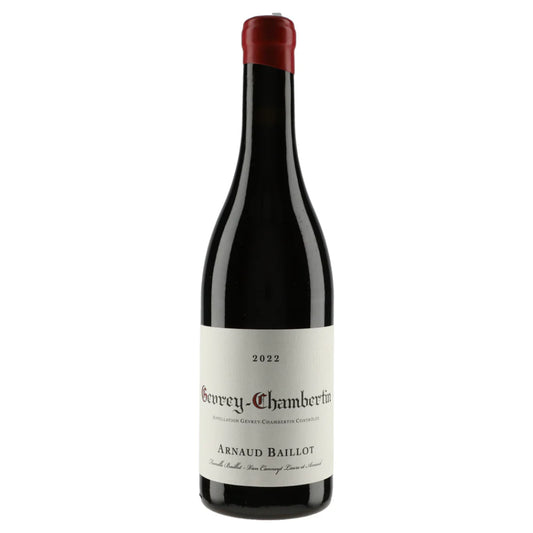
Domaine Arnaud Baillot Gevrey-Chambertin Village 2023
Regular price €64,95 EURRegular priceUnit price per€82,95 EURSale price €64,95 EURSale -
Organic
French agriculture
FR-BIO-01
SALE - SAVE 21%
Domaine Arnaud Baillot Morey-St-Denis 1er Cru Monts Luisants 2023
Regular price €136,95 EURRegular priceUnit price per€173,95 EURSale price €136,95 EURSale -
 Organic
French agriculture
FR-BIO-01
SALE - SAVE 19%
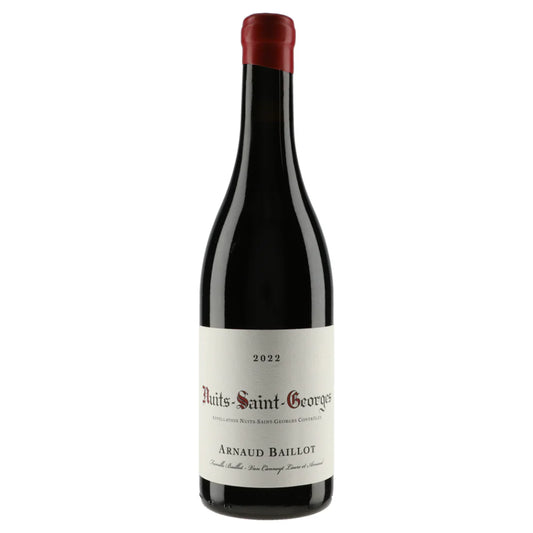
Domaine Arnaud Baillot Nuits-Saint-Georges “Les Grandes Vignes” 2023
Regular price €57,95 EURRegular priceUnit price per€71,95 EURSale price €57,95 EURSale -
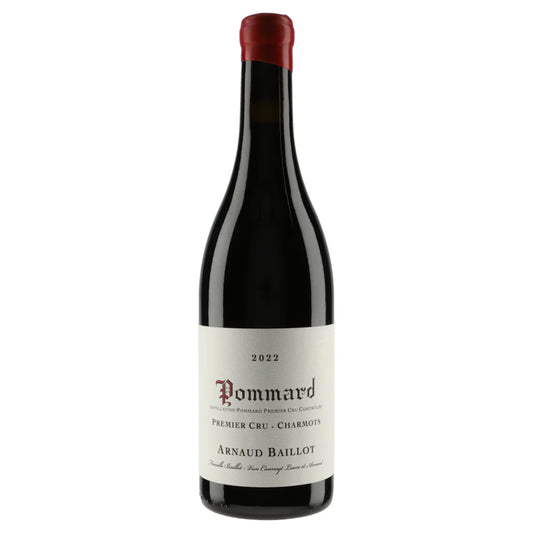 92 POINTSOrganic
French agriculture
FR-BIO-01
SALE - SAVE 20%
Domaine Arnaud Baillot Pommard 1er Cru “Charmots” 2023
Regular price €75,95 EURRegular priceUnit price per€94,95 EURSale price €75,95 EURSale -

Domaine Arnaud Baillot Pommard 2023
Regular price €53,95 EURRegular priceUnit price per€68,95 EURSale price €53,95 EURSale -
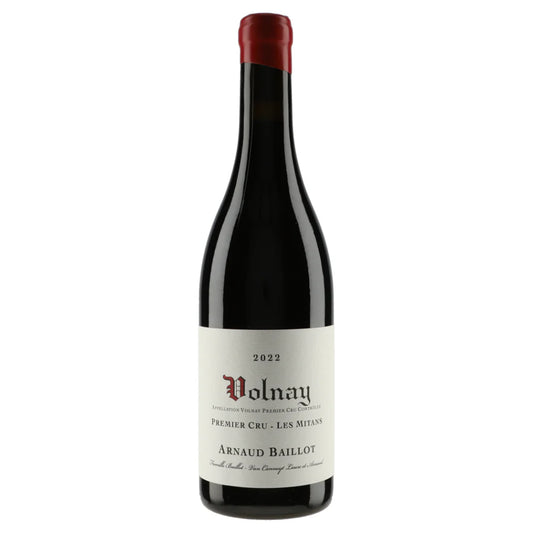 94 POINTSOrganic
French agriculture
FR-BIO-01
SALE - SAVE 19%
Domaine Arnaud Baillot Volnay 1er Cru “Mitans” 2023
Regular price €84,95 EURRegular priceUnit price per€105,95 EURSale price €84,95 EURSale -
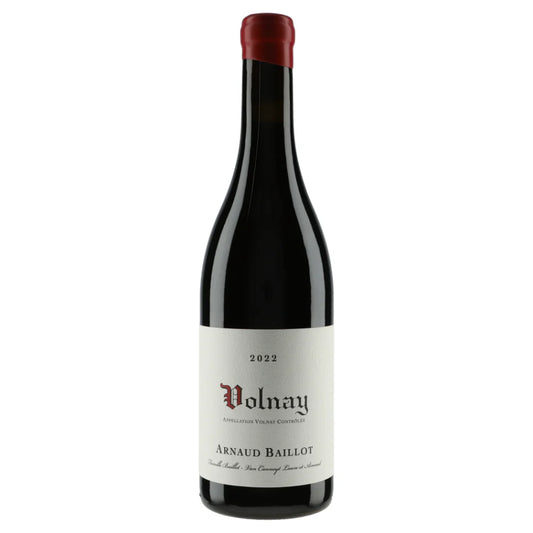 94 POINTSOrganic
French agriculture
FR-BIO-01
SALE - SAVE 20%
Domaine Arnaud Baillot Volnay Village 2023
Regular price €55,95 EURRegular priceUnit price per€69,95 EURSale price €55,95 EURSale -
 Organic
French agriculture
FR-BIO-01
SALE - SAVE 19%
Domaine Arnaud Baillot Vosne-Romanée La Croix Blanche 2024
Regular price €84,95 EURRegular priceUnit price per€105,95 EURSale price €84,95 EURSale -
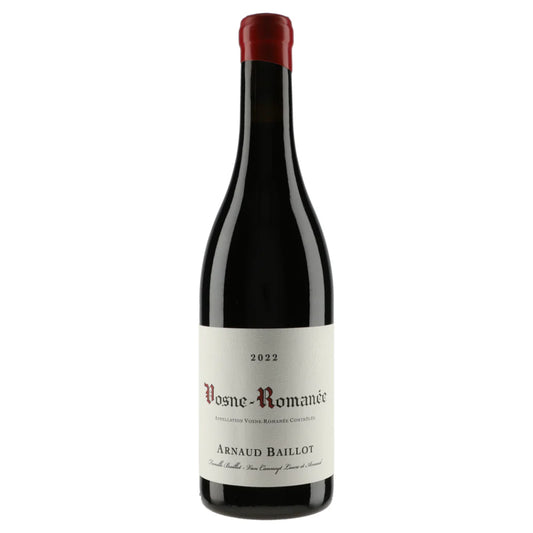 Organic
French agriculture
FR-BIO-01
SALE - SAVE 19%
Domaine Arnaud Baillot Vosne-Romanée Village 2023
Regular price €84,95 EURRegular priceUnit price per€105,95 EURSale price €84,95 EURSale -
 Organic
French agriculture
FR-BIO-10
SALE - SAVE 19%
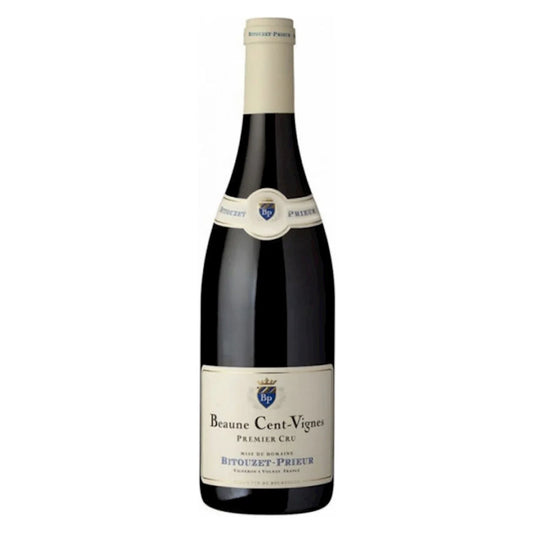
Domaine Bitouzet-Prieur Beaune Cent-Vignes 1er Cru 2021
Regular price €61,95 EURRegular priceUnit price per€76,95 EURSale price €61,95 EURSale -
 93 POINTSOrganic
French agriculture
FR-BIO-10
SALE - SAVE 31%
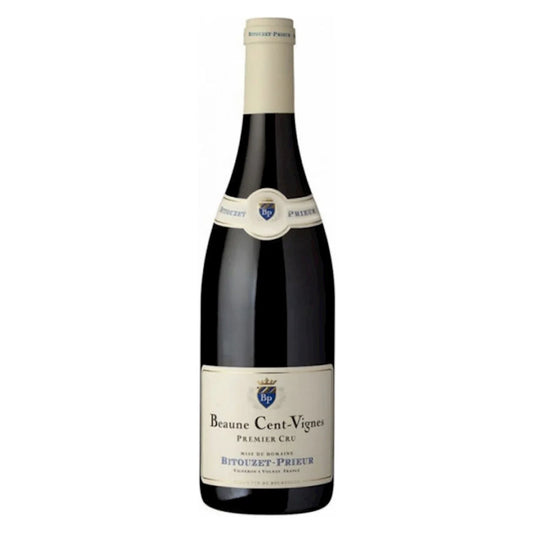
Domaine Bitouzet-Prieur Beaune Cent-Vignes 1er Cru 2022
Regular price €51,95 EURRegular priceUnit price per€75,95 EURSale price €51,95 EURSale -
 Organic
French agriculture
FR-BIO-10
SALE - SAVE 23%
Domaine Bitouzet-Prieur Bourgogne Pinot Noir 2024
Regular price €25,95 EURRegular priceUnit price per€33,95 EURSale price €25,95 EURSale -
 93 POINTSOrganic
French agriculture
FR-BIO-10
SALE - SAVE 25%
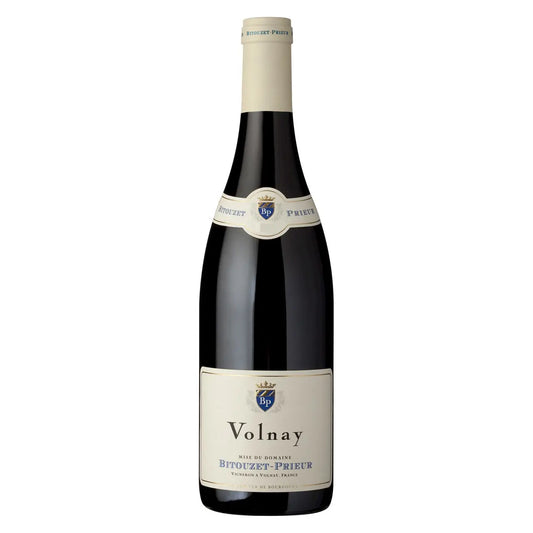
Domaine Bitouzet-Prieur Volnay 2020 1.5L
Regular price €101,95 EURRegular priceUnit price per€135,95 EURSale price €101,95 EURSale -
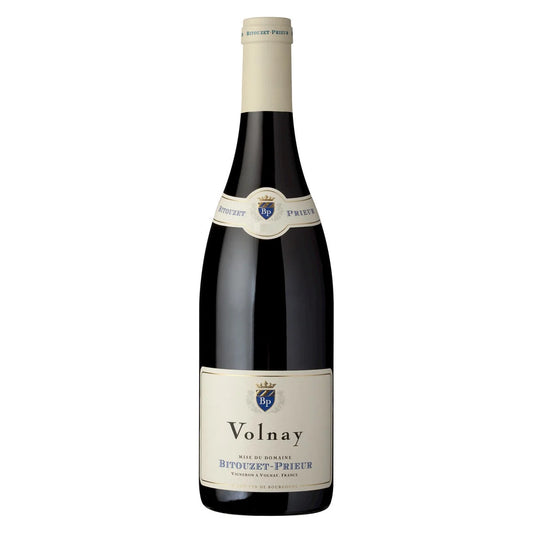
Domaine Bitouzet-Prieur Volnay 2022
Regular price €44,95 EURRegular priceUnit price per€63,95 EURSale price €44,95 EURSale -
 Organic
French agriculture
FR-BIO-10
SALE - SAVE 29%
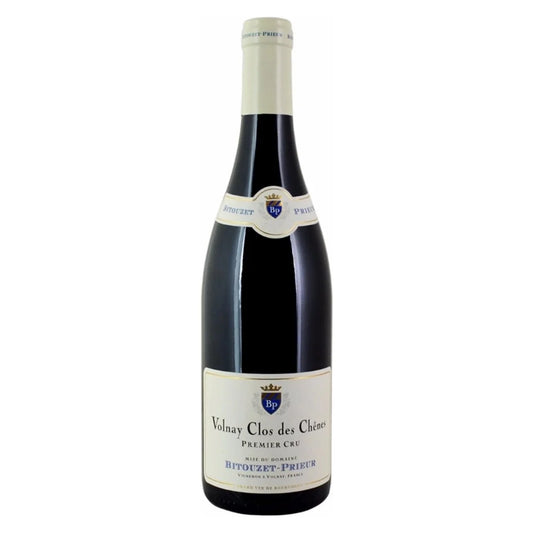
Domaine Bitouzet-Prieur Volnay Clos des Chênes 1er Cru 2021
Regular price €81,95 EURRegular priceUnit price per€115,95 EURSale price €81,95 EURSale -
 95 POINTSOrganic
French agriculture
FR-BIO-10
SALE - SAVE 32%
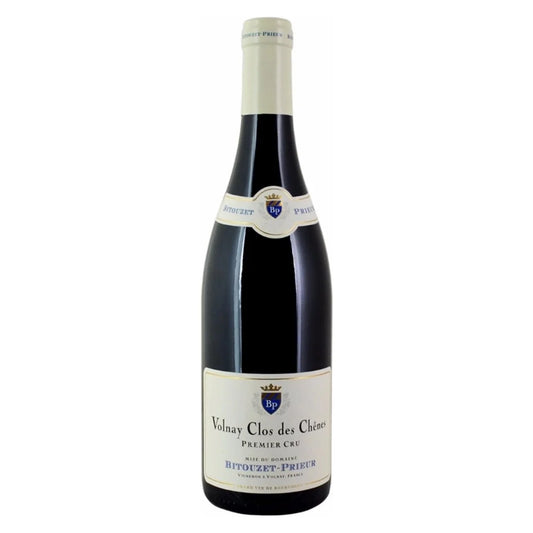
Domaine Bitouzet-Prieur Volnay Clos des Chênes 1er Cru 2022
Regular price €78,95 EURRegular priceUnit price per€116,95 EURSale price €78,95 EURSale -
 93 POINTSOrganic
French agriculture
FR-BIO-10
SALE - SAVE 39%
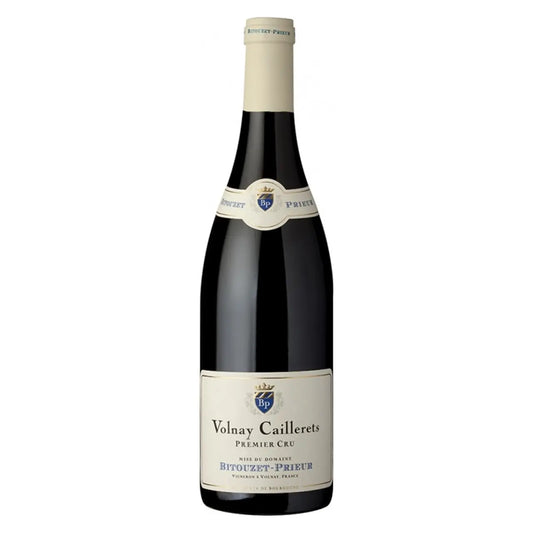
Domaine Bitouzet-Prieur Volnay Les Caillerets 1er Cru 2020
Regular price €79,95 EURRegular priceUnit price per€131,95 EURSale price €79,95 EURSale -
 Organic
French agriculture
FR-BIO-10
SALE - SAVE 22%
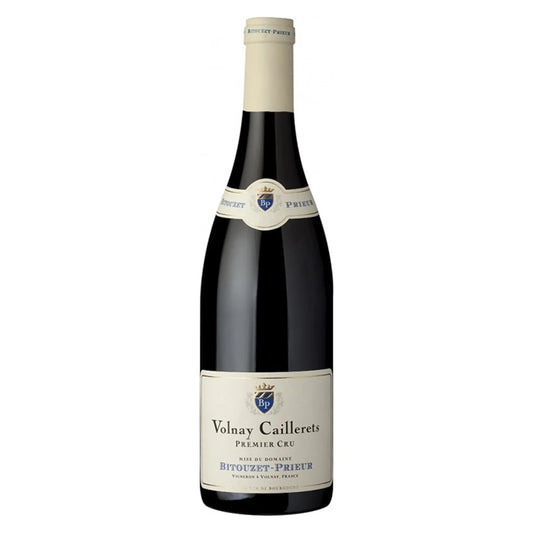
Domaine Bitouzet-Prieur Volnay Les Caillerets 1er Cru 2021
Regular price €112,95 EURRegular priceUnit price per€144,95 EURSale price €112,95 EURSale -
 93 POINTSOrganic
French agriculture
FR-BIO-10
SALE - SAVE 32%
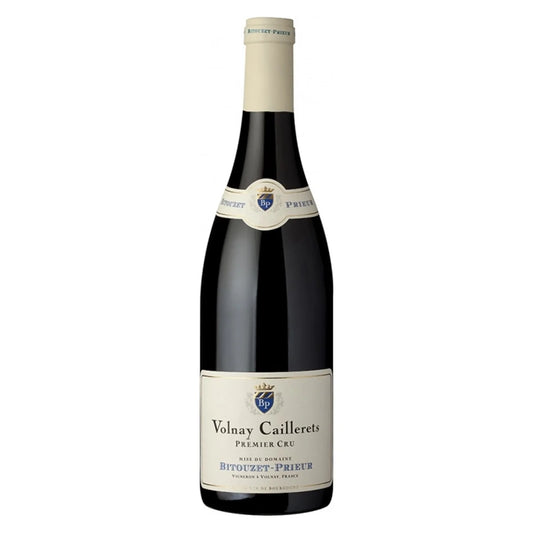
Domaine Bitouzet-Prieur Volnay Les Caillerets 1er Cru 2022
Regular price €109,95 EURRegular priceUnit price per€163,95 EURSale price €109,95 EURSale -
 Organic
French agriculture
FR-BIO-10
SALE - SAVE 17%
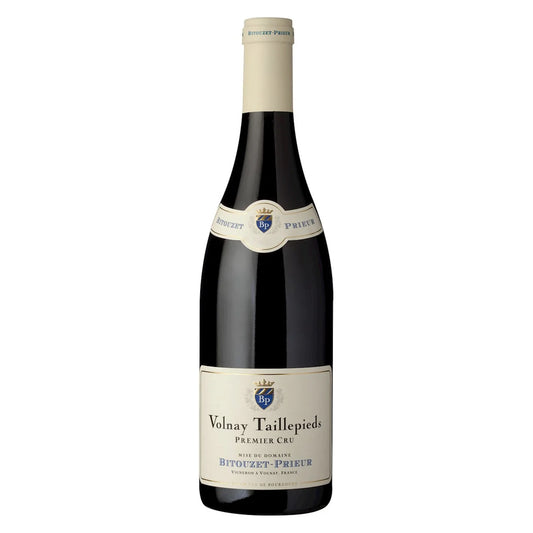
Domaine Bitouzet-Prieur Volnay Les Taillepieds 1er Cru 2021
Regular price €92,95 EURRegular priceUnit price per€112,95 EURSale price €92,95 EURSale -
 93 POINTSOrganic
French agriculture
FR-BIO-10
SALE - SAVE 26%
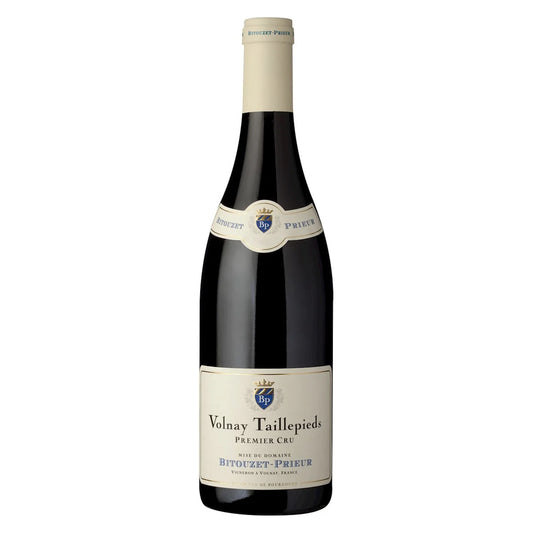
Domaine Bitouzet-Prieur Volnay Les Taillepieds 1er Cru 2022
Regular price €85,95 EURRegular priceUnit price per€116,95 EURSale price €85,95 EURSale


Pinot Noir is the grape behind the red wines of Bourgogne and one of the main grapes in Champagne. It often produces pale red wines with red fruit and fresh acidity, while body and tannin vary with site and vinification. The majority of our selection comes from Bourgogne, but you will also find Pinot Noir from Germany and Italy, as well as sparkling wines in which the grape plays a part.
Where does the best Pinot Noir come from?
It is a matter of taste, but Bourgogne is the grape's homeland. According to the trade body BIVB, Pinot Noir originates in Bourgogne, where it was first mentioned in writing in 1375, and with Corton as the only exception, all of the region's red Grand Cru vineyards lie in Côte de Nuits. In our selection you can follow the grape from regional wines through villages in Côte de Beaune such as Volnay, Pommard and Santenay, and in Côte de Nuits such as Gevrey-Chambertin, Vosne-Romanée and Nuits-Saint-Georges, up to Premier Cru and Grand Cru such as Clos de Vougeot and Échezeaux. Because red Bourgogne is traditionally made from Pinot Noir alone, the grape's name rarely appears on the label. Here it is the place that is stated. Outside Bourgogne we carry Pinot Noir from Baden in Germany and from Valle d'Aosta and Piemonte in Italy. See the full selection of wines from Bourgogne.
What grape is Spätburgunder?
Spätburgunder is the German name for Pinot Noir, and in Italy the grape is called Pinot Nero. According to Deutsches Weininstitut, it is Germany's most important red grape, with around 11,500 hectares, roughly 11 percent of the country's vineyards. The largest area lies in Baden, especially around Kaiserstuhl, and this is also where most of our German Pinot Noir comes from. The institute distinguishes between two styles: the classic one, which is pale in colour, mild and low in tannin, and a more modern type with deeper colour, more tannin and often a short time in small oak barrels.
How does Pinot Noir taste?
Pinot Noir typically smells of red fruit, from strawberry and cherry to blackberry and blackcurrant, and barrel-aged wines can take on notes of vanilla and cinnamon. BIVB describes the grape as one that captures even small differences in soil and location. It has small, tight clusters with thin, delicate skins, is demanding to grow and needs a northern climate to show its full complexity. Deutsches Weininstitut recommends serving red Pinot Noir at 16 to 18 degrees.
What does Pinot Noir pair with?
According to Deutsches Weininstitut, red Pinot Noir suits the cooler months of the year, and the fuller wines with roasts, game or a cheese board. BIVB suggests the red wines from Côte de Nuits with beef in all its forms, from steak to braised meat and dishes with sauce, and more surprisingly also with sweet-and-sour food such as duck with orange. As a rule of thumb, a lighter wine can accompany light dishes, while a wine with more structure can handle a fuller dish.
Why is there sparkling wine in the selection?
Pinot Noir is one of the three main grapes in Champagne, alongside Chardonnay and Meunier, and in Franciacorta it may be included under the name Pinot Nero. That is why our Pinot Noir selection also includes sparkling wine, typically blends with Chardonnay. If you are looking for red wine, check the wine type in the description. If you want to know more about the grape, you can read our guide to Pinot Noir.